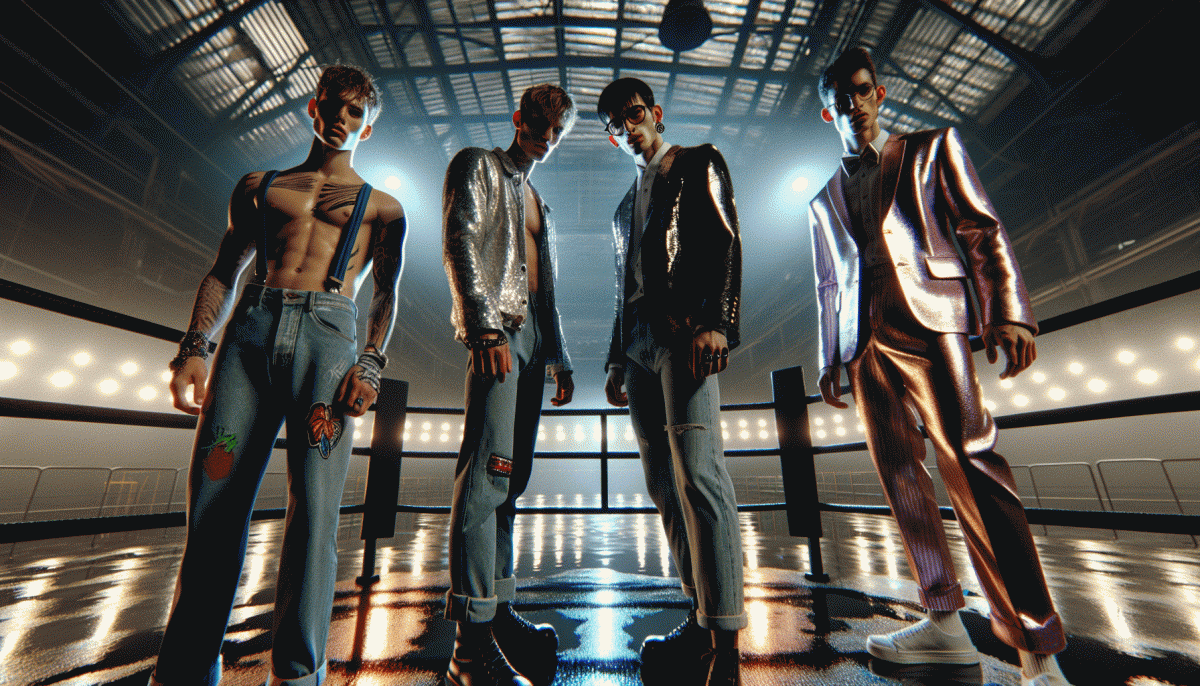
Raw vs. Flashy vs. Weird: The Creative Cage Match Marketers Can't Ignore
Raw: Scrappy honesty that builds trust (and carts)
When you trade slick polish for plain speech, customers relax. A shaky phone clip of a real person using a product, a candid caption that admits one small flaw, or a screenshot of an honest DM can do more to move browsers into carts than an overproduced ad. Raw content signals that a human is behind the brand, and humans buy from humans.
Make raw work by treating honesty like a feature. Lead with a tiny confession, show a quick before and after, and finish with a simple next step. Keep the language tactile and specific: name the material, the smell, the problem it solves. Swap corporate adjectives for real details and a clear call to action that tells people what to do and why now.
- Trust: Post user video clips or unfiltered reviews to make claims believable.
- Speed: Turn around one short, unpolished clip per product per week to test what resonates.
- Proof: Use microproofs like order numbers, timestamps, or a candid customer quote to close doubt.
Want a low-effort experiment? Pick a single product, film one 20-second usage demo in natural light, caption it with one honest line and a clear CTA, and measure add-to-cart and conversion lift for seven days. Iterate on what feels human, not what looks perfect. The point is simple: scrappy honesty builds trust, and trust fills carts.
Flashy: Shiny visuals that stop the scroll and sell
Flashy creative is not window dressing; it is the front line of conversion. A bright, bold visual arrests the thumb, fires a curiosity spark, and creates a tiny decision moment: keep scrolling or lean in. Use that pause. Treat the first frame like a one-second elevator pitch: high contrast, a clear focal point, and a hint of human expression.
Practical moves beat vague aesthetics. Pick a dominant color that contrasts with platform chrome, use motion sparingly to guide the eye, and employ tight typography that reads at a glance. Faces with strong eye lines, unexpected crop choices, and a single, bold value proposition will carry more weight than a hundred pretty details. Think speed: if a creative is slow to load or cluttered, the visual stops working.
Marry the shiny to the smart. Visuals should create hierarchy so viewers instinctively know what to do next—swipe, click, tap. Keep microcopy short and active, include a one-action CTA, and put social proof where the eye lands after the hero image. Run quick A/B tests on motion versus still, real photo versus stylized art, and caption lengths to find the sweet spot for your audience.
When you need to seed momentum for a video funnel or channel, a little paid visibility can amplify the effect; consider buy YouTube views as a tactical boost to your shiny creative so organic engagement has something to latch onto.
Finally, measure beyond likes. Track attention time, microconversions, and dropoff after the visual cue. Iterate fast: keep the flash, but let data prune the noise until every sparkle sells.
Weird: Offbeat ideas that spark memory, shares, and DMs
Weird ideas do the heavy lifting that polished ads never can: they create distinctive hooks that people remember and feel comfortable passing along. The trick is not chaos for chaos sake but a deliberate tilt toward the unexpected. When a creative choice is slightly offbeat — a strange prop, an odd punchline, a mismatched soundtrack — it becomes a cue that sparks a memory, a DM, or a tag. That small cognitive mismatch gives the audience a reason to react instead of scroll.
Run micro experiments that prioritize share triggers and conversation metrics over pure reach. Test three tiny oddities per creative batch: swap one prop, change one line of copy to a weird image, or flip the edit speed. Measure saves, forwards, replies, and DMs alongside click data. If a micro experiment lifts conversational engagement, scale that idea across formats and channels. Keep budgets small, learn fast, then amplify the one weirdness that creates genuine social proof.
Here are practical offbeat concepts to try now:
- Flip: Take a normal product demo and flip the context into a surreal world to highlight one benefit in a memorable way.
- Character: Invent a mildly annoying but lovable mascot who interrupts product hype to pose awkward questions people want to answer in comments.
- Puzzle: Build a tiny riddle or visual puzzle that requires tagging a friend to solve, driving DMs and share loops.
Weird works when it is thoughtful, repeatable, and tied to measurement. If you want a gentle boost to jumpstart conversations, consider seeding early posts with targeted engagement so the odd idea gets seen by the right people — for example, buy Instagram comments today as a small push to make DMs and replies happen faster. Iterate, double down on what creates talk, and treat weird as a repeatable tactic, not a one off stunt.
Field test: A 15-minute A/B plan to pick a winner
Start like a scientist and a mischief-maker: pick two contenders—the honest, barely-produced 'raw' spot and one flashy or weird variant—and set up two identical 7-minute lo-fi tests. Target the exact same audience slice, identical bid strategy, and the same tiny landing snippet. The point is speed and control: run enough volume to get signals, not to win an art award.
Launch both creatives and watch minute-by-minute signals: impressions, CTR, CPC trajectory, and the single micro-conversion that feeds your funnel. If you need to accelerate reach without biasing creative quality, consider a measured exposure boost — get Twitter followers fast — only to equalize sample size, never to fake engagement.
At minute ten freeze the experiment and compute three quick metrics: attention (CTR), engagement depth (time on page, shares, comment rate), and conversion efficiency (conversions per 1,000 impressions). Use a simple decision rule: a 20 percent or greater advantage on your primary metric is a clear winner; 5 to 20 percent is a tie that justifies a rapid A/B2 remix.
Log everything in one sentence per creative: hypothesis, dominant creative device, and the tweak you will try next. That tiny log becomes your iteration engine and prevents voice hopping. Repeat the 15-minute loop until patterns emerge, then scale the winning voice. Small, fast, repeatable tests are how raw authenticity, glossy flash, and weird charm earn their rightful place in a campaign.
Channel fit: When each style wins on Instagram, email, and your site
Think of Instagram as the ring where flash and freak show collide. For feed and Reels, favor bold visuals, rapid cuts, and a single goofy idea executed with polish. Lean flashy for product reveals and weird for attention-grabbing drops; when you want trust, use raw in Stories and captions to show process and people.
Email is the place to get human. Plain headers, candid photos, and short first lines beat glossy banners in most inboxes. Use segmentation to send raw narratives to engaged fans, and reserve flashy creative for timed launches that benefit from clean CTAs and one clear offer per message.
Your site needs choreography: a flashy hero to sell, raw social proof to reassure, and weird microinteractions to create memorability. Put raw testimonials on product pages, flashy visuals on landing pages, and weird easter eggs in microcopy to reward curious visitors. Always A/B test hero variants and measure time to purchase.
When you need an immediate nudge to prove a concept or kickstart social validation, use measured social proof buys alongside organic work — and treat them as an experiment. For a fast test of momentum try get TT likes today, then watch which channel amplifies the most conversions.
Read also
Raw vs Flashy vs Weird: The Creative Cage Match No One Saw Coming

Raw, Flashy, or Weird? The One Style That Crushes Conversions Might Surprise You

Raw vs. Flashy vs. Weird: The Showdown Your Brand Didn’t Know It Needed

Raw vs. Flashy vs. Weird: We Ran the Showdown—Guess Which Style Actually Wins?

Organic vs. Paid vs. Boosted: The Follower Growth Smackdown You Can't Ignore
