Daily Marketing News, October 18, 2026: shoppers don't trust AI ads

Shoppers in the US can barely tell when an ad uses AI, but 44% of them are already moving to brands that don't use it. Kuaishou released Kling 4.0 with 30-second clips in 1 pass, and 70% of HubSpot customers plan to spend more on AI next year.
Story of the day: shoppers punish brands for AI ads, even though they can hardly spot them
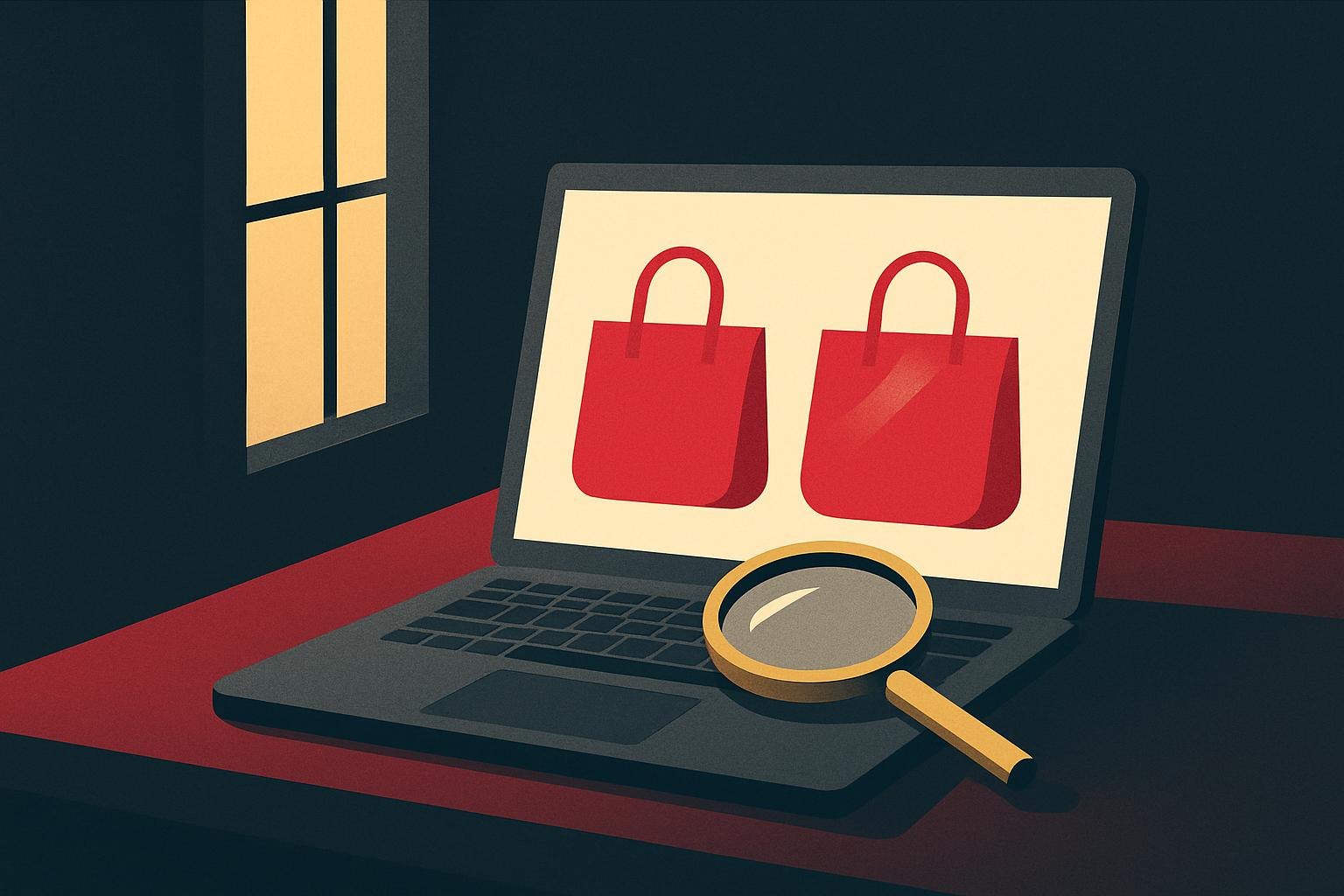
On October 16, 2026, Auros published a survey of American shoppers about advertising made with AI, and on October 17 it was covered by The Agile Brand Guide, a daily roundup of marketing technology news. 43% of respondents have felt misled at least once by a product from that kind of ad. 53% don't believe products in AI creatives are described accurately. 44% deliberately buy from brands that don't use AI in their advertising.
Now the other half of the survey, and it's funnier than the first. Respondents were shown real products enhanced by AI, and only 20% identified them correctly. That means 80% couldn't tell. The publication's own conclusion: shoppers can't reliably notice AI in advertising, but they punish a brand when they think they have. They don't see it. But they're sure. That's worse than if they could see it, because the suspicion lands on honest creatives too.
Why this matters to everyone doing promotion, not just American brands. Generating creatives has become cheap, and the temptation to put together a product card or an ad video in one evening is understandable. But if the product in the picture is smoother, brighter and bigger than the one in the box, the customer will feel it when the package arrives. Then they draw a conclusion not about that particular picture but about the whole brand. Almost half, 44%, draw that conclusion with their wallet.
What to do right now. Decide in advance where you openly say a creative was made with AI and where the model only removed the background. Compare every AI creative with a real photo of the product: color, size, texture. If the difference is visible to the naked eye, that creative costs more than it seems, because you'll pay for it in returns and reviews.
More news for October 18, 2026
HubSpot is an American CRM platform where marketing and sales teams manage their customer database, email campaigns and deals. Until now there was little data on how much HubSpot users invest in AI. Now Huble Digital Group, a HubSpot partner, has provided some: it surveyed 393 platform customers at the HubSpot UNBOUND 2026 conference in Boston in September, and The Agile Brand Guide published the breakdown. 70% plan to increase AI spending in the next 12 months, about 275 people: 68% in the US and 77% outside it. 34% already use at least 1 HubSpot AI agent, and 61% work with 2 or more AI tools every day. 66% use the built-in Breeze AI Assistant; among third-party tools, 64% named Claude, 63% ChatGPT and 41% Copilot. Huble's main practical takeaway: every connected tool inherits the duplicate contacts in your CRM. A single error in the database turns into the same error in 4 services.
Before this, pitches, meaning short story proposals sent to a journalist, went out by hand or through ordinary media databases, and follow-ups and coverage reports were also handled manually. MediaClaw calls itself an operating system for agentic PR: agents do research, send pitches, follow up and report on coverage. There's a review mode that flags risks under the rules of the SEC, FDA and FTC, the American regulators for finance, drugs and advertising. MediaClaw leaves the final decision to a human. Pricing runs from $1,000 to $5,000 and up per month, and access is invite only in a closed beta for now. For a small business that's expensive and out of reach, but the direction is clear: media outreach is becoming an assembly line, and journalists will get more emails written by a machine. The winner will be whoever's pitch still reads like a letter from a person.
Treasure AI provides a customer data platform for large brands: a system that pulls information about a person from the website, the store, email and ads into a single profile. Before this, a marketer had to build a multistep customer journey in such platforms, meaning the sequence of emails and touchpoints after a signup or purchase, by hand in a builder. Now Treasure AI has shown how Digital Worker builds that journey by itself and drops ready-to-send emails straight into it. The agent plugs into customer journey orchestration, the part of the system that decides who gets what and when. For anyone running email campaigns, this is a signpost: email automation is moving from templates a person fills in to agents that write both the flow and the copy. You'll still have to check the agent's work, and what you'll be checking is the copy.
Kling AI is a video generation service from the Chinese company Kuaishou, which owns the short video platform of the same name; on October 17 The Agile Brand Guide included the launch in its roundup. Before this, Kling had the 3.0 series, which got a 4K mode in April 2026. Since September 28, some users have had access to the lighter Kling 4.0 Flash with clips up to 20 seconds; the full version gives 30 seconds, 1.5 times more. The model works with Omni Reference: you can upload up to 15 reference materials and up to 10 keyframes, which it uses to keep the look of the character and the product consistent. The company promises to add 10-bit HDR in 4K and 1080p soon, an ultrawide 21:9 format, and API access for companies and developers. Kling has more than 100,000,000 users and more than 50,000 enterprise clients. For ads and Reels, 30 seconds in 1 pass means a finished clip without stitching several pieces together.
Smith.ai is an American virtual receptionist service that answers incoming calls for small businesses; the report is called the Legal Intake Report, and The Agile Brand Guide mentioned it on October 17. The headline number refers to the hybrid setup: AI handles the call first, and a person steps in where a real conversation is needed, and in that setup 52% of calls ended with a booked consultation. For anyone promoting services, it's a reminder of where the money leaks. Advertising brings in the call, but the cost of a client is decided further down the line: how many calls got answered, how many of those became a booking. Work out your own share of calls that ended in a booking and compare it with 52%. If yours is noticeably lower, fix how you handle calls first, and only then the ads.
What creators, advertisers and store owners should do
- Compare every AI creative with a real photo of the product: color, size, texture. According to the Auros survey, 43% of shoppers have already felt misled by this kind of ad, and 44% are moving to brands without AI.
- Before connecting several AI tools to your CRM, clean the database of duplicate contacts. Every service inherits them, and 1 error multiplies everywhere at once.
- Make a test 30-second clip in Kling 4.0 and compare the price and quality with what your production costs now. HDR, the 21:9 format and the API are only promises so far, so don't count on them.
- Calculate what share of your incoming calls ends in a booking and compare it with the 52% from the Smith.ai report. If you're well below that, fix call handling before you raise your ad budget.
Writes about: SMM, paid boosts, ads, traffic, suppliers, the market from the inside, daily news