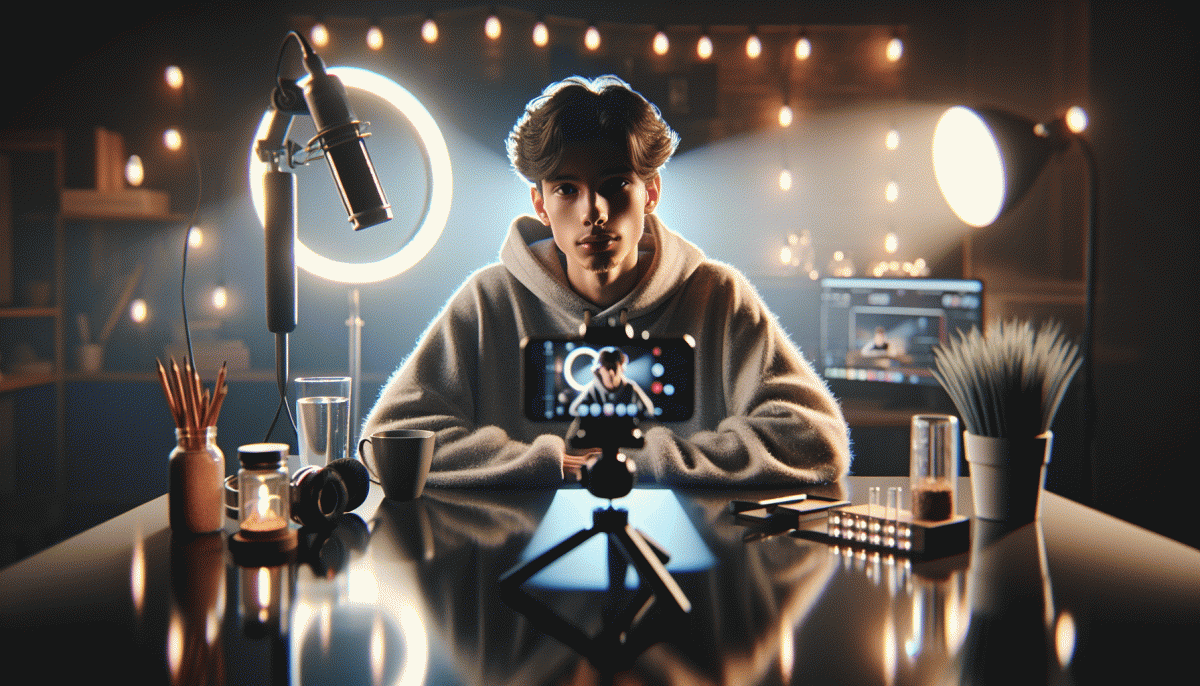
What Works Best on TikTok in 2025? Steal the Tactics Crushing the For You Page
Hook Them in 2 Seconds: Openers That Stop the Scroll
Two seconds is the law of attention on TikTok. If your first frame is static, they scroll; if your first frame moves with purpose, they pause. Lead with a surprising action, a tiny promise, or a visual contradiction that creates a micro conflict in the viewer mind.
Sound is the fastest doorbell: a sharp cut on beat, a gasp, or an unexpected lyric hook will snap people out of autopilot. Visual flips work like magic — show the result first, then rewind to reveal how it happened. Questions that expose a pain point in ten words or less force a double take. Keep faces large, eyes on camera, and edges clean.
Try compact opener formulas you can reuse: Result then Reaction where you flash the payoff then the stunned face; Micro Cliffhanger that ends on the twist to demand a watch-through; Tool Tease that shows one compelling move and hints at the secret. Each opener must communicate intent even without audio in the first second.
A B test ruthlessly: swap thumbnails, swap the first three seconds, and track watch time plus rewatch rate. If you want a fast place to test creative scaling and pickup, try best TT boost platform for delivery experiments that preserve creative integrity.
Final micro tips: interrupt and then reward within ten seconds. If people feel smarter, surprised, or entertained they will stay, follow, and share. Build a swipe file of winning openers and adapt them with your own personality.
Formats That Win: UGC, Faces, Duets, and Fast Cuts
On TikTok the formats that win share one thing: they feel immediate. User generated clips, close up faces, duet reactions and razor fast edits all signal authenticity and reward retention. Start every clip with a clear visual and a strong emotion — curiosity, shock, joy — and you turn a casual scroller into a watcher.
UGC performs because viewers treat it like proof not advertising. Encourage fans to film short tests, unpolished tutorials or genuine reactions. If you are the creator, open on your face in the first second, show a micro expression that sells the hook, and add a caption overlay that teases the payoff.
Duets and stitches are the algorithmic handshake. Use them to piggyback on trending audio or to reply to bigger creators with a concise point of view. Make each duet self contained so it works even if viewers never saw the original—reaction plus a twist is a classic win.
Fast cuts keep eyes glued. Edit to the beat, chop to maintain curiosity, and keep most videos under 30 seconds unless the story needs more time. Test 1.5–3 second shot lengths, bold jump cuts, and one clean reveal that rewards viewers for staying.
- Hook: Face in frame + immediate promise that solves a curiosity.
- Edit: Beat driven cuts, tight pacing, under 30 seconds for maximum retention.
- Collab: Duet or stitch trending clips and add new value, not just mimicry.
Caption and Hashtag Cheats: Keywords and CTAs That Drive Discovery
Think of captions on TikTok as search metadata disguised as personality. Start with the main keyword in the first two to five words so the algorithm and quick scrollers see it instantly. Keep the voice human, then drop a tiny promise: what will the viewer get in the next 3–15 seconds. Use one clear keyword + a micro benefit line so your clip matches both query and curiosity.
Hashtags are a mix game, not a spam game. Use 3 to 5 tags: one broad, one niche, and one branded or community tag to capture different discovery funnels. Put topical keywords in the caption body, not just in tags, because TikTok reads both. For cross platform experiments and promotional options see Instagram boosting to learn how discovery signals translate across apps.
Calls to action must feel like light taps, not orders. Use curiosity CTAs like "wait for the last trick" or engagement CTAs like "drop your pick below" and pair them with a single emoji. Keep CTAs above the first line break so they appear in the preview. If you need a longer ask, move it to a pinned comment and reference it briefly in the caption to avoid clutter.
Finally, test with tiny experiments: swap the primary keyword, rotate the hashtag set, and measure view rate on the first 3 seconds. Build a caption template: Keyword + Value + CTA, then iterate weekly. Treat captions and tags as data layers that steer the For You Page, not just flair, and you will steal notice instead of begging for it.
Timing, Frequency, and the 3-Video Momentum Playbook
Timing is not magic, it is a little bit of science and a lot of hustle. The algorithm rewards fast, early engagement inside a short window after publish, so identify three daily pockets when your audience is actually awake and scrolling. Use native analytics to map top engagement hours, then treat those windows like prime real estate: post experiments there for two weeks to see patterns emerge.
Frequency matters more than perfection when momentum is the goal. Instead of one beautiful video a week, aim for a steady drumbeat you can sustain: three posts across your best two daily windows is a smart baseline. Consistency trains the algorithm and trains viewers to expect your content. Batch produce so quality stays high while cadence stays relentless.
The 3-Video Momentum Playbook is simple and tactical. Video 1 = test the core hook and big idea; keep it short, shocking or delightful. Video 2 = iterate immediately with a variant that doubles down on the part that worked, or flips perspective to increase retention. Video 3 = scale the winner with remixing, stronger CTA, and an edit tuned for maximum retention. Publish them inside 0-72 hours so signals compound instead of evaporate.
Measure retention, comments, shares and reach between each drop, then double down on the winner within 48 hours. Reply to comments fast, reuse the same assets with fresh edits, and export high retention clips as short ads or drops for other channels. The point is to move quickly: test, iterate, scale, repeat.
Creator Collabs and Spark Ads: How to Scale Reach Without Wasting Budget
Pair creator collabs with Spark Ads and you get a low-waste growth machine: creators test dozens of authentic concepts at scale, and Spark Ads amplify the ones that already resonate — saving spend by promoting proven creative instead of guessing. Start by briefed, simple prompts so creators stay natural; the goal is thumb-stopping footage you would not call an ad.
Run a short creator sweep: 10 creators, 3 variations each, and let organic performance pick winners over 48–72 hours. Convert the top 2–3 clips into Spark Ads — keep the original creator handle active so viewers can follow the source. Budget tip: use a small daily test budget (think $200–$500) then double only the creatives hitting your CPA or engagement thresholds.
Optimize like a scientist: seed lookalikes from your high-value engagers, use interest layers to avoid wasting impressions, and refresh creative every 7–10 days. Measure beyond views — track comment sentiment, saves, and view-through rate to spot creative fatigue before CPMs spike.
If you want a shortcut to validate reach faster, consider campaign support — for example, buy TT views today to get statistically meaningful signals in your tests without burning weeks. Use that lift strictly to prove creative, not to paper over a weak hook.
Final checklist: 1) prioritize creator authenticity, 2) only scale Spark Ads for clips with >25% watch-to-end and positive comments, 3) set cadence rules so new creators rotate in. Do this and you scale reach efficiently without turning your budget into a leaky bucket.
Read also
What Works Best on TikTok in 2026? We Tried It All—Here’s What Actually Blows Up

What Works Best on Instagram in 2026? Steal these breakout tactics before they get saturated
What Works Best on TikTok in 2026? We Cracked the Code

What Works Best on TikTok in 2026? We Tested It So You Do Not Have To

Steal These Instagram 2026 Secrets: What Works Now (and What to Ditch)