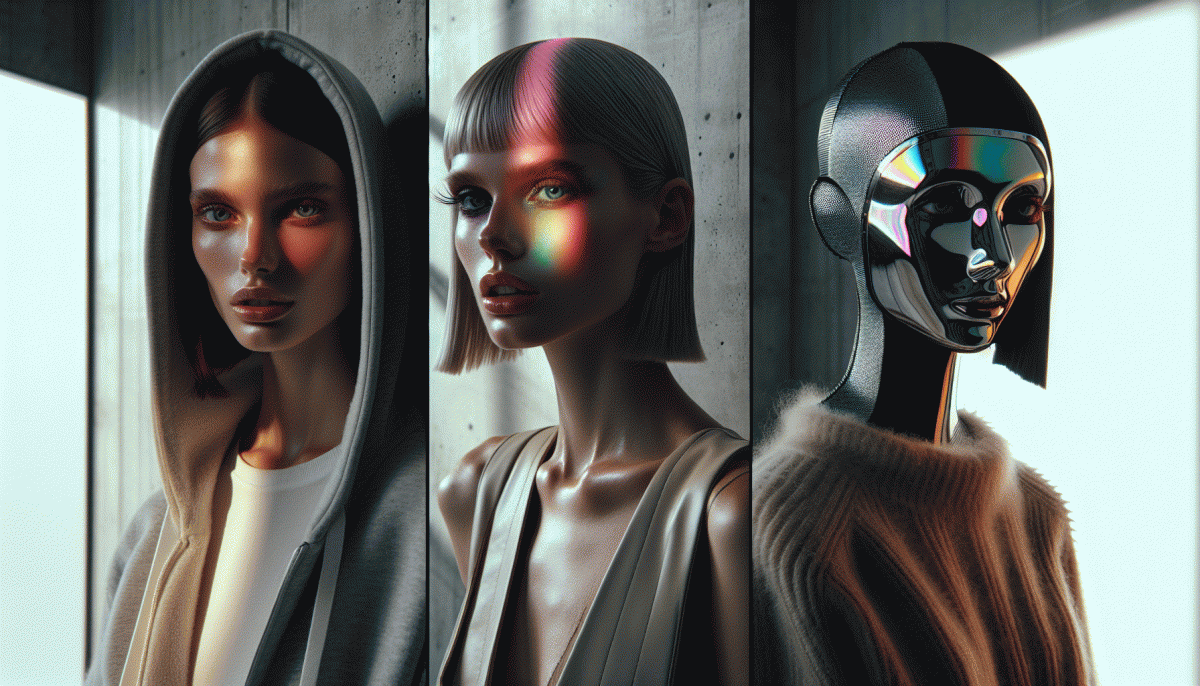
We Tested Raw, Flashy, and Flat-Out Weird—Guess Which Style Crushed It
Setup & Scorecard: How We Put Each Style to the Test
We built a tiny lab on top of our content calendar and treated each creative like a contestant: the stripped-down "raw" cut, the neon-saturated "flashy" edit, and the gloriously oddball "weird" experiment. Each variant ran with identical headlines, budgets, and posting windows so we weren't rewarding luck—just style. Creative assets were resized for mobile and desktop, and placements were rotated to prevent platform bias.
Our scorecard tracked five hard metrics: click-through rate, time on post/video, like/share ratio, comment sentiment, and conversion lift. Each metric earned a 0–10 score; then we applied weights (CTR 25%, time 25%, social actions 30%, sentiment 10%, conversions 10%) to produce a single, easy-to-compare performance number. We also took qualitative notes: did people drop emojis, ask questions, or screenshot the image? Those observations informed the narrative behind the numbers.
To keep results meaningful we aimed for at least 1,000 impressions and 100 engagements per style across three representative platforms over a two-week window. If a variant stalled early, we extended the run until either it hit thresholds or returned a clear trend. Small-sample noise? Toss it. Repeatable signals? Those earned bonus points.
Want to mimic our setup? Match budgets, lock copy, randomize posting times, and predefine stopping rules. Score each metric numerically, weight them to reflect your goals, and let the data break ties when your gut favors flash over weird. Do this, and you'll know fast which aesthetic actually performs—not just which one looks fun at a party.
Raw: The scrappy charm that builds instant trust
There's a magnetic honesty to content that looks like it was made in a spare minute: candid frames, shaky enthusiasm, and captions that sound like someone you actually follow. That scrappy charm lowers guards faster than a polished ad ever will — people forgive rough lighting if they believe there's a real person behind the camera.
Make it practical: shoot on your phone, lean into ambient noise, show the mess behind a launch, and narrate small failures with a wink. Keep captions short, use first-person lines, and resist the urge to over-edit. Authenticity isn't sloppiness — it's honest context framed with intention.
If you want to amplify that scrappy energy without sounding amateur, pair genuine posts with a targeted nudge so real audiences actually see them — like cheap Instagram boost online — and track which candid moments earn saves, replies, and follow-throughs.
Measure quickly and iterate: favor metrics that reflect connection (saves, replies, DMs) over vanity impressions. Try a micro-experiment: post one polished piece and one raw slice of life, wait 48 hours, then repeat what worked. Quick checklist: Shot: phone, natural light; Caption: conversational, one strong line; CTA: invite a reply, not a purchase.
Flashy: High-gloss bling that stops thumbs (and budgets)
Flashy content is like a disco ball for thumbs: it catches light, moves, and begs for a second look. Think lacquered closeups, mirror-like highlights, and a color pop so loud it interrupts scrolling. Motion matters too—3 to 5 second micro-animations or glittering transitions turn a casual scroller into an engaged viewer almost instantly.
But high gloss costs. That glossy thumbnail, pro lighting, and a short motion clip require time and sometimes a small production budget. Spend where attention is earned: hero frame, first three seconds, and the profile tile that people see when they decide to follow. Stretch value by templating shots so each spend gets recycled across multiple posts.
Test with a single flashy experiment before you commit. Run two versions: one sleek and shiny, one pared back, then measure likes, saves, and clickthroughs. If you need quick social proof to jumpstart engagement consider a trusted growth boost like buy Instagram likes fast while the organic machine warms up.
Actionable rule of thumb: make the first frame pop, keep motion tasteful, and limit brand clutter so viewers can breathe. Track cost per meaningful action, not cost per impression, and kill any effect that looks cool but does not convert. Flashy can crush it when it leads to real behavior; otherwise it is just shiny noise.
Weird: The pattern-breaker your brain cannot ignore
Think of weird as a deliberate jolt—an intentional mismatch between expectation and deliverable. The brain prioritizes error signals; when something does not fit, attention spikes and memory strengthens. That means a small oddity can punch far above its weight, turning skippable content into sticky moments.
Practical moves: introduce one strange element per asset — a mischievous prop, a literal interpretation of a metaphor, or an off‑rhythm subtitle. Keep everything else sane so the oddity reads as a feature, not a bug. Run tiny tests: change one variable, compare engagement, and double down on winners.
Where to try it first: thumbnails that betray genre, voice notes that pretend to be from a fictional fan, or product shots with absurd scale. In our experiments the versions that leaned into controlled weirdness consistently outperformed polished and flashy counterparts on click and recall.
Measure the usual suspects — CTR, watch time, comments and repeat visits — but also listen qualitatively: which oddities spark questions, shares, or imitations? Set safety rules (no harm, no hate) and cap the budget while you validate; weirdness without guardrails can backfire.
Start with one micro‑experiment today: swap a prop, misalign type, or narrate from an unexpected perspective. If it lifts engagement even a little, amplify it. Embrace the strange deliberately — sometimes the shortest path to standing out is a single delightful mismatch.
Steal This: A simple playbook to choose the right style for your next campaign
Think of this as a pocket playbook that turns messy creative debates into a five minute decision. Start by naming the one number you care about this campaign — clicks, signups, watch time — then map any creative choice back to that metric. Quick filter: does this style move the needle or just look cool?
Next, size up audience and placement. Younger, short-attention viewers on platforms that reward novelty want punchy, odd, or loud creative. Professional or decision driven audiences need clarity and trust signals. If you are running paid placements, consider where users land after the click and match the tone to that experience.
Use this cheat sheet to pick a lane fast and stick to it for the test window:
- Flashy: High production, big hooks for launches and attention grabs on feeds.
- Raw: Low polish, authentic voice for community building and retention.
- Weird: Unexpected, meme forward creative to break CPMs and spark shareability.
Finish with a brutal test plan: three creatives per campaign, equal budget split for a 7 to 10 day window, single primary KPI, and one secondary KPI. If one creative beats the rest by meaningful margin, pour more budget and iterate variants. Repeat this loop and you will pick the right style, fast, without overthinking.
Read also

Raw vs. Flashy vs. Weird: We Ran the Showdown—Guess Which Style Actually Wins?

We Tested 7 Instagram Post Formats—Guess Which One Crushed Engagement?

Raw, Flashy, or Weird? The One Style That Crushes Conversions Might Surprise You

Raw vs. Flashy vs. Weird: The Showdown Your Brand Didn’t Know It Needed
Raw vs Flashy vs Weird: The Creative Cage Match No One Saw Coming