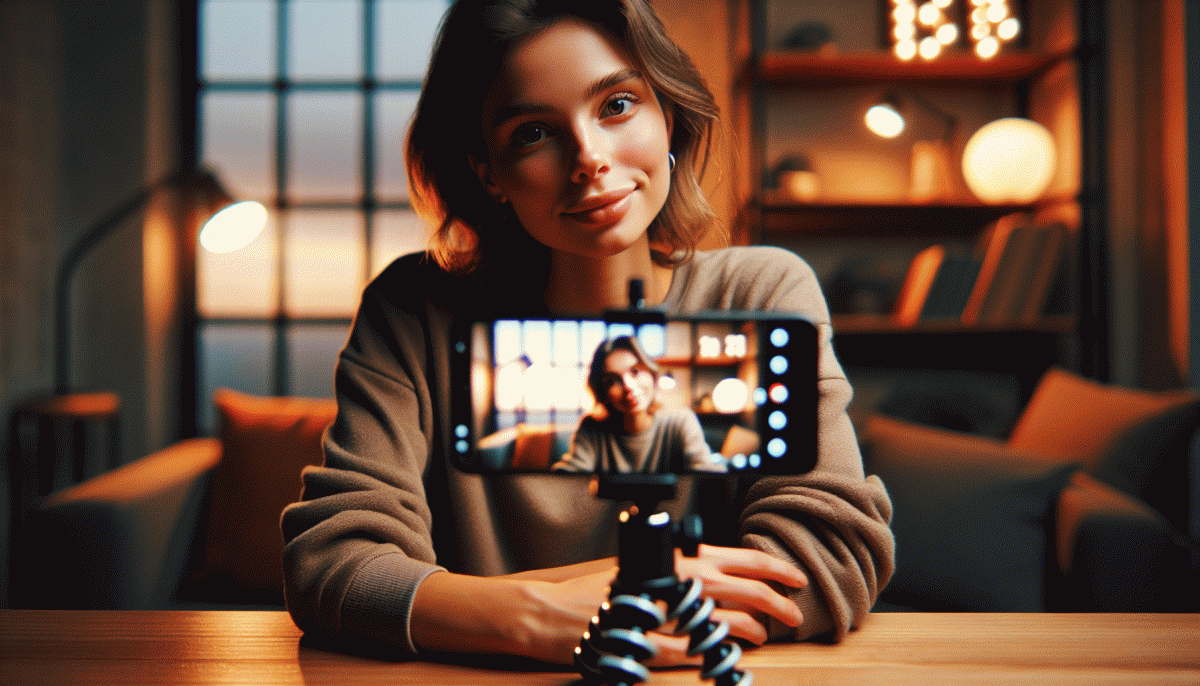
We A/B Tested Instagram: The One Creative Format That Crushes Engagement
Reels vs Carousels vs Stories: The Ultimate Cage Match
Think of Reels, Carousels and Stories like three fighters with different strengths: one lights up discovery, one keeps people glued to your post, and one closes the deal. Our A/B splits showed that the winning creative depends less on trends and more on the metric you pick. Pick the format that matches the KPI and stop trying to make every post do everything.
Reels are the reach champion. They reward a sharp visual hook, tight edits, and audio that drives attention. Start with a 1–3 second hook, lean into vertical pacing, and treat captions as both SEO and accessibility. Track reach, new followers, and view-through rates. Quick experiment: shoot two 15–30 second cuts with different hooks and compare 24 hour reach.
Carousels win for retention and saves because swiping equals time on content. Make slide one a clear promise, slides two through four deliver value, and the last slide a clean CTA. For comparative insights across platforms try a controlled amplification to see what actually sticks—check performance tools like YouTube account boost to benchmark behavior.
Stories are the best place for interactive CTAs and direct response. Use polls, countdowns, and quick taps to convert viewers into actions. Run a simple A/B: same creative, two CTAs, 24 hour run. Rule of thumb: pick Reels for discovery, Carousels for teaching and saves, Stories for nudges and DMs. Keep testing weekly and scale the winners.
The 3-Second Hook: Stop Thumbs Cold
Three seconds on Instagram is a tiny window and the algorithm rewards the posts that stop thumbs cold. In our A/B experiments the difference between a skim and real attention often came down to an opener that felt urgent, clear, and snackable. One vertical micro story that opens with a face to camera plus a high contrast caption outperformed static images and slow pans by a wide margin.
Make the visual arresting in motion and meaning: a sudden zoom, a face with intent, or a hand reaching into frame. Layer big high contrast text that reads at a glance and aligns to safe zones so nothing gets cropped. Use an audio hit that cues curiosity in the first beat, and remember that many viewers watch without sound so the visual narrative must work on its own.
Adopt a simple 3 second blueprint.
0–1s: deliver a bold visual hook that raises a question.
1–2s: show a short reveal or contrast that reframes that question.
2–3s: offer the payoff or the promised value that makes viewers keep watching. Keep text to three words or fewer in that window and favor verbs and benefits over fluffy adjectives.
Tiny production moves punch way above their weight. Crop tighter to center the action, crank color and contrast, replace slow motion with a hard cut into motion, and put readable captions on the first frame. Match your thumbnail to the opening second so autoplay does not betray expectations and the brain does not say move on.
Treat the hook like a quick experiment: build three variants that change one variable, run them for 24 to 72 hours, and measure 3 second view rate plus retention at 7 seconds. Keep the winner, iterate, and rinse. The goal is simple: force a pause, reward a glance, and earn a longer watch.
Caption Alchemy: Emojis, CTAs, and the Art of Short
Think of captions as micro-scripts: they set the beat before the video or image lands. In our tests, short captions with one standout emoji and a tidy CTA grabbed more saves and comments than paragraph-long monologues. The eye skims; the thumb taps — give people one clear action and a little personality to react to.
Start with a tiny hook, then add flavor.
Hook: three words max — tease the payoff.
Signal: use one emoji to act as a visual bullet; place it at the start or right after the hook.
CTA: keep it specific and single-minded — ask for a comment, a save, or a share, not all three.
Mini templates you can swipe: "New drop, who needs this? ?" ; "Two hacks in 30s — save for later ✅" ; "Vote: left or right? ?" If you want a fast way to push test posts and see how CTAs move the needle, try this option: buy authentic Instagram likes — use sparingly as a controlled variable in A/B tests.
Measure with intent: track saves and comments per 1k impressions, not just likes. Swap the emoji position, swap CTAs, and run each variant across similar audiences for 48 hours. Small caption experiments compound — a tweak to one line can turn scrollers into repeat engagers.
Sound, Cuts, Subtitles: Micro-Edits That Multiply Watch Time
Micro-edits are the secret seasoning that turns a scroll into a stare. Dialing in sound, snappy cuts, and readable subtitles is not theater trickery, it is engineering attention: small, repeatable moves that lengthen watch time without adding production hours. Think of them as frictionless nudges that keep people watching.
Start with audio. Use a short, recognizable sonic logo or hit on every major cut to create a cadence. Lower background music during speech so the voice sits in front of the mix. Add a subtle whoosh or click to punctuate transitions; those micro-sounds give the brain permission to keep following the story.
Make cuts mean something. Trim to the rhythm of the dialogue or beat, then tighten by 20–40 percent from your first edit. Use J-cuts and L-cuts to keep audio flowing across visual changes so the viewer feels continuity. When in doubt, cut slightly earlier than comfortable and test — faster pacing often wins.
Subtitles are not a dump of words, they are a second camera. Break lines at natural pauses, bold a keyword with visual emphasis, and keep each caption on screen just long enough to read at a calm pace. Match subtitle animation to the audio hits so reading becomes part of the rhythm, not a distraction.
Put these moves into two variants and A/B test: one with conservative edits, one with aggressive micro-edits. Track watch time and retention curves, iterate, then scale what works. If you want to amplify early engagement signals alongside tight edits, try a lightweight growth boost like buy comments to spark social proof while organic watch time compounds.
Timing and Frequency: The Posting Playbook That Feeds the Algorithm
Timing matters more than many creators realize because the algorithm rewards momentum and early engagement. When our top creative format hit a compact window it pulled double engagement. Actionable step: map follower active times in Insights and schedule posts to land 10–20 minutes before the peak so notifications and early swipes build momentum.
Frequency is the safety valve. Too much content causes fatigue, too little kills signal. Set up three cadence arms for an A/B test: low (2 per week), medium (4 per week), high (daily snippets). Track per-post engagement rate, saves, and comments per follower rather than vanity likes to judge sustainable performance.
Design experiments to isolate variables: keep the creative identical when testing time-of-day, and keep timing steady when testing creative variants. Quick reference:
- Cadence: Compare low vs medium vs high to see engagement per post and audience retention.
- Window: Test morning, midday, evening across several days to smooth noise and weekday effects.
- Test: Swap creative formats at the same time to measure format lift independent of timing.
Read results over 7–14 day windows and use rolling averages to avoid chasing outliers. Watch 30-minute and 24-hour engagement curves; a rapid early lift in a window usually signals algorithmic compounding. Batch-produce the winning creative, schedule it into identified windows, set alerts for early signals, and iterate weekly—double down on time-format pairs that compound and prune fleeting spikes.
Read also

Stop Scrolling: The Instagram Creative Format That Crushes Engagement

Stop Scrolling: The Instagram Format That Crushes Engagement (Backed by A/B Tests)
We Pitted Instagram Formats Head to Head — Here Is the One That Crushes Engagement

We Tested 7 Instagram Post Formats—Guess Which One Crushed Engagement?

We Tested Everything: Organic Growth Tactics That Still Work on Instagram