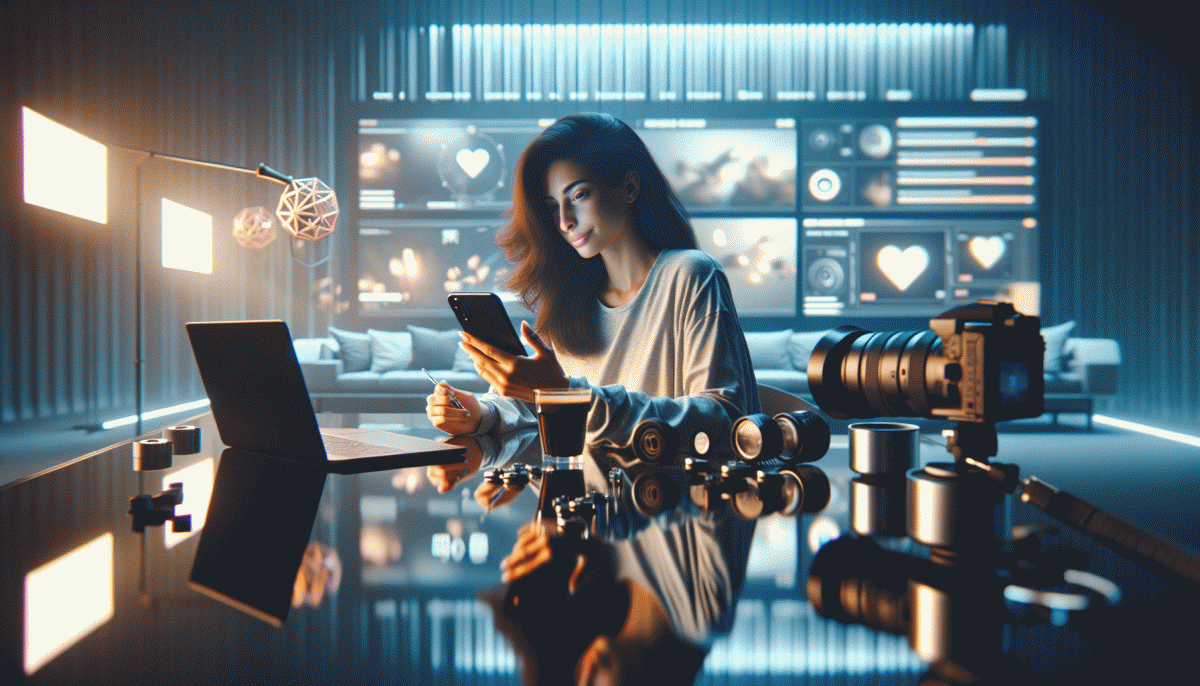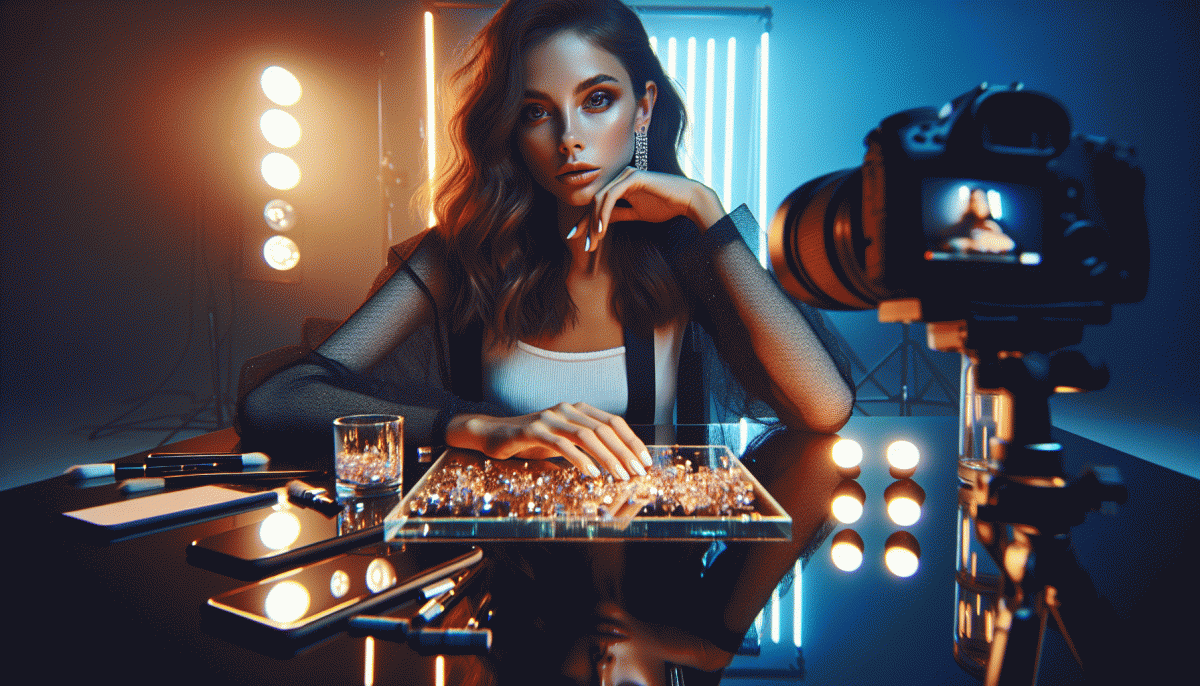
Visual Trends in 2025: The Viral Visual Playbook Taking Over Social Platforms
Hook in 3 Seconds (thanks, TikTok): Pattern-breaking openings that stop the scroll
Stop the scroll by treating the first three seconds like a neon billboard: make an immediate, readable promise or a small mystery that rewards attention. Use abrupt motion, a sudden cut, a smash zoom, or even a silent frame with a tiny caption to force the eye. Pick one pattern-breaking move per video so the brain can lock on fast; do not dilute the opening with too many competing signals.
Build a micro-plan: hook, micro-payoff, and a visual stamp (logo or signature gesture). Try an impossible close-up, a reversed action, or a line that reframes what the viewer thought they were watching. If you want fast variants to A/B test across audiences, try rapid trials via Twitter SMM panel to learn which shock, tease, or whisper lands with each cohort.
Design tricks that actually work: start at the peak moment and then backfill context with a quick caption; use a color pop on a single object; break symmetry with an off-center subject; add human eye contact or a hand reaching toward camera. Let audio be the engine — swap to unexpected foley, a snip of silence, or a voice hook — but limit to one audio novelty per creative so recognition grows.
Measure ruthlessly: retention at 3 seconds, 7 seconds, and swipe-off rate tell the story fast. Track saves, shares, and click-throughs as secondary signals and iterate weekly. Give your creative team a 3-second challenge: make a dozen openings in an afternoon, launch the two best, review performance, and repeat. Small bets, fast data, big wins.
Lo-Fi Wins: Raw, imperfect shots that feel real and outperform polished
Forget studio perfection; audiences crave texture. Micro imperfections act like a handshake across the screen: dust on the lens, a wobbly selfie, or a window flare that ruins a technically perfect shot but makes the moment feel alive. Those rough edges build trust faster than glossy polish, and feeds are rewarding content that keeps people watching, replaying, and sharing.
Make lo-fi deliberate. Shoot on a phone or an inexpensive camera, lock exposure, avoid heavy stabilization, and use natural light whenever possible. Capture ambient sound and accept small mishaps instead of erasing them with filters. Keep clips short and snackable—20 to 45 seconds for vertical platforms—so every second earns attention and rewatches accumulate without fatiguing the viewer.
Structure scenes around one tactile detail: a hand gesture, a quick reaction, a 3-second DIY reveal. Edit with quick jump cuts, muted color tweaks, and minimal polish so the voice stays human. Add concise captions for sound-off viewers and callouts that sound like conversation rather than copy. Try a simple A/B approach: one raw take versus one glossy take and measure which drives comments, saves, and shares.
Brands and creators who lean into this approach often see higher engagement and deeper conversations. Start a micro-series that feels like a neighbor telling a story, prioritize retention and community signals over vanity metrics, and iterate weekly. Remember, polish belongs on the brochure; social wins with real mess and honest moments.
Big Type, Bigger Impact: Text-over-video styles that boost watch time
Big, bold type layered over moving imagery is the visual shorthand that stops the scroll and keeps eyes glued. When words are treated as motion elements they become signposts: quick to read, hard to ignore. Focus on contrast, minimal copy and clear hierarchy so viewers can process meaning in a glance. Typography that respects reading speed will extend view time faster than any extra visual flourishes.
Start with size and pacing: use a headline font at least 18% of frame height for short clips, break sentences into 1 to 3 word chunks, and give each chunk 1.8 to 2.5 seconds on screen. Animate type with simple transforms and timing curves that match the edit cuts. Avoid long reveals or tiny type that forces squinting; legibility is the retention secret.
Creative treats raise reward signals. Try split color masks that reveal keywords, kinetic tracking that anchors text to faces, or bold captions for sound off viewers. Swap serif for sans in A B tests and watch watch time delta. Use hierarchy to drive action: primary message large, secondary info subtle. Track watch time by segment to learn which phrasing and timing work best.
Make it scalable with three micro templates: headline intro, product demo overlay, and closing CTA. Save keyframe presets, safe margins and color tokens so editors can slam out iterations. Batch render vertical and square crops and include burned captions to capture silent viewers. Then measure, iterate and double down on variants that move the needle. Small type choices will make a big difference.
Color Forecast 2025: Hyper-pastels, cyber-neons, and cinematic grain
Think of the 2025 color shift as a mood remix: hyper-pastels that feel sugary but photo-real, cyber-neons used as surgical accents, and cinematic grain that stitches analog warmth into ultra-clean digital frames. These three forces together create tension and relatability — the visual equivalent of a surprise chorus drop. Platforms will reward the unexpected. Keep palettes cohesive across stills and motion.
Practical pairings: use a hyper-pastel base like muted millennial pinks and washed mint, then inject cyber-neon for call to action elements such as buttons, captions, or ring lights. Add a cinematic grain layer at 5 to 15 percent opacity to humanize high saturation. On short form video prioritize quick gradient shifts and on thumbnails push neon outlines to lift focal points off the feed. For stories and fleeting formats, let neon breathe and avoid heavy fills.
Production tricks that work: shoot with warmer white balance to avoid pastels turning sterile, grade with subtle S curve boosts to keep skin tones natural, and use film emulation LUTs sparingly. For grain use high resolution overlays so texture reads on small screens. Always check contrast ratios and run simple color blind filters to preserve readability across devices and audiences. Test on device extremes such as low light phones and desktop monitors.
Start small: swap one UI color, add a neon accent to your next post, and A B test a grained versus clean thumbnail. Save three swatches per campaign, make a tiny style guide and share it with collaborators, and document engagement shifts for two weeks. These micro experiments are how viral visual playbooks are written then iterated and scaled. Have fun breaking rules with intention and let color do the heavy lifting.
AI, But Make It Tasteful: Generative accents that wow without screaming "made by a bot"
Think of generative accents like seasoning: a pinch of texture, a whisper of hand-drawn imperfection, and sudden overuse ruins the stew. Audiences in 2025 reward visuals that hint at AI but keep the human touch — subtle grain, off-kilter linework, or a color vignette that reads like mood, not algorithm. The goal is delight, not detection; if viewers ask "was that made by a bot?" you failed the assignment.
Make it actionable: add 3-7% film grain, layer a scanned paper texture at soft-light 12%, or prompt "retain pores and microdetails" so faces avoid porcelain-smooth flattening. Use asymmetric compositions and one imperfect element — a crooked sign, a handwritten note — to anchor authenticity. When prompting, ask for "natural flaws", "slight ink bleed", or "subtle brush edge"; then export multiple seeds and pick the version with the nicest human wobble.
Workflow matters. Start with an AI-generated base, mask the subject, and hand-paint highlights or stray hairs at 30% opacity; this hybrid approach keeps speed without the sterile finish. For social crops, check the focal imperfection at thumb-size — what reads human at 1080px may look synthetic at 360px. Keep color grading analog: lift shadows, mute mids, and avoid global sharpening beyond 15%.
Want a quick boost after you craft that tastefully accented visual? Amplify its first wave with a little visibility nudge — buy Instagram likes instantly today — and pair paid seeding with organic storytelling so the work gets human eyes and human comments. Tasteful generative accents catch attention; thoughtful distribution turns attention into momentum.
Read also
Visual Trends in 2026: Viral Visual Hacks Social Platforms Cannot Resist
Visual Trends in 2026: 11 Viral Triggers Social Platforms Cannot Resist
Visual Trends in 2026: The Shockingly Simple Secrets Behind What Goes Viral on Social Platforms
Visual Trends in 2026: What Actually Goes Viral on Social Platforms (and How to Ride the Wave)
Visual Trends in 2026: What Goes Viral on Social Platforms (and How to Hijack It)