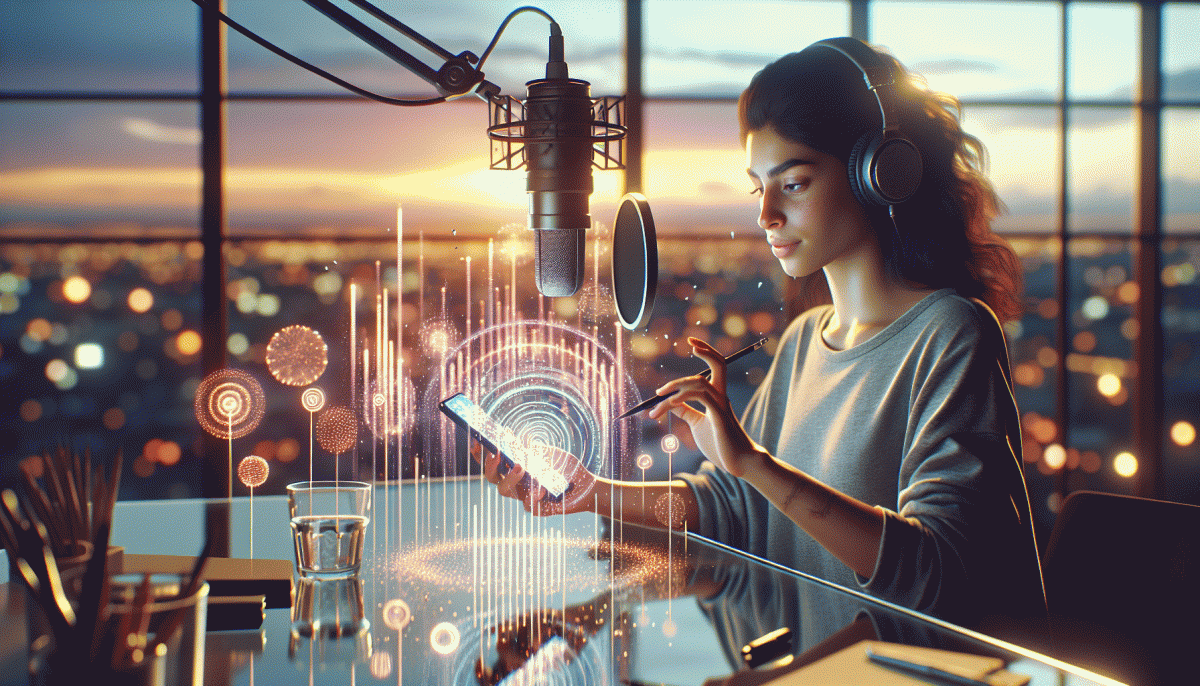
Visual Trends in 2025: Steal the Secrets Behind What Goes Mega-Viral on Social Platforms
Hook in 3 Seconds: Thumbnails, cold opens, and movement that stop the scroll
You have roughly three heartbeats to prove your content is worth scrolling for. Treat the thumbnail like a tiny billboard: one clear focal point, high-contrast colors, and three words max of micro-copy. Promise motion with a blurred edge, diagonal composition, or a cropped limb in mid-action so the eye instantly reads "movement."
Cold opens should be kinetic. Drop viewers into ongoing action — someone mid-reach, a hand pushing open a door, a pan that lands on a reveal. Use jump cuts and whip-pans so the first frame already carries momentum. For thumbnails, export a subtle loop (a 2-frame GIF or MP4) so the tiny motion feels natural, not gimmicky.
Sound is a blink trigger: a 50–200 ms audio spike or a quick vocal exhale in the opening frames jumps attention even when many viewers start muted. Always pair rapid captions so the hook still lands without audio. Script the first 2.5 seconds as promise + payoff: pose a problem, flash the hint of a solution, then deliver the rest.
Test fast and iterate: A/B one thumbnail, one cold-open, one sound cue per experiment and measure click-to-watch plus 15s retention. Think of the first frames like speed dating — hook, hint, promise — then let the middle earn the relationship. Small visual stumbles cost virality; speed and clarity save it.
Lo-Fi Beats Hi-Fi: Why raw, handheld visuals crush polished brand shoots
Forget the glossy, frozen tableau of a perfect brand shoot. Viewers now crave the small human tremor that signals a real person held the camera five seconds ago. Handheld frames feel like an invitation to lean in; they reduce distance, invite curiosity and make product moments feel discoverable rather than delivered. In short, raw motion sells presence, and presence outperforms polish on platforms that reward personal connection.
There are three cheap tricks behind that performance. First, micro imperfection breeds attention: a tiny wobble or imperfect focus triggers the brain to keep watching in case something interesting appears. Second, uncut, ambient sound and offhand reactions create replay hooks that boost watch time. Third, faster iteration keeps you relevant because you can test twice as many concepts in the same time budget than with a full production.
Practically, start by shooting more than you need and favor motion over static perfection. Use vertical frames, capture candid reactions, and let natural light do the heavy lifting. Cut aggressively to reaction shots and ambient beats, add concise captions, and resist the urge to polish every pixel.
Tip: swap a planned hero shot for a five second handheld vignette and A B test which one makes people stop scrolling.
Make raw a strategy, not an accident. Build templates for handheld sequences, track replays and saves as your fidelity metrics, and institutionalize fast feedback loops. When you pair lo fi visuals with intentional pacing and sound design, you get the paradoxical effect of feeling handcrafted at scale. That is your edge for viral momentum.
Text-On-Screen That Converts: Bold fonts, captions, and kinetic subtitles
Stop treating on-screen text like a subtitle afterthought. Make it the hero: choose a bold type that reads at a glance, stack a clear hierarchy of sizes, and use high-contrast color blocks so viewers can skim while scrolling. Small tweaks—tighten tracking, bump x-height, add a subtle shadow—turn a meh caption into a thumb-stopper.
Captions must do two jobs: explain and compel. Lead with a punchline, follow with context, and keep each line under 35 characters for mobile comfort. Use caption timing to match how people read—longer on complex facts, faster for jokes—and always bake in safe margins so nothing gets clipped under GUIs.
Kinetic subtitles are where personality meets persuasion: animate only the verbs or numbers, sync bursts to the beat, and favor transform + scale over heavy motion that fights legibility. Micro-animations guide the eye; don’t let them steal attention. Test one motion style per video to see what lifts watch-through and shares.
Want to scale what works? Start with A/B tests on three variants: bolder font, longer caption, and kinetic emphasis, then measure clicks and retention. If you need a fast route to audience proofing, try get Twitter marketing service to validate which text-on-screen actually converts before you double down.
AI + UGC Mashups: Remix culture that fuels shares without blowing budget
Think of AI as the remix deck and user clips as raw tracks: mash them and you get snackable viral loops without blowing the budget. Start by harvesting short, authentic moments from your audience—reaction shots, quick tips, awkward wins—and batch them. AI can retime hooks, upscale shaky footage, and spin five caption variants from a single line so you can test rapid combos across formats.
Here are three fast plays that scale without bespoke shoots:
- Automate: Use lightweight AI editors to trim for immediate hooks and auto-generate subtitles that match platform scroll speed.
- Boost: Layer top-performing UGC with subtle AI-created motion graphics to increase dwell time without feeling produced.
- Polish: Run batch color and audio fixes so every clip looks intentional, not accidental.
Set up a simple template system: 6s vertical hook, 15s story, 30s context piece, then let the machine remix each UGC asset into those sizes. If you want a quick way to scale distribution and find safe amplification partners try best Instagram marketing service for targeted seeding and fast feedback loops. Test two captions and two visual variants per clip, push winners to paid, and reinvest in creators whose content consistently lifts retention. Repeat weekly and watch low-cost shares compound into organic reach.
Color, Contrast, and Face Time: The visual cues the algorithm actually boosts
Think of a social feed as a speed‑dating room for attention: bold color, clean contrast, and a human face are the fast signals that get swipes to stop. Bright hues act like visual beacons, high contrast separates subject from clutter, and faces trigger micro‑engagement — longer holds, more clicks, and that coveted early signal platforms use to amplify content. These are small design bets with big algorithmic returns.
Here's a tight recipe you can use today: pick one dominant color at 60–80% saturation, frame your subject against a light or dark negative space to create clear separation, and prioritize a close‑up face (eyes visible) in the first frame. Add a tiny accent color for the CTA or prop so the eye has a target. For thumbnails and short clips, crop tighter and make the face the hero.
Make it measurable: run micro A/B tests (swap a single thumbnail, run two short promos, or post parallel stories) and watch hold time and replays — those signals matter. Keep your contrast consistent across posts so the algorithm learns your visual language. Small edits like boosting midtones or desaturating a noisy background often beat rewrites of captions.
If you want a shortcut, try this: pick three top-performing posts, create three contrast/color variants each, and run a 48‑hour test. You'll get clear winner data and a reusable template. Need help turning the results into a quick creative kit? We design mockups and a contrast map that you can roll out across a month of content with predictable lift.
Read also

Visual Trends in 2026: The Shockingly Simple Secrets Behind What Goes Viral on Social Platforms
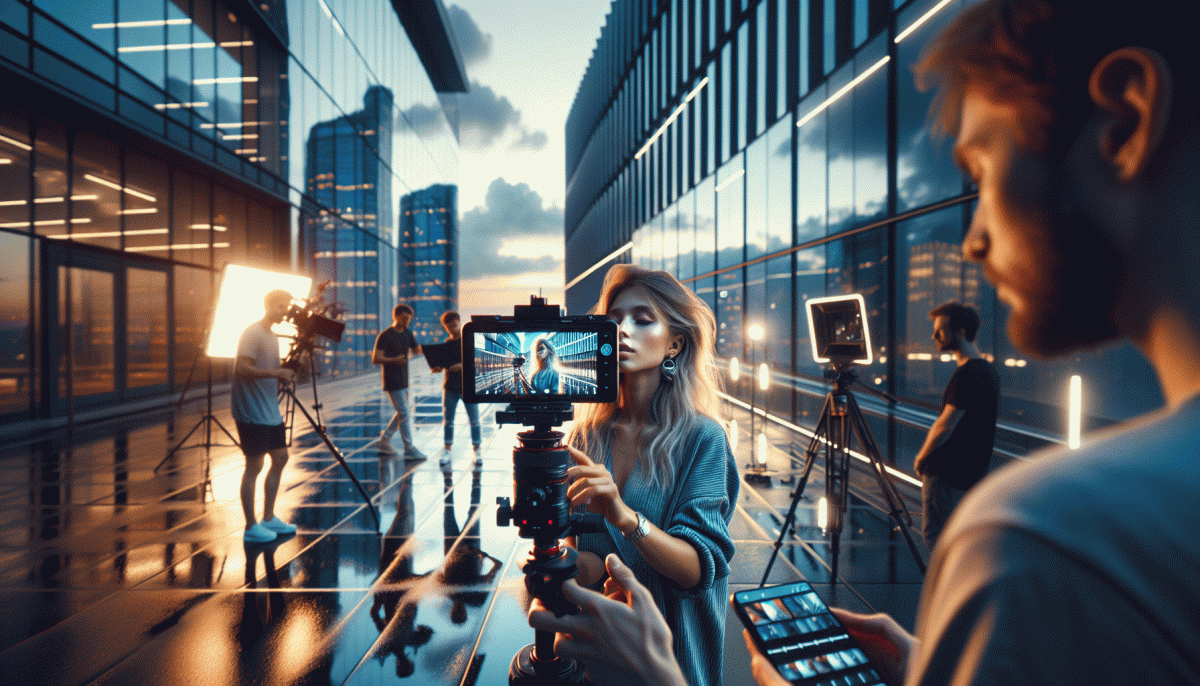
Visual Trends in 2026: What Actually Goes Viral on Social Platforms (and How to Ride the Wave)

Visual Trends in 2026: The Eye-Popping Secrets Behind What Actually Goes Viral

Visual Trends in 2026: What Goes Viral on Social Platforms (and How to Hijack It)

Visual Trends 2026: What Actually Goes Viral on Social Platforms