
The One Thing That Drives Clicks on YouTube (Hint: Not Luck)
Thumbnails: Your Tiny, Mighty Billboards
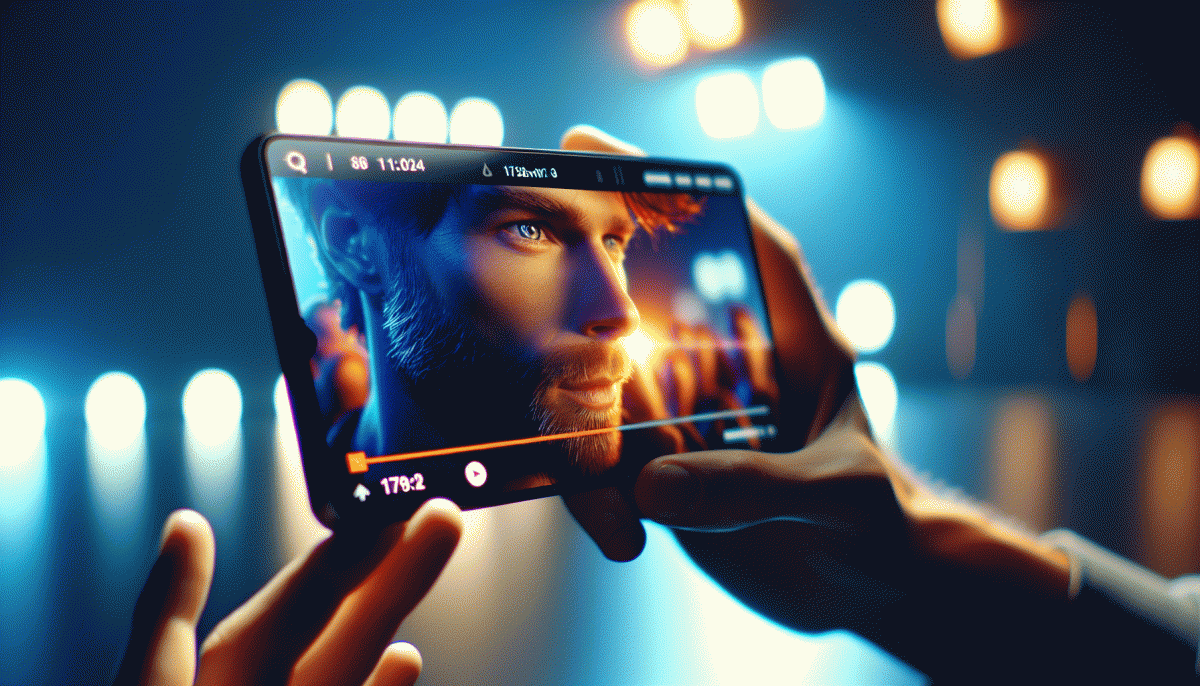
Think of a thumbnail as a tiny billboard on fast forward. It has a fraction of a second to stop a scroll, spark curiosity, and sell a promise. Use a single focal point, strong contrast, and clean composition so the eye lands where you want. Bright pops of color and an expressive face do heavy lifting; tiny clutter is the silent conversion killer.
Text on a thumbnail should read like a headline, not a paragraph. Keep it short, bold, and legible even at a glance. Use type that contrasts with the background and limit yourself to two lines max. Leave breathing room around the subject so viewers understand the scene at a micro scale. A clear emotion or action frame increases perceived value and makes people more likely to click.
Thumbnails are experiments, not decorations. Test different crops, color grades, and headline words to learn what moves your audience. If you need an initial boost to gather fast data, consider services that speed up early engagement like express delivery YouTube video likes to validate which creatives work best. Use that signal to double down on winners and iterate quickly.
In short, design with intention: one subject, readable text, bold contrast, and a single emotional hook. Track click through rate as your north star and let it guide creative decisions. Thumbnails are tiny but mighty; treat them as the primary commercial real estate for every video and you will turn design into predictable clicks.
Make the Click Obvious in 3 Seconds
You have three seconds to turn a curious scroll into a decisive tap. Start by deciding what the viewer will get immediately—laugh, hack, reveal, or answer—and bake that promise into the thumbnail and title so the decision is obvious.
Design thumbnails that read at thumb-size: bold typography, high-contrast colors, a clear subject, and one short benefit word. Freeze a peak facial expression or a striking motion frame; faces and motion register in a blink, which means the visual should shout value before the viewer can blink away.
The first frame of video must deliver the payoff. Open with the most compelling visual or the very line that answers the implied question. A short superimposed caption like "Fix in 60s" or "Watch this for X" paired with a confident audio hit makes the click feel like the obvious next step.
Edit the intro down ruthlessly: test thumbnails at tiny size, keep titles tight with a bracketed hook such as [Quick Fix], and make the first five seconds prove the promise. When a viewer can tell in three seconds what they will learn or feel, they hit play instead of scrolling.
Want help getting viewers to choose you every time? Check the best Twitter promotion site for inspiration across platforms, then borrow the visual tricks that make the click unavoidable.
Faces, Contrast, Big Text: The Click Magnet Trio
People lock onto faces. A closeup with big eyes or an exaggerated smile gives the brain a fast, emotional cue that something is worth watching. Use a slight head tilt, open mouth or raised eyebrows to telegraph feeling at a glance. Keep the face large, cleanly cropped, and avoid busy backgrounds so the viewer sees emotion before they read a single word.
Contrast makes that face pop. High foreground to background contrast wins on feed cards and tiny players: light subject on dark field or vice versa. Use color blocks, bold outlines, or a subtle vignette to isolate the subject. Avoid washed out gradients and midtone pairs that blend together. One extra stop of contrast can lift CTR more than a clever headline.
Big text is the icing. Two to four bold words that answer What or Why are all you need. Use sans fonts, thick strokes, and heavy letter spacing for legibility on phones. Position text over empty negative space or a color tab; never let it cover the eyes.
Tip: test both text-on-image and text-outside-image variants to see which reads faster in a feed.
Combine the three with small experiments: swap color contrast, tighten the crop, or shorten text and compare CTR after a few hundred impressions. Track wins, then scale. Keep brand cues subtle so the thumbnail does the heavy lifting. Do this and what looks like simple polish turns into measurable clicks, not just lucky guesses.
Swipe These Proven Thumbnail Formulas
Stop guessing with thumbnails and start copying formulas that work. Below are compact, swipeable blueprints you can reuse across topics. Think of each formula as a visual shorthand: one dominant emotion, one clear promise, one strong contrast. Apply one formula per video and measure results instead of chasing trends that vanish overnight.
- Contrast: Big subject, bold colors, 2 tone contrast to pop on dark and light feeds
- Face: Close up with exaggerated expression, eyes looking at the camera and one short caption word
- Promise: Big number or benefit like "30s Fix:" that tells viewers what they will get
Design rules to copy: use a clear focal point, keep text under 4 words, pick a color pair and stick to it, and increase subject size so the face or object fills 40 to 60 percent of the frame. Use thick fonts and a simple outline or drop shadow so text reads at small sizes.
Testing plan you can steal: make three variants that change only one element each — color, face, or copy. Run them for the same traffic window, compare CTR and watch time, then roll out the winning template. Save all winners as reusable templates for future uploads.
Treat these formulas as starting points rather than rigid rules. Swipe, adapt, and refine until the numbers prove the formula. Want done for you thumbnails or quick templates to download? Reach out and get ready to stop guessing.
Avoid These Click-Killing Mistakes
Clicks are a fragile animal. One bad thumbnail or a misleading title can scare them off faster than a buffering icon. Think of every frame as a first impression: bold, clear, and honest. Replace crowded collage designs with a single visual focal point, and pick a facial expression or object that tells the viewer exactly what to expect in one glance.
Creators often overload thumbnails with tiny text and competing colors. That looks clever on desktop but becomes unreadable on a phone. Use large, high-contrast type, limit the color palette, and test on a small screen before publishing. If the thumbnail does not read at thumb size, it will not earn the click.
Titles matter as much as thumbnails. Avoid vague promises and aim for clarity with a hook. Put the main keyword or benefit in the first few words, add a bracketed payoff like [Quick Tutorial] or [Case Study], and resist the temptation to bury the reward until the end. Metadata is not decoration: tags, a concise description, and clear timestamps help the algorithm and the human scanning results.
There is nothing wrong with giving a legitimate launch boost to get that early momentum, as long as it is paired with honest optimization. For creators who want a safe, compliant nudge to start the flywheel, consider services that help establish initial viewership while you fix retention and thumbnails — for example buy YouTube views today. Use that signal only after the thumbnail, title, and first 30 seconds are solid.
Finally, adopt a short ritual before every publish: preview on mobile, watch the first 15 seconds without sound, and ensure the thumbnail-title match is truthful. Run one small A/B test if time permits. These micro-checks kill fewer clicks than any overnight viral miracle, and they compound fast.
Read also

The One Thing That Drives Clicks on YouTube (Hint: Your Thumbnail Rules the Game)

The One Thing That Drives Clicks on YouTube (Spoiler: It's Not Your Video)
The One Thing That Drives Clicks on YouTube (You're Probably Ignoring It)

The One Thing That Drives Clicks on YouTube (No, Not the Algorithm)

The One Thing That Drives Clicks on LinkedIn (You're Probably Ignoring It)