
Stop the Scroll: 17 Hooks That Actually Work in 2025 (Steal These!)
The 3-Second Rule: Openers That Grab Eyeballs Before Thumbs Bail
Attention spans are microscopic and attention wins are tiny. Treat the first three seconds like a handshake that determines whether someone will stay for a full conversation or bail with their thumb. Start with movement, color contrast, or an eyebrow-raising line that interrupts the scroll rhythm. Make the moment feel like an invitation, not a lecture.
There are three opener muscles to flex: surprise, utility, and identity. Surprise creates a curiosity gap that pulls the eye. Utility promises an immediate payoff, like a tiny hack or takeaway. Identity signals social belonging or FOMO by showing someone like the viewer getting a win. Mix these in one breath and the algorithm will reward the microsticker shock.
Small production beats big ego. Nail the first frame, the first sound, and the first three words. Test combinations like a bold thumbnail with a quiet opener, or a muted thumbnail and a loud sound cue. For platform specific boosts and quick experiments, try services that help you scale tests — for example boost YouTube to validate which opener pulls viewers past second three.
Measure what matters: second-to-second retention, not vanity metrics. When retention dips at second three, that frame is the problem. Swap the title card, speed up the motion, add a noise hit, or change the opening copy to a question. Keep iterations small and fast so you can learn which micro tweak moves the needle.
Quick checklist to steal: lead with an unexpected visual, promise a one line payoff, and signal who this is for. Run three A B tests per week and kill the underperforming opener ruthlessly. The 3 second rule is cruel but fair: optimize it and you will stop the scroll more often.
Curiosity Gaps That Don't Feel Clickbaity—But Still Spark Clicks
The best curiosity prompts feel like a private invitation rather than a trap. They hint at surprise or contradiction but leave enough context that the reader trusts clicking will reward them. Think of them as gentle puzzles: you are promising an answer, not bait. When executed well they stop the scroll and build credibility at the same time.
Turn that idea into copy with tight formulas that respect the reader. Try Specific mystery + context: "Why a $7 habit is outearning my college degree"; Outcome tease + stakes: "Saved one hour a day with this tiny change and nearly lost my job"; Reverse expectation: "What I unlearned about productivity in five minutes." Swap in small numbers, a time frame, or a named person to increase credibility. Even a tiny concrete detail makes the curiosity feel earned.
Do anchor the gap to a real benefit, timestamp, or number; do offer the answer early in the first line of the article to reward the click. Do not overpromise or withhold the payoff. If readers feel tricked they will scroll past you next time. Trust is the currency that makes curiosity repeatable.
Quick test: craft three headlines that vary the promise level and A B them for 24 hours. Templates to steal: How I + unexpected result; The one thing + everyone misses; Why + common belief + is wrong. Keep the content short and fast to consume; the headline should be the hook, not the trap. Use the winner as a caption, not as a cliffhanger, and watch engagement rise.
Proof Beats Hype: Social Proof Hooks Your Audience Actually Trusts
Stop leaning on flashy adjectives and start stacking tiny, believable facts. People ignore bold claims; they trust other people. That means short, specific proof wins: real numbers, named testimonials, and time stamps that show traction. When social proof feels human it turns scrollers into testers.
Use these compact proof formats to get attention fast:
- Testimonials: One line quotes with first name and role plus a small photo for instant credibility.
- Numbers: Live counters for plays, views, or subscribers that update and feel real.
- ⭐ Badges: Press logos, award icons, or verified marks that anchor trust at a glance.
Plug proof where attention is highest: above the fold, beside the main CTA, and in social headers. If you need to seed momentum fast try a small, targeted boost like buy Twitter followers to trigger organic FOMO, then pair that with a visible counter and authentic quote.
Keep the execution tiny and testable: show the metric, add a one line context, and include a human face. Run a seven day test, measure uplift, then scale the proof that moves the needle. Proof beats hype when it is believable, repeatable, and easy to verify.
Make It About Them: Problem-First Hooks That Trigger 'That's Me' Moments
Stop selling—start diagnosing. Instead of opening with features or personality, lead with the exact snag your reader feels at 2 AM: the heat-scorched launch that flopped, the inbox that never replies, the camera roll full of drafts. A problem-first opener says, 'I see you,' and creates an immediate reflexive twinge of recognition. That reflex is the only currency that buys attention in 2025.
Turn diagnosis into a tiny script: 1) Name the pain in plain language; 2) Expose the hidden cost (time, money, embarrassment); 3) Offer a tiny fast relief or a clear next step. Example pattern: 'Tired of X? Here's y you can try tonight.' Swap X for something specific (wonky captions, ghost followers, sluggish uploads) and y for an actual micro-solution.
Micro-hooks you can steal and adapt: 'Still waiting for your first reply after a week? Do this one thing to get an answer'; 'Posting daily but no growth? Cut this one habit tonight'; 'Spending money on ads with zero return? Try this 10-minute audit'; 'Group chats feel like ghost towns? Use this opener that gets 3x responses'; 'Camera shy but want watch time? A 15-second trick to sound confident.'
Treat them like experiments: pick two variants, change just the problem line, and run them against each other for 48-72 hours. Track micro-metrics: clicks, saves, reply rate, story taps. Keep the language human, skip jargon, and when you hit a 'that's me' spike, double down—replicate the frame, not the exact words. Small empathy beats big features every time.
Show, Don't Tell: Visual-First Hooks for YouTube Shorts That Pop
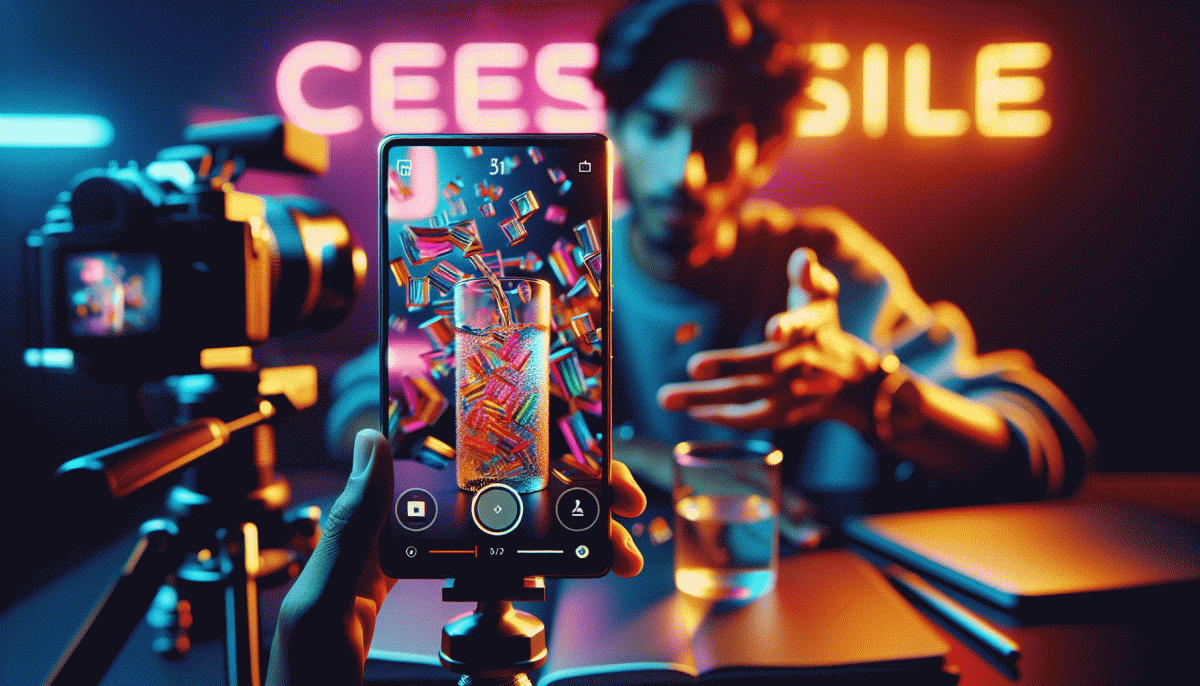
Make the first second count by treating every Short like a visual headline. Grab attention with a bold shape, an unexpected motion, or a close up that makes viewers squint to get the context. The brain reacts to contrast and movement faster than words, so lead with pixels that demand a pause.
Think in micro narratives: open with a mystery frame, show a high contrast color pop, then resolve with a satisfying reveal. Use jump cuts to accelerate curiosity, macro close ups to create intimacy, and match cuts to deliver a clever visual payoff. Keep on-screen text minimal and rhythmic so it supplements, not competes.
Build a simple recipe you can reuse: 0.5s attention grabber, 1s context hint, 2s reveal, 0.5s loopable ending. Sync actions to a transient sound hit and let motion tell the change instead of explaining it. Swap static talking head for layered motion—hands, props, or camera whip—to multiply perceived energy.
If you want to speed up experimentation or amplify reach, check a partner that focuses on platform growth: top YouTube growth service. Use short production tests, measure retention curves on the first 3 seconds, and double down on the visual beats that keep people watching to the finish.
End every edit with two checks: does the first frame tease a question, and does the last frame invite a rewatch or share? Iterate fast, collect the visual hooks that outperform, and treat each Short as an ad for the next Short.
Read also

Stop the Scroll: The Hooks That Actually Work in 2026 (Steal These!)
Stop Scrolling: The Hooks That Actually Work in 2026 (Steal These!)

Stop the Scroll: The Hooks That Actually Work in 2026

Stop the Scroll: Hooks That Actually Work in 2026

What Hooks Actually Work in 2026? Steal These Scroll-Stoppers Before Your Competitors Do