Stop the Cringe: Live Content Done Right on Instagram (Without Embarrassment)
The 10 minute prep ritual that makes you look effortless on Instagram Live
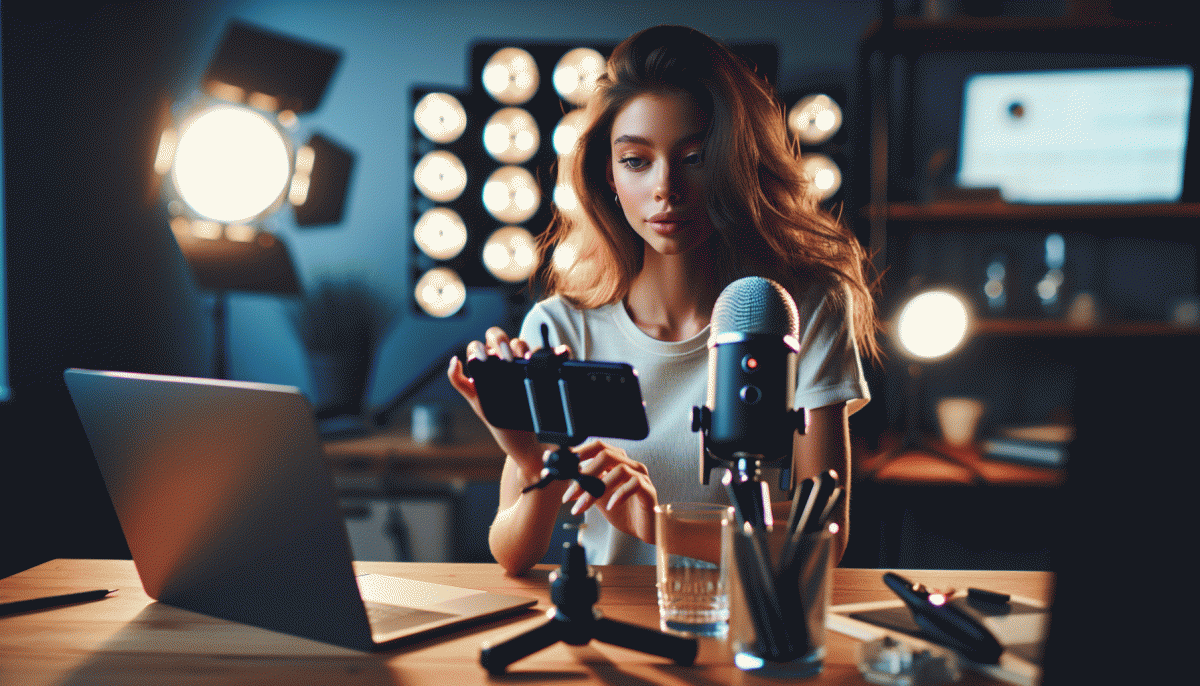
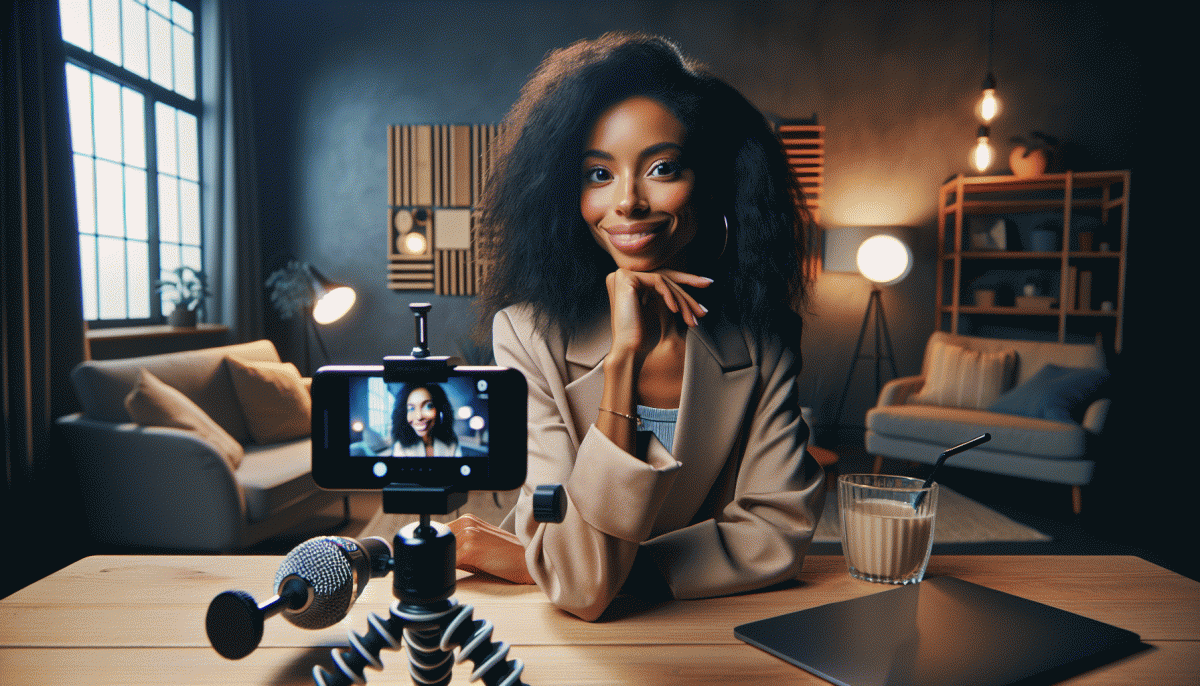
Ten minutes is not a panic, it is a power move. Treat this ritual like an actor warming up: clear the frame, mute notifications, and put your phone at eye level. Wipe the lens, angle the camera slightly above chin level, and add a soft light behind the camera or face a window. A tidy background and steady framing make you look intentional instead of nervous.
Break the ten minutes into tiny, undefeated sprints: 0–2 minutes, outfit and hair check; 2–5 minutes, lighting and camera angle; 5–7 minutes, sound check and wifi quick test; 7–10 minutes, jot three talking points and one question for the audience. If you need a little audience nudge or want the launch to feel busier from the first minute try buy Instagram live video as a tactical boost while you practice your cadence.
Mindset is part of the ritual. Write a one-sentence opener that says who you are and what people will get in the next 20 minutes. Warm up your voice with two lines aloud, smile for the first 10 seconds to relax your face, and have a visual cue or cue card just out of frame for transitions. Keep the language conversational and leave room for a spontaneous comment or two from viewers.
Finish with a micro rehearsal: press record on your camera app and run the first two minutes. If the take feels stiff, tweak one thing only and try again. When the timer beeps, sip water, breathe, and go live with the confidence of someone who prepared like a pro but plans to have fun like a friend. This ritual makes effortless look intentional.
Camera, confidence, action: a foolproof run of show for zero dead air
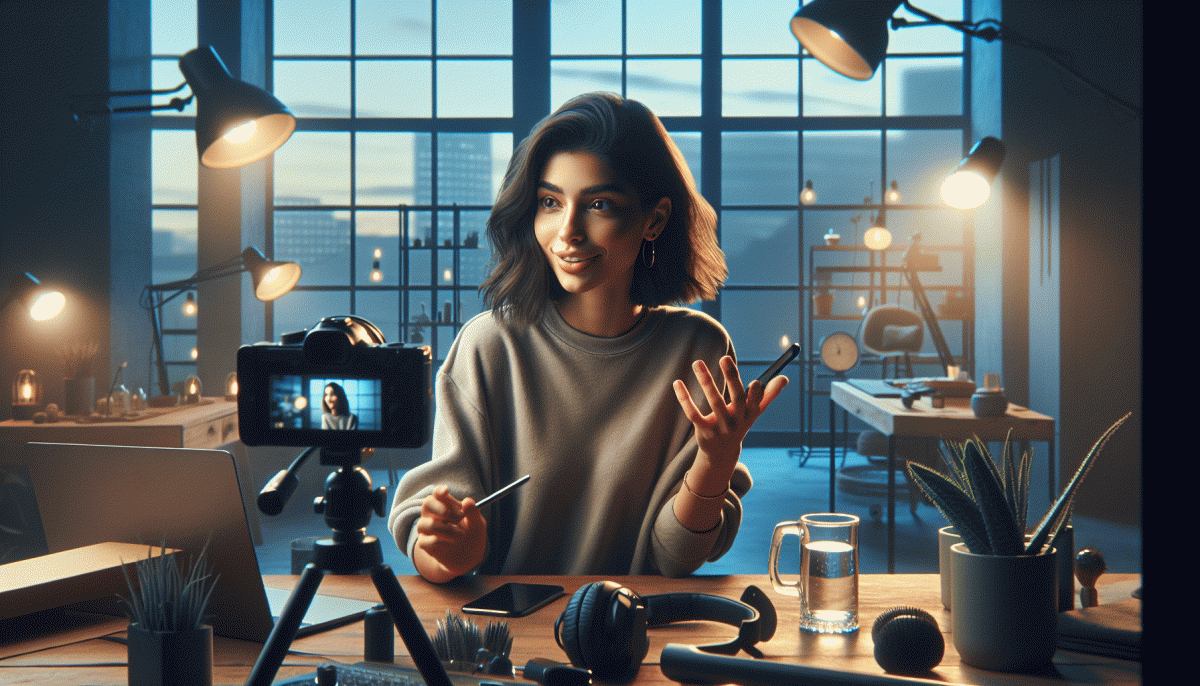
Dead air is the enemy of confidence. Start with a tiny pre-show checklist you actually use: camera framed, mic checked, background tidy, phone silenced, batteries charged. Treat your stream like a short play—every minute has a purpose. Sketch a three‑act run of show on one index card: warm-up, main content, wrap. That single card keeps you onstage without sounding scripted.
Assign tight time windows and simple cues: 10 minutes before — lights/sound/connection; 5 minutes — warm welcome with two quick audience prompts; content blocks of 8–12 minutes each with a built-in transition line; 5–7 minutes of Q&A; and a 2‑minute close that repeats the CTA. Practice the opening line and the handoff sentence between segments until they feel like riffs, not scripts.
Call-and-response cues save you when tech hiccups happen: have the cameraman (or second device) say “3‑2‑1, camera live” and the host respond with “on me” as a heartbeat to start. Use bold, tiny labels on your notes — OPEN, SEGUE, CLOSE — so you can glance and go. If you’re solo, set a visible timer for each block and slot in engagement beats (poll, shout‑outs, rapid tip) to fill potential gaps.
Finally, lock in two fallback lines for every silence: a short anecdote related to the topic and a quick question for the chat. Keep endings formulaic — thank, recap one key takeaway, and a clear next step — so you never flounder at the finish. Run this sequence once before you go live and you’ll trade awkward pauses for polished momentum—no cringe required.
Hooks that stop the scroll and flood your live with real viewers
First three seconds are everything: your live needs a hook that halts thumbs mid-scroll. Use surprise, a strong promise, or a tiny mystery—something visceral like “How I fixed X in 30 seconds” or “Don't delete this — here's why.” Keep it short, loud, and human: speak like a friend, not a script, and lead with emotion rather than features.
Use easy formulas that actually work: bold promise + relevance, curiosity gap, or a quick “you're doing X wrong” callout. Try lines like “Stop wasting time on…” or “The one trick influencers won't tell you.” If you want help amplifying reach, check out buy Instagram boosting to kickstart real viewers and test which hook sticks.
Delivery makes the hook land: tight framing, a fast first cut, and on-screen text that repeats your promise. Drop a visual proof or a mini demo within 15 seconds. Keep energy high but natural—smile, raise an eyebrow, or tilt the camera. Don't be afraid to pause for effect; silence can do the heavy lifting when timed right.
Test, track, and iterate: rotate three hooks across back-to-back lives and watch viewer spikes. Note which ones convert viewers into commenters and save those. If a hook flops, tweak the wording or angle—not the whole idea. Your next live should feel rehearsed but not canned. Try one bold opener this week and measure the lift; embarrassing is optional, effective is inevitable.
Turn one live into seven posts: smart repurposing that sells
You just finished a live that actually went well — now stop hoping the algorithm notices and start farming it. One session can seed a week of posts if you plan the cuts. Think of the stream as raw material: one hero clip, a few micro moments, and a handful of shareable graphics.
- Clip: 60–90s highlight for feed and 15–30s teaser for stories.
- Quote: Bold pull quote as a static card or animated sticker.
- Carousel: Break complex tips into swipeable steps so curiosity keeps people moving.
Edit with intent. Flag timestamps during the live, then export batches: one long form hero, three mid length clips, and three vertical shorts with captions. Keep the first 3 seconds explosive, use captions for sound-off viewers, and name files by type for faster scheduling.
Design choices matter. Make a cohesive visual kit: two thumbnail templates, matching fonts for cards, and subtitle presets so you can churn without rethinking. Crop for platform norms — 9:16 vertical for Reels, 1:1 for grid — and recycle assets across metadata.
If you want a tidy paid nudge to test which slice converts, try small boosts targeted to the clip that drives action. For fast experiments try cheap smm panel to get impressions quickly and learn which format sells before scaling up.
Final checklist: create seven distinct pieces, schedule them across the week, monitor watch time and CTR, and iterate. Do this and your content will feel strategic, not cringe.
Panic proof tech checklist so nothing fails when you press Go Live
Start like a pro: charge every device to 100%, pack extra cables and a power bank, and mount your phone on a stable tripod or clamp. Clean the camera lens, remove bulky cases that cause overheating, and do a quick front and back camera test so framing and focus are predictable.
Lock down connectivity before hitting Go Live: prefer strong Wi‑Fi but have a cellular hotspot as a hot backup, run a quick upload speed check, and close heavy apps. Enable Do Not Disturb and silence notifications so pings do not steal attention mid comment or Q&A.
Sort audio and lighting like a tiny studio: clip on an external lav or use a directional mic, monitor audio with headphones, and record a 10 second test. Position a ring light or soft lamp at about 45 degrees, avoid backlight, and lock exposure and focus to stop the camera from hunting.
Five minute ritual: restart if needed, open Instagram and confirm camera and mic permissions, pin a welcoming comment, assign a moderator or have a helper, rehearse your opening 60 seconds, and keep a second device charged as backup. When you are ready breathe, tap Go Live, and smile.
Read also
Go Live on Instagram Without the Cringe: Steal These Pro Tricks to Wow Viewers

Instagram Live Without the Cringe: The Unfair Playbook They Don't Want You to Use
Live on Instagram Without Embarrassment: Pro Secrets That Actually Work
Go Live on Instagram Without Cringe: The Shockingly Simple Playbook
Stop Guessing: What the Instagram Algorithm Wants From You Right Now