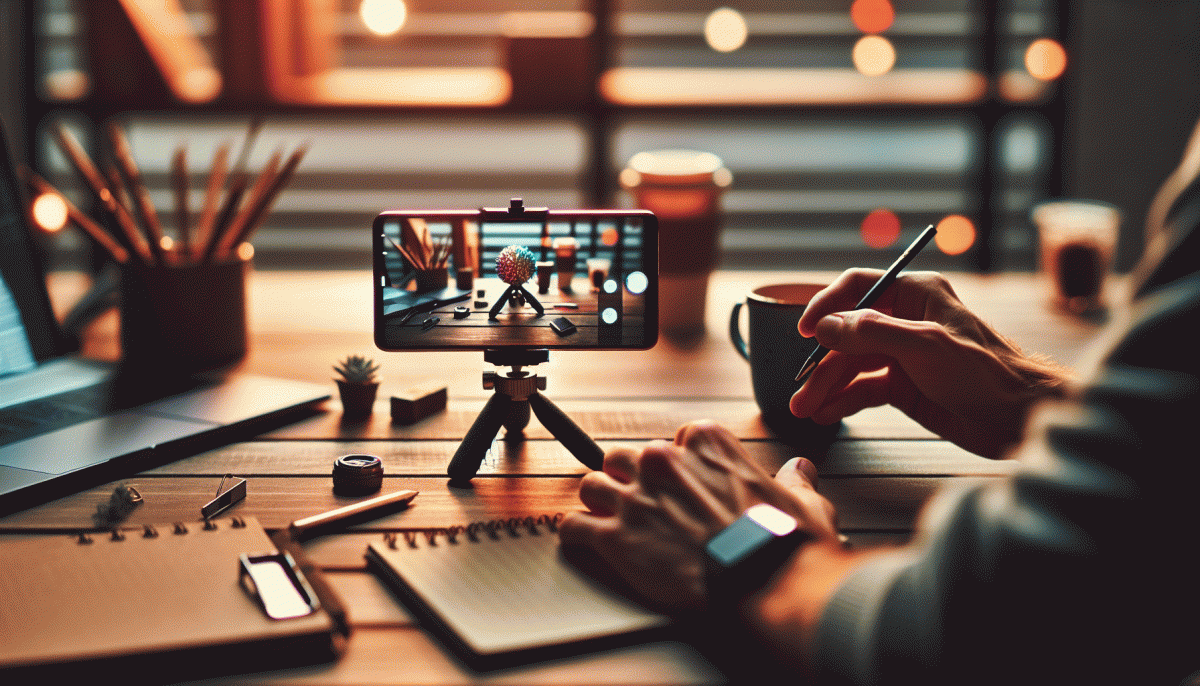
Stop Going Live Wrong: How to Nail Instagram Live (Without the Cringe)
Before You Hit 'Go Live': A 10-Minute Prep That Saves You From Awkward Silence
Ten minutes is all you need to avoid the live-stream dead air. Start with a quick room sweep: silence noisy devices, check that your background is tidy or intentionally messy, and warm up your face and voice for sixty seconds of energy. Plug in or charge devices, open your notes, and line up the first three talking points you want to hit.
Follow a tight minute-by-minute plan so you are never guessing on air: 0:00–1:30 — camera framing and mic check; 1:30–3:00 — lights and background tweak; 3:00–5:00 — record a quick test to confirm audio levels; 5:00–7:30 — rehearse your opening and the first chat question; 7:30–9:00 — pick a short story or demo as a filler; 9:00–10:00 — set your call to action and breathe. If you want a quick boost to your stream numbers, check cheap Twitch boosting service for fast visibility.
Write three micro-prompts on sticky notes: an attention grabber, a midstream question for chat, and a tidy wrap that includes the CTA. Memorize those lines but do not read them verbatim. Have a two-minute backup segment ready — a personal anecdote or a demo — so silence becomes an opportunity instead of an embarrassment. Small visual props help keep eyes on you.
Final pre-live ritual: headphones on, notifications off, lens wipe, and a ten-second silent countdown to prime your energy. Smile, breathe, and imagine the first viewer is a friend. Practice this ten-minute routine a few times before a big stream and you will trade awkward silence for confident momentum.
Lighting, Angles, and Audio: The 3 Easy Fixes That Make You Look Pro
Nobody expects Hollywood lighting, but a few simple tweaks turn shaky, dim streams into something people actually watch. Start tiny: pick a clean background, clear clutter, and give yourself a flattering frame. These three fixes—light, angle, audio—are quick, low-cost, and make you feel less like a nervous host and more like someone who actually knows what they're doing.
Face the light. A window or cheap LED ring is your best friend — avoid sitting with a bright window behind you or the camera will hate you. Soften harsh bulbs with a tissue or white cloth, raise the light slightly above eye level, and lock exposure on your phone so it doesn't search for brightness mid‑stream. You'll look calmer and sharper.
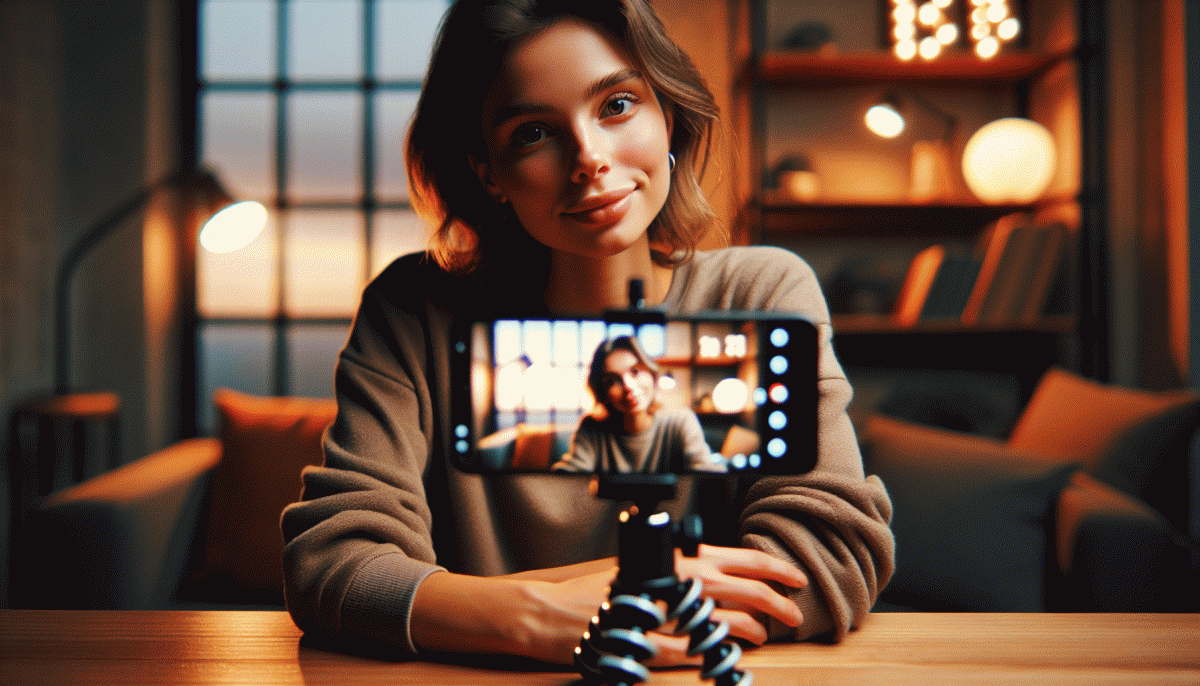
Raise the camera to eye level — no one wants the 'chin-first' view. Keep the lens about an arm's length away for a head-and-shoulders frame, tilt slightly for a natural vibe, and stabilize with a tripod or stacked books. Want more people to find that polish? Check out boost Instagram—but first, get the basics right.
Bad audio ruins good content faster than shaky video. Use earbuds with a built-in mic or a budget lavalier, speak toward the mic, and eliminate room echo with cushions or a rug. Mute notifications, turn off fans, and do a 30‑second sound check before you go live — your audience will notice the difference.
Final rule: practice once privately. Run a two‑minute test to check light, angle, and sound; tweak one thing at a time. Small changes = big credibility. If you nail these, you can focus on your personality instead of technical chaos — and that's where the real sparkle happens.
Chat Like a Host, Not a Deer in Headlights: Scripts, Hooks, and Pacing
People tune in for energy and clarity, not awkward silences. Open with a 10 to 20 second hook that promises a benefit: say what you will solve, name a surprising takeaway, then invite a quick action. Try: "Stay for five minutes and learn one trick to double engagement" or "I will answer two live questions about X." Keep that opener tight and practiced.
Scripts do not have to be rigid teleprompters. Build a three-act flow: welcome, value, wrap. Map rough timings — welcome (0–1 minute), main segment (2–12 minutes), Q&A (12–18 minutes), and final call to action (last 30 seconds). Use short signpost lines like Next up or Quick demo to reset attention and pace.
Write 3 to 5 canned prompts to pull viewers into the chat: a one-line poll, a yes or no, and a specific question asking for examples. For promotional boosts or to plan a consistent schedule you can check tools like YouTube promotion booster that help keep view counts steady while you test openings. Keep each prompt under 12 words so replies are fast and readable.
End every live with a rehearsed closer: recap the main value, call for a next action, and tease the next live. Rehearse transitions aloud until they feel natural. Practice reduces cringe and makes you sound like a host, not a deer in headlights.
Zero Viewers? Do This in the First 60 Seconds to Spike Retention
Start fast. In the first 7–10 seconds give a clear micro‑promise: tell viewers what they will get in the next few minutes and why it matters right now. Smile, move slightly toward the camera, and state the outcome—e.g., "In five minutes you will learn one trick to double story clicks." That little guarantee turns casual scrollers into curious hangers‑on.
Use visual signposts. Switch on a simple title overlay or hold up a prop so the thumbnail stays interesting as people arrive. Pin a short comment that repeats your micro‑promise and an easy call to action like "drop a ? if you like quick tips." A pinned line is a tiny landing page inside the stream and anchors attention better than silence.
Script tiny interactions you can repeat until viewers appear: ask a yes/no question that only needs an emoji, invite people to type where they are watching from, and promise a shoutout five minutes in. Read every reply aloud. Naming the first few commenters makes people feel seen and makes lurkers more likely to stick around.
Think motion, not perfection. Move between two mini segments: a rapid value hit (60–90 seconds), then a quick engagement prompt. Swap camera angles, change the on‑screen object, or bring in a brief guest clip to reset attention. If technical nerves hit, lean into authenticity—people forgive small flubs when the energy is high.
If organic seeding still leaves you flat, repurpose the best 30–60 second chunk into a Reel or short clip and use targeted boosts to seed initial views so retention algorithms can work. For a reliable shortcut you can also consider a service like buy impressions online to put that clip in front of fresh eyes, then run the live again with momentum.
Turn Lives Into Leads: Repurpose, Clip, and Convert Without Extra Work
Treat every Live as a content factory. While you stream, mark moments worth saving with a simple gesture — a clap, a chat cue, or a typed marker like SHOW. After the session, open the recording within 24 hours and scan for those markers; they become your map so you do not waste time hunting for gems later.
Adopt a three-move repurpose routine: Extract the 15–60 second highlights; Polish them with punchy captions, subtitles, and a small branded thumbnail; Schedule multiple drops across platforms. Keep each clip focused on one idea or one answer so viewers land fast, share easily, and remember what you said.
Make clipping frictionless with simple tools that support markers and batch export. Use phone editors, Descript, or any lightweight editor with auto-transcribe and trim presets. Aim for a set of clip lengths — 15s for Stories, 30–45s for Reels and Shorts, 60s for carousel intro — and create caption templates and CTAs to paste in so you never start from scratch.
Crosspost with intent rather than autopilot. A Reel gets discovery, a Story builds urgency, a carousel adds depth, and a short newsletter pulls people to the full replay. Tweak the first two seconds, the caption angle, and hashtags per platform to target curiosity, education, or conversion. Small tweaks multiply reach without big extra effort.
Convert clips into leads by baking in micro CTAs and automation. Pin a clear CTA in the replay comments, add clips to a highlights reel, drop a transcript into an email that delivers a lead magnet, and tag each link with simple tracking. Do this once per Live and you will turn a single stream into weeks of lead-generating assets without hosting extra sessions.
Read also
Go Live on Instagram Without the Cringe: Steal These Pro Tricks to Wow Viewers

Instagram Live Without the Cringe: The Unfair Playbook They Don't Want You to Use
Go Live on Instagram Without Cringe: The Shockingly Simple Playbook
You’ve Been Doing Instagram Live Wrong—Do This Before You Hit ‘Start’
Live on Instagram Without Embarrassment: Pro Secrets That Actually Work