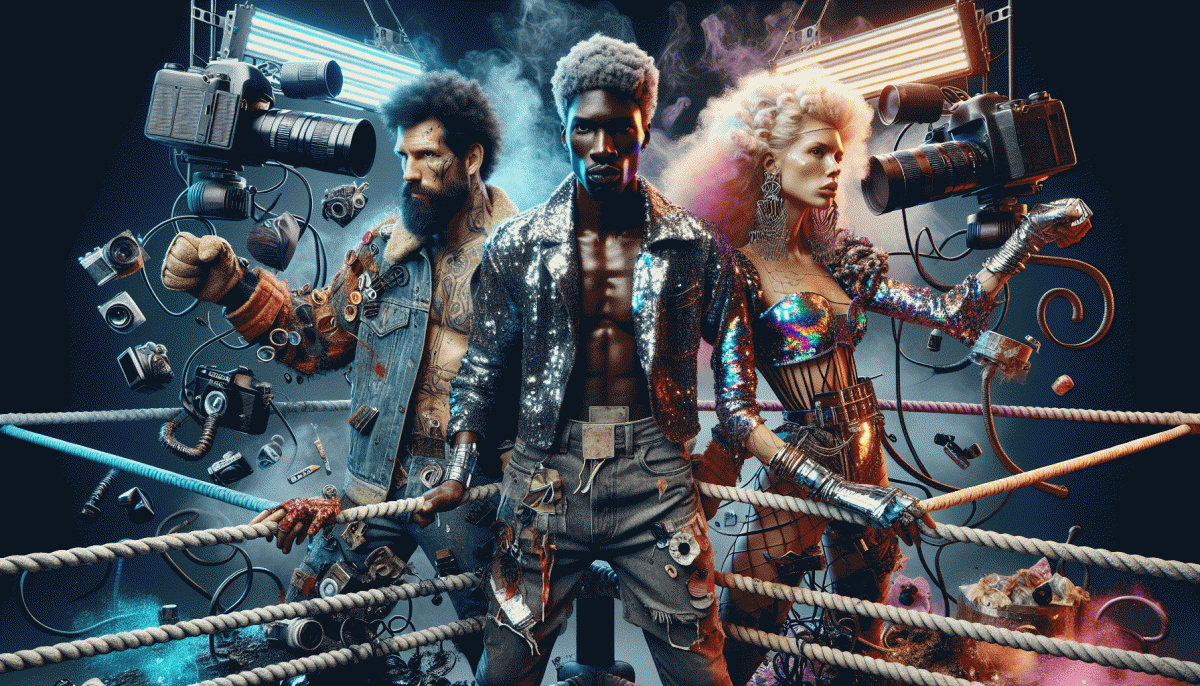
Raw vs. Flashy vs. Weird: We Tested Them All—Guess Who Crushed It
The Raw Truth: Why Imperfect Content Converts like Crazy
People lean into tiny imperfections because they scream \"real\" in a feed full of staged perfection. A shaky hand, a mid-sentence laugh, or a coffee mug in frame signals there's a human behind the message — and humans buy from other humans. That raw edge collapses the distance between creator and viewer faster than any glossy montage, turning curiosity into clicks and scroll-stopping attention into action.
Why does this work? Imperfect content lowers the guard: it feels less like an advertisement and more like a recommendation from a friend. Imperfections create trust, increase relatability, and invite comments and shares because viewers see themselves in the messiness. That social proof then compounds — one authentic reaction encourages another, and suddenly your conversion metrics start behaving like they're in on a secret.
Make it practical: film on your phone, keep edits short, and embrace candid audio over perfectly produced voiceovers. Show the process, the bloopers, the tiny failures that led to the win. Use conversational CTAs (\"Wanna see how I fixed this?\"), not corporate pitches. Don't polish everything away — polish the idea, not the humility. A five-second authentic clip can beat a thirty-second cinematic spot when the goal is trust and action.
Test it fast: run an A/B where one creative is deliberately raw and the other is refined, then compare engagement and conversions. If the raw variant wins, scale it with variations instead of overproducing the original. The trick isn't sloppiness; it's strategic authenticity that nudges strangers to become customers.
Flashy for the Win? When Polish and Pop Actually Pay Off
In a landscape where attention is a currency, polish and pop are the fast cars that get you noticed. Flashy doesn't mean soulless — it means intentional sparkle: crisp typography, a confident color story, and a hero visual that says 'this matters' in two seconds. When your product's value is easy to understand but easy to miss, giving it polish turns curiosity into clicks without betraying the brand.
Flashiness pays when choice overload or noise makes clarity scarce: think direct-to-consumer launches, seasonal campaigns, app store creatives, or social ads aimed at first-time buyers. It's especially effective on platforms where swipe speed rules — short videos, carousel ads, and bold thumbnails cut through. Use polish to shortcut trust: clean design increases perceived quality, motion guides attention, and a clear promise reduces friction.
Make it tactical: pick one dazzling element and do it really well — a 3-second hero loop, a headline that names the problem, or color that leaps from feeds. Prioritize readable typography, contrast for thumb-scrolling speed, and a single call-to-action. Front-load social proof: one strong logo strip, a star rating, or a tiny testimonial can lift conversions significantly. Aim for a measurable uplift (10–30% CTR, smaller but meaningful conversion gains) and track.
But don't over-gloss: flash without substance bounces. Treat polish as a conversion amplifier, not a cover-up. Run quick A/B tests, preserve the product's personality, and scale the shiny bits that deliver ROI. If you only remember one thing: use polish to make the promise impossible to ignore, then let the product keep it.
Get Weird or Go Home: Standing Out Without Freaking People Out
Being weird is a strategy, not a stunt. It moves attention by offering a slight puzzle rather than a blunt demand. Start by redefining one predictable piece of your feed: change the color palette for a week, narrate with an unexpected voice, or give a product an alter ego. The aim is to spark conversation without making people feel like they are on the wrong channel.
- Spark: Use a small visual twist that prompts double takes — a cropped perspective or one surreal prop.
- Persona: Adopt a quirky narrator for a limited run to test tone shifts.
- Edge: Insert a mild rule-breaker, like playful profanity replacement or backwards captions, then measure dropoffs.
Run controlled experiments and be kind to metrics: compare time on post, comment sentiment, saves and share rates. Allocate a modest budget or a small audience pool to avoid overexposure. If engagement rises but sentiment sours, dial back and iterate. If shares increase, lean into that flavor and create a sequenced series that builds momentum without alienating core fans.
When platform nuance matters, get platform-specific playbooks at Instagram marketing online. Use those blueprints to map safe escalation steps, scripts for moderation, and templates that keep experiments branded and reversible so weird can scale without combusting reputation.
Finally, treat weird as a muscle: warm up with one piece a week, log reactions, and prune what confuses. Combine curiosity with constraints and you provide permission to stand out without alienating the people you want to keep. Small bets, fast feedback, clear guardrails — that is how weird wins.
Battle Test: A/B Ideas, Metrics That Matter, and Quick Wins
Think of A/B testing as a speed date for creative: toss the raw, the flashy, and the weird into separate rooms, time interactions, and see which one earns a second date. The trick is not to obsess over aesthetics alone but to align each variant with a single measurable question—does this move people toward the tiny next step you call a conversion?
Track a tight set of KPIs. Start with CTR to see attraction, engagement rate for stickiness, and conversion rate for actual value. Add retention if you work with recurring touchpoints and cost per conversion to keep growth profitable. Prioritize what affects your bottom line and kill vanity metrics quickly.
Quick wins you can deploy today: swap one headline, test three thumbnails, or change the CTA color and copy. Run each test for a statistically reasonable sample not time. Segment results by audience slices so you can spot if weird wins among high-value users while flashy performs for casual scrollers.
If you want to scale experiments and get reliable signals fast, pair these tests with targeted distribution. Try YouTube boosting to push variants into real feeds and accelerate learning without breaking the budget.
Your Playbook: Pick the Right Vibe for Your Brand in 10 Minutes
Start here: set a 10‑minute timer and run three quick diagnostics. Minute 1–3: audience check — who buys, where they hang out, and what they already consume. Minute 4–7: brand match — pick raw if authenticity matters, flashy if you need eyeballs fast, weird if you want die‑hard fans who trade merch. Minute 8–10: proof sprint — sketch one 15‑second concept for each vibe and choose the idea that's easiest to execute and truest to your voice.
Look for these shortcuts: low budget and intimate product = raw; short buying cycles or showy benefits = flashy; niche audiences with inside jokes = weird. Platform spices the recipe: TikTok rewards hooks and oddball edits, Instagram leans toward polished visuals, and Twitter/Rumble favor sharp takes. If your posts get saves and DMs, you're flirting with raw or weird; if they drive link clicks, flashy probably converts better.
Run three micro‑experiments: raw — a shaky behind‑the‑scenes clip (watch DMs and comments); flashy — a punchy montage with a clear CTA (track clicks and conversions); weird — a baffling hook that begs explanation (measure watch‑through and shares). Launch all three on your primary platform, give each 72 hours, and compare relative engagement rates — engagement per thousand impressions beats vanity view counts.
Before you publish: confirm a thumb‑stopping hook, a one‑line caption, a single KPI to monitor, and who's owning iteration. Don't overthink it — you're testing flavor, not chiseling a statue. If one vibe wins, double down quickly, copy the winning structure, and iterate in small batches until you've found the tone customers actually buy into.
Read also

We Tested 7 Instagram Post Formats—Guess Which One Crushed Engagement?

Raw vs. Flashy vs. Weird: We Ran the Showdown—Guess Which Style Actually Wins?

Raw, Flashy, or Weird? The One Style That Crushes Conversions Might Surprise You

Raw vs. Flashy vs. Weird: The Showdown Your Brand Didn’t Know It Needed

Stop Scrolling: Hooks That Actually Work in 2026 — We Tested Them So You Can Skip the Guesswork