
Raw vs Flashy vs Weird: The Shocking Winner of Creative Style You Did Not See Coming
Raw: Unfiltered stories that build instant trust
People are wired to respond to imperfection. A candid voice, slightly messy footage, or a line that feels unscripted signals a human on the other side. That immediate recognition becomes currency: attention turns to curiosity, and curiosity turns to trust. Start small — a burned cake story, a backstage view, a frank caption explaining why a project took longer than expected — and watch doors open.
Trust grows when signals align: consistency, specificity, and vulnerability. Give precise details — time stamps, small failures, real numbers where they matter — and pair them with regular follow up. Resist the urge to polish every sentence. When audiences see repeatable honesty across formats they begin to believe not just your message but your motives, which is the fast lane to loyal followers and better feedback loops.
Practical moves: record three 30-second clips on your phone this week about one mishap and one small win. Turn direct messages into anonymous testimonial blurbs. Create a raw highlight reel labelled what we learned and pin it. Use captions that admit uncertainty and ask for input. Small transparency experiments reduce risk and reveal what content resonates without burning production budgets.
Measure impact with friendly metrics: reply rate, repeat shares, meaningful comments, and new follows that come after a vulnerable post. If engagement nudges upward, double down by building a micro-series that revisits the same people or problems over time. Authenticity does not mean lazy — it means deliberate honesty that converts strangers into fans and fans into collaborators.
Flashy: Dazzle, sparkle, and the ROI behind the shine
Flash comes alive when color, motion, and a tiny promise collide — think neon hooks and thumb-stopping transitions. The goal is not empty sparkle but a quick cognitive nudge that makes viewers pause, smile, or gasp and then remember your message.
Where flashy pays off is measurably simple: elevated attention generates more impressions and creates a shorter path to engagement metrics marketers care about. Pair a bold visual with a clear next step and the shiny treatment converts curiosity into testable outcomes you can optimize.
- Reach: Flashy assets grab discovery slots and increase share potential in feeds.
- Engagement: Movement and contrast boost clicks, likes, and short-form watch time.
- ⭐ Conversion: When paired with a clear CTA, shine can shorten decision time.
Of course, glitter has gravity; overdo it and shine becomes background noise. Use flair to amplify substance by anchoring every spark with a concise benefit, social proof, or utility so spectacle never reads as shallow or misleading.
Quick playbook: test 3-second thumbnails, try alternate color contrasts, measure retention at 3, 7, and 15 seconds. Start small, scale what actually moves metrics, and repurpose winning frames across ads, stories, and landing page hero images to multiply ROI.
Treat flashy like seasoning, not the whole meal. Let the shine open doors, then let product and community walk through. Keep a dashboard of attention-to-action ratios and you will find the kind of shimmer that truly pays.
Weird: Quirk your way to thumb-stopping fame
Weird wins when it is deliberate, not random. Choose one eccentric throughline that can thread every piece of output: a prop, a voice, a recurring visual gag, or a worldview that reframes ordinary scenes. Train your brain to ask what makes this awkwardly delightful and then amplify that element until followers can spot your signature in a single frame.
Small, repeatable rituals scale weird into recognizability. Try to lock onto one and iterate fast:
- Character: Create an alter ego with consistent beats so viewers instantly recognize the energy.
- Twist: Keep a common format but end with a surreal flip that lands like a joke.
- Microworld: Build tiny rules or props that invite fans to play along or remix.
Test weirdness in microdoses: a two second beat, a repeated sound, or a prop change. Measure reactions by comments, saves, and rewatches rather than vanity likes. For faster experimental reach use YouTube boosting service to seed early playbacks and get clearer signals on what to double down on.
When something strange takes off, convert it into a format you can repeat and remix. Make short templates, give viewers a call to join the pattern, and schedule variant drops so the algorithm learns your new rhythm. Weird will get eyes; smart iteration turns eyeballs into a loyal, quirky community that shows up every time you tilt toward odd.
Instagram face-off: What actually wins the swipe
Stop trying to outshine the scroll with polish alone. On Instagram the decision to swipe or keep scrolling happens in less than a heartbeat, so the visual must land like a tap on the shoulder: quick, unmistakable, and slightly irresistible. That means a clear focal point, a human face or motion cue, and a single visual idea that reads even at tiny thumbnail size.
Actionable rule: lead with emotion, not effects. Close faces with a readable expression win more swipes than overproduced setups because people are wired to mirror feelings. Use a bold contrast or a simple frame to isolate the subject, drop extra text, and make sure the first three seconds of any video explain why the viewer should care. Test a static close up, a short movement clip, and a surprising visual every week to see which hook pulls.
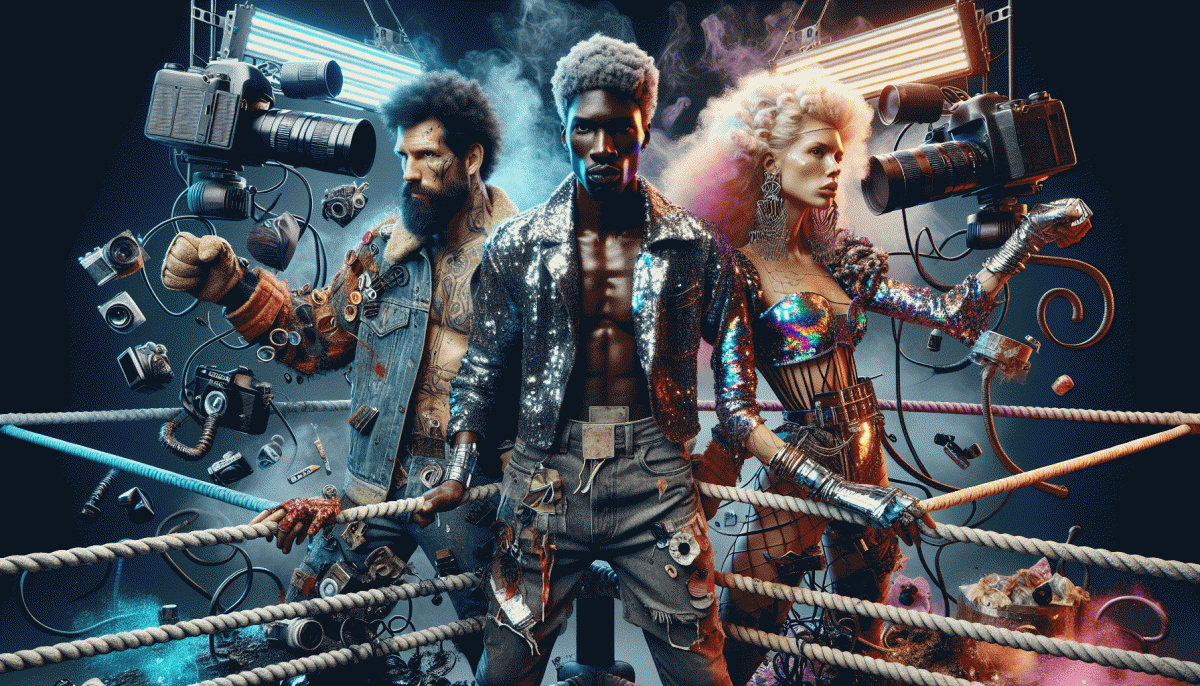
How raw, flashy, and weird actually perform: raw content builds trust and pause, flashy grabs immediate double taps, and weird content forces a look out of curiosity. None are wrong, but placement and intent matter. Use raw for storytelling and saves, flashy for discovery moments and ad spend, and weird as a tactical curiosity spike. Blend them: a candid face with a strange prop can combine trust and novelty in one thumbnail.
Want to scale wins without guessing? Test three variations per post, track swipe and watch time, then double down on the winner. For tips and growth tools that make testing quick, check out real Facebook marketing site for ideas you can adapt to Instagram and run today.
The choose-your-style playbook: Raw, Flashy, or Weird
Treat style like a playbook, not a gut whim: start by naming your audience, your budget, and how much weird you can tolerate. This mental checklist keeps choices pragmatic and prevents flip flopping when metrics arrive. Also decide your success metric: attention, revenue, or community.
If you pick raw, commit to transparency: drop the filters, show the drafts, narrate the mistakes. Action items: film a 2 minute behind the scenes, post a candid daily update, and highlight one small measurable win each week to build trust. Use captions and subtitles to keep reach high across mute autoplay.
Flashy demands choreography. Invest in a bold opener, a repeatable visual rhythm, and a directional CTA. Quick experiments: test two color palettes, A/B the first three seconds, and buy modest boosts for top performers to jumpstart momentum without burning budget. Prioritize thumbnails and first frames to win scroll attention.
Weird is permission to be unusual but precise. Prototype odd ideas on low risk channels, collect qualitative reactions, then double down on the quirks that create conversation. Keep a simple rule: if something breaks silence and sparks debate, it is working. Log the odd hits and identify their common signal.
Decide, test, iterate. Match style to goal and resource level, run short experiments, measure engagement, and let data pick the unexpected winner. Often the shock value is not one big moment but steady choices that amplify what resonates.
Read also
Raw vs Flashy vs Weird: The Creative Cage Match No One Saw Coming

Raw, Flashy, or Weird? The One Style That Crushes Conversions Might Surprise You

Raw vs. Flashy vs. Weird: We Ran the Showdown—Guess Which Style Actually Wins?

Raw vs. Flashy vs. Weird: The Showdown Your Brand Didn’t Know It Needed

Organic vs Paid vs Boosted: The Follower Growth Winner You Did Not See Coming