Go Live on Instagram Without the Cringe: The Playbook You'll Wish You Had Sooner
Prep Like a TV Host: Lighting, Framing, and a 30-Second Tech Check
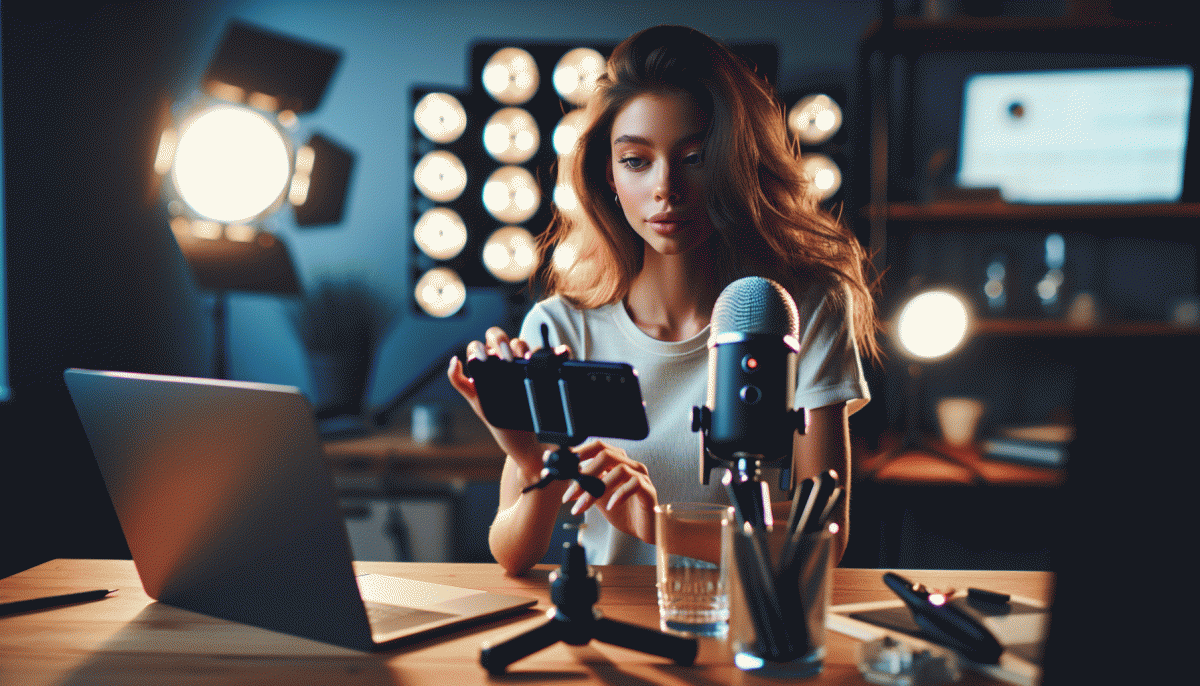
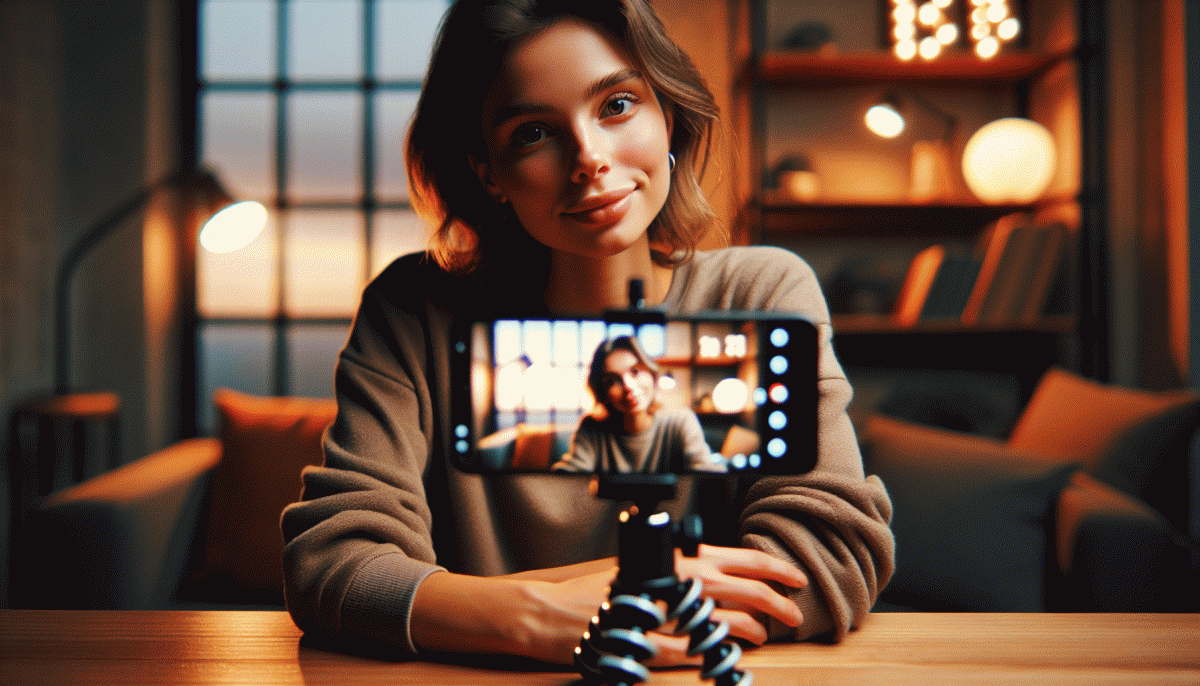
Think like a TV host: light is story. Position a key light (soft, slightly above eye level) to flatter, add a fill on the opposite side so your face doesn't turn into a cave, and toss in a subtle backlight for separation. If all you have is a window, face it; if you have a ring light, lower it a hair to avoid the "alien forehead" gleam. Small diffusers = big upgrade.
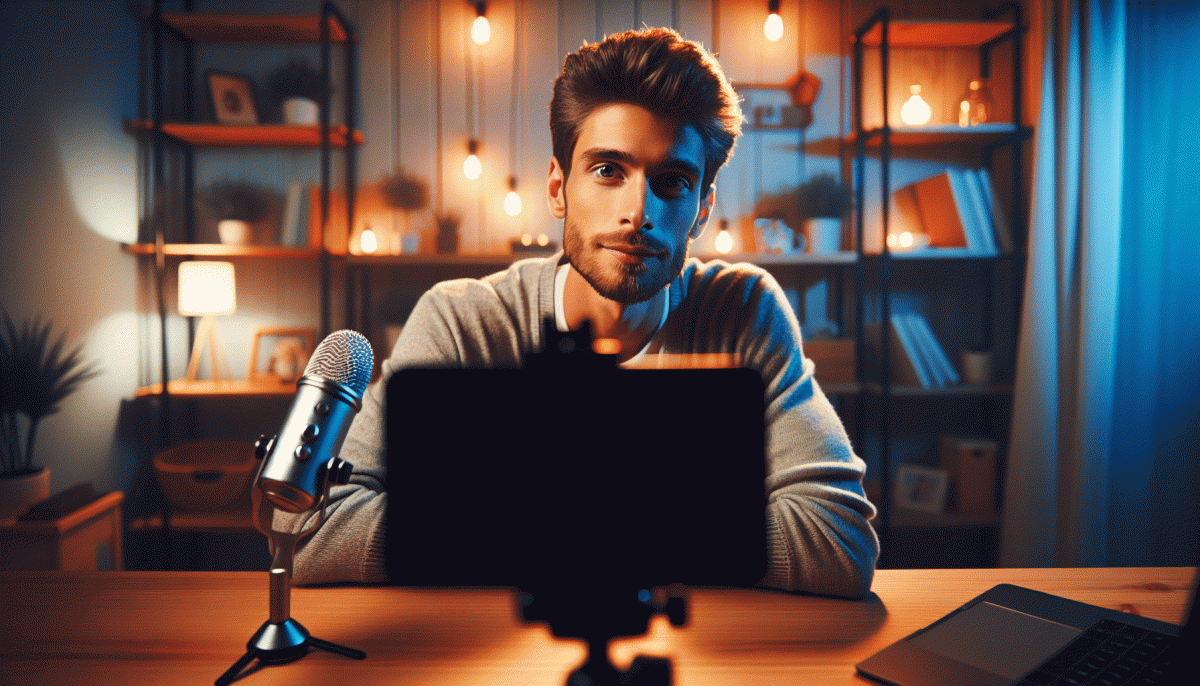
Frame like a pro: camera at eye level, not from your forehead or your belly. Use the rule of thirds—eyes on the top third line—leave comfortable headroom and a bit of breathing space. Declutter the immediate background and add one telltale prop that hints who you are. Want momentum at launch? Consider buy fast Instagram followers for an initial audience spark.
Now the 30‑second tech check you can run with your eyes closed: plug in power, mute phone notifications/enable Do Not Disturb, confirm microphone and camera in settings, toggle autofocus off if it jitters, quick audio test with headphones, and peek at upload speed. If you use external gear, glance at battery meters. If something's off, reboot the app and try the preview—usually fixes the last-minute gremlins.
Final flourish: rehearse a 30‑second opener that says who you are, why people should stay, and a clear call to action. Smile just before you hit live (it changes your voice), keep a glass of water nearby, and pin three bullet talking points beside your camera. The goal is to look calm and prepared, not like you've been dragged from a mosh pit—practice these five minutes and your first minute will feel like TV.
Hook 'Em in 10 Seconds: Cold-Open Scripts That Stop the Scroll
First 10 seconds decide whether you earn attention or cause a scroll. Open with a tiny promise, a quick surprise, and an obvious payoff — in that order. Use a single-sentence teaser that says: 'I tried [weird hack] for 7 days and my [specific result] changed — here's the 30-second breakdown.' That combo signals value, emotion, and speed so people stick around.
Swap the generic intros for one of these ready-to-run cold opens and adapt the words to your niche:
- Shock: '60% of creators are doing this wrong' — flash a stat or before/after and say 'don't be them.'
- Tease: 'I'm about to show you a 10-second trick that doubles [result]' — promise an immediate win and deliver a clip.
- Demo: 'Watch this: I'll fix X in 7 seconds' — do the action live, then explain.
Delivery wins more than perfection: lean in, cut to a close-up in the first 2–3 seconds, use a sharp vocal rhythm, and add a quick caption that repeats the hook. Keep camera moves minimal, energy high, and end that first 10 seconds with a tiny curiosity CTA like 'Stay for the last step' or 'Wait for the twist.' Practice the line until it feels conversational, then record.
Make it a habit: rehearse three hooks per topic and A/B test. Template to steal: 'I did X for Y days and my Z changed — here's the proof in 30s.' Swap X/Y/Z for your niche, and don't over-explain — leave a gap people want filled. Nail the opening and the rest of the stream becomes easier, bolder, and a lot less cringe.
Chat Chaos, Tamed: Easy Systems for Comments, Trolls, and FAQs
Think of your live chat like a lively neighborhood bar: warm, loud, and occasionally someone gets too loud. Stop treating chaos as a surprise and build a pregame instead. Brief two moderators on tone and escalation, enable word filters, and pin a friendly opening comment that lists rules and the three most asked questions. Do a quick features test before you go live so surprises stay off stage.
Divide comments into three lanes: Signal for genuine questions, Shields for abuse/trolls, and Speed for quick wins like links or coupon codes. Give moderators three canned replies they can paste in one tap and a one‑line escalation script to bring something to your attention without derailing the show. Use slow mode during busy moments so real viewers get heard and repeat nonsense gets throttled.
Automate the repetitive stuff: keep a clipboard file of canned answers, common links, and a short DM template for follow ups. Rotate a pinned comment to answer the top FAQ and schedule that pin to appear right after you start. If you want bigger audiences so your system gets real‑world stress testing without embarrassment, try boost Instagram options to scale safely and learn faster.
Finish with two rehearsed moments in every stream: a 30‑second welcome that sets chat expectations and a 15‑second FAQ blast where you read three top questions aloud. That predictability cuts typing, reduces repeat questions, and turns trolls into harmless background noise. Small systems, practiced often, equal confident live shows that feel effortless, not cringe.
Engage Without Awkward Pauses: Games, CTAs, and Seamless Segues
Start with a tiny ritual that kills awkwardness before it begins: a 60 to 90 second opener that is equal parts friendly hello and guided activity. Offer two simple options and ask viewers to vote in comments, show a prop and name it, or begin with a rapid fire question. Those first reactions create momentum and short circuit silence.
Keep CTAs micro and surgical. Ask for a single emoji to register agreement, pin one clear ask in chat, and use a short countdown to move people from passive to active. After the stream, repurpose the best 30 to 60 second moments and boost YouTube to widen reach and reward viewers who stuck around with polished clips.
Master transitions by chaining activities: when a game ends, use a two line segue like, "Great takeaways—ten second reset while I load the next slide, then Q and A." Add a visible cue such as a timer graphic or a quick music sting. That gives viewers a predictable rhythm and fills the space without forced chat filler.
Finally, create a three item live toolkit: one ready game, one micro CTA, one fallback topic. Prewrite three segues, queue one poll, and have a short outro that teases what is coming next. With this structure the live feels edited in real time, not improvised, and awkward pauses become part of the set design instead of a distraction.
Replay Gold: Turn Your Live Into Clips, Captions, and Sales Funnels
Treat your live as a season not a single episode. When the camera stops, the work begins: mine timestamps for the funny line, the aha moment, the objection handled, and the testimonial. Each moment becomes a snackable clip that draws viewers back to the full replay and into your funnel. Keep a list of 8 to 12 highlight timestamps as your content map.
Edit with speed. Export the show as one file, then chop into 15 to 90 second clips. For vertical platforms crop to 9:16, for feeds use square. Add subtitles that start with a micro hook in the first two seconds. Aim to produce 3 to 5 clips per 30 minutes of live content and batch schedule them across two weeks.
Write captions that do the heavy lifting. Use a three line template: Hook: one sentence, Value: two lines explaining benefit, CTA: simple next step. Paste a short transcript under each post so search engines and platform algorithms can find your material. Test three CTAs: join list, watch replay, book a call and note which one converts best.
Turn clips into a funnel. Top of funnel use clips to attract and retarget viewers who watched 5 seconds or more. Mid funnel send a replay with an email sequence highlighting the best clip and an irresistible offer. Bottom funnel retarget high viewers with a custom creative and a direct buy link. Repeat, measure, refine and celebrate the compound returns.
Read also

Instagram Live Without the Cringe: The Unfair Playbook They Don't Want You to Use
Go Live on Instagram Without Cringe: The Shockingly Simple Playbook
Go Live on Instagram Without the Cringe: Steal These Pro Tricks to Wow Viewers
Live on Instagram Without Embarrassment: Pro Secrets That Actually Work

Automate This, Write That: The Marketing Playbook You Will Wish You Had Sooner