
You Won't Believe Which Style Crushed It: Raw vs. Flashy vs. Weird
Raw: Imperfect, Unfiltered, Irresistible—When Keeping It Real Outperforms Polish
When a creator keeps the grit and grain, audiences stop scrolling and start staying. Imperfect clips, candid voice notes, and offhand confessions cut through slick feeds because people trust people more than polish. Raw is not lazy; it is strategic: it trades flawless production for emotional currency, and that currency buys attention, shares, and repeat visits.
Start small and measurable. Try one micro experiment this week to see how authenticity moves metrics. Here are three quick tactics to test immediately:
- Honesty: Leave in a small mistake or an offscript line to humanize the clip and invite comments.
- Pacing: Keep edits minimal and scenes short so momentum carries viewers through the whole piece.
- CTA: Ask a specific, tiny prompt that invites a short reply or a share instead of a vague plea for likes.
This approach tends to outperform polish when the goal is community growth, retention, or genuine shareability. Behind the scenes product demos, spontaneous Q and A clips, and unscripted customer moments build trust faster than glossy ads. Post one raw piece this week, watch comments and saves, and iterate on what feels real to your audience.
Flashy: High-Gloss Visuals That Stop Thumbs (But Do They Convert?)
High‑gloss visuals stop thumbs because humans are wired for contrast and polish. But glitter is not a strategy: shiny creative grabs attention, sets expectations, and can prime viewers for a click — or set them up for disappointment if the landing experience does not match the promise. Treat flashy as the bait; conversion happens when design, copy and UX deliver on that glitter.
Use polish to shortcut trust: crisp product shots, consistent color systems, and motion that guides the eye. On platforms with fast scrolling a glossy thumbnail or a perfectly framed short clip lifts view rates and shareability. Still, flashy can mask weak offers — if people click and bounce, you paid for applause, not action. Run A/B tests and optimize for downstream value, not just impressions or likes.
- Hero: One focal subject and 30–40% negative space so the eye lands on the CTA.
- Compress: Serve optimized formats and sensible resolutions so polish doesn't kill load times.
- Match: Keep ad visuals and landing pages visually consistent to avoid cognitive dissonance and dropoff.
Measure the right signals: CTR, landing‑page conversion rate, time on page, and post‑click retention to see if glossy actually moves the business needle. Run short holdouts comparing flashy, raw, and weird variants to learn what drives sustainable action. If glossy wins, lock it into templates and brand rules; if it loses, mine the elements that did work (color, face, motion) and graft them into whatever style converts. Shiny attracts — but only aligned value converts.
Weird: Delightfully Offbeat—the Science of Strategic Oddity
In a feed full of polished confessions and flashy stunts, a well placed oddity reads like a secret handshake. Strategic oddity is not just quirk for quirk's sake; it is a deliberate mismatch that forces attention. The goal is a productive pause that turns skimming into engagement, so that the weird detail becomes the memory hook that leads people back to your message.
There is real science under the silliness: novelty lights up attention systems and boosts encoding, while surprise primes conversation. That makes odd choices a force multiplier when they are tied to meaning. Follow this compact rule: Surprise + Relevance = Share. If the strange element signals something useful about your offer, it will invite clicks and social signals rather than scorn.
Make it actionable with small experiments. Try one visual anomaly, a headline that reframes the problem in a delightfully strange way, or a microcopy CTA that breaks pattern and invites a double take. Run fast A/B tests and watch CTR, time on page, comments, and shares. Measure sentiment as well as volume: more chatter with positive intent means the oddity is converting curiosity into affinity.
Manage risk by using oddity as a dial, not a sledgehammer: prototype on a small segment, keep a clear follow up line that translates the weird into benefit, and document what moves metrics. When calibrated, delightfully offbeat choices move brands from invisible to unforgettable, giving you the edge between being merely seen and being talked about.
Battle Metrics: Engagement, Saves, Shares, and Sales—Who Wins Where
Metrics are your scoreboard: engagement (likes + comments), saves, shares, and sales each tell a different story about attention and intent. Think of engagement as applause, saves as bookmarks for later, shares as referrals with megaphones, and sales as the cashier ringing. Treat them separately—one campaign can win applause but limp at checkout. Track them separately and watch how they interplay over time.
Raw content—imperfect lighting, candid voice—usually wins saves and trust because people file it for realness. Flashy content—polished edits, fast cuts—pulls shares and broad visibility, especially on algorithmic platforms hungry for watch time. Weird content trades predictability for viral spikes: it's the comment-bait and conversation starter that can lift engagement dramatically but may not convert without a follow-up hook.
Actionable switch-ups: add a quick 'save this' micro-CTA for tutorial moments, layer a shareable one-liner for flashy clips, and end weird experiments with a clear value link so curiosity becomes conversion. Also test thumbnail frames and caption-first hooks for faster wins. If you need a lift to test those hypotheses at scale, consider order Instagram boosting to seed initial engagement and speed A/B cycles.
Measure like a scientist: isolate a metric per test, run short bursts, compare retention and downstream sales, and double down on what moves the needle for your business. Set a baseline, then push creative variance in 10–15% increments. In short—match style to objective, optimize the hook, and keep experimenting; the style that 'crushed it' depends entirely on which trophy you want to take home.
How to Choose Your Champion: A 3-Step Style Selector You Can Use Today
Think of picking a style like choosing a champion for a ring: do you want punchy honesty, fireworks, or the oddball that becomes a cult classic? This mini 3-step selector strips anxiety and gives a quick, usable rubric—no fluff. In practice you'll end up testing, not guessing, and that's the difference between an experiment and a coin flip.
Step 1 — Define objective & audience. Ask: is your aim awareness, trust, or shareability? Score each on a 1–5 scale for your campaign. Raw tends to win trust because authenticity scores high, flashy wins reach since visual polish drives impulse clicks, and weird wins shareability because oddball hooks spark conversations. Turning gut feel into numbers makes tradeoffs visible and fast to act on.
Step 2 — Audit resources and skills. Can your team produce high-quality flashy content daily, or are you better at candid behind-the-scenes moments? If production capacity is low, lean raw; if you have a designer and budget, go flashy; if you've got a bold creator with quirky instincts, try weird. Prototype one 15–30 second piece in each style and run a small-audience test for 72 hours.
Step 3 — Measure the right signals quickly. For raw, watch comments and DMs; for flashy, track reach and view-through; for weird, focus on shares and re-share ratio. Use a 7-day decision window and set a clear threshold (for example, 20% lift versus your baseline KPI). If nothing clears the line, iterate the creative rather than switching platforms.
Final micro-plan: score objectives, match capabilities, run three micro-tests, pick the winner, and double down. That's your style selector in action—quick, repeatable, and mercilessly practical. Try it on your next post and report back: which champion crushed it for you?
Read also

Raw vs. Flashy vs. Weird: We Ran the Showdown—Guess Which Style Actually Wins?

Raw, Flashy, or Weird? The One Style That Crushes Conversions Might Surprise You

We Tested 7 Instagram Post Formats—Guess Which One Crushed Engagement?

Raw vs. Flashy vs. Weird: The Showdown Your Brand Didn’t Know It Needed
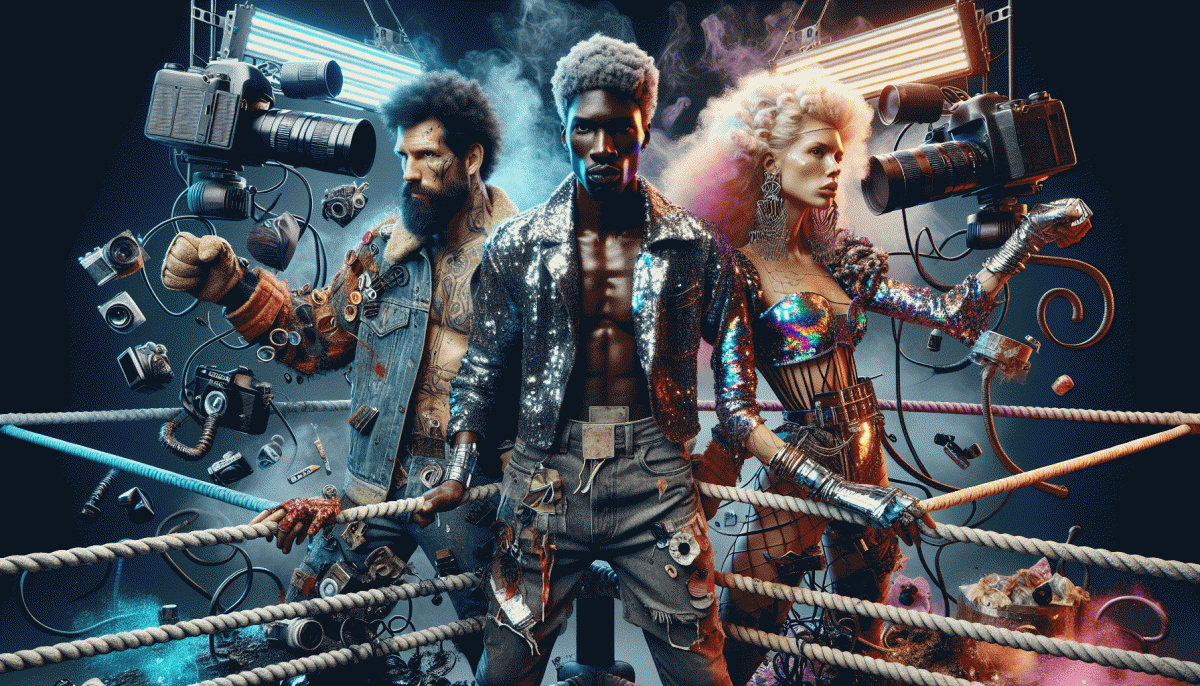
Raw vs Flashy vs Weird: The Creative Cage Match No One Saw Coming