
You’ve Been Doing Instagram Live Wrong—Do This Before You Hit ‘Start’
Set the Scene: 60-Second Tech Check That Saves Your Reputation
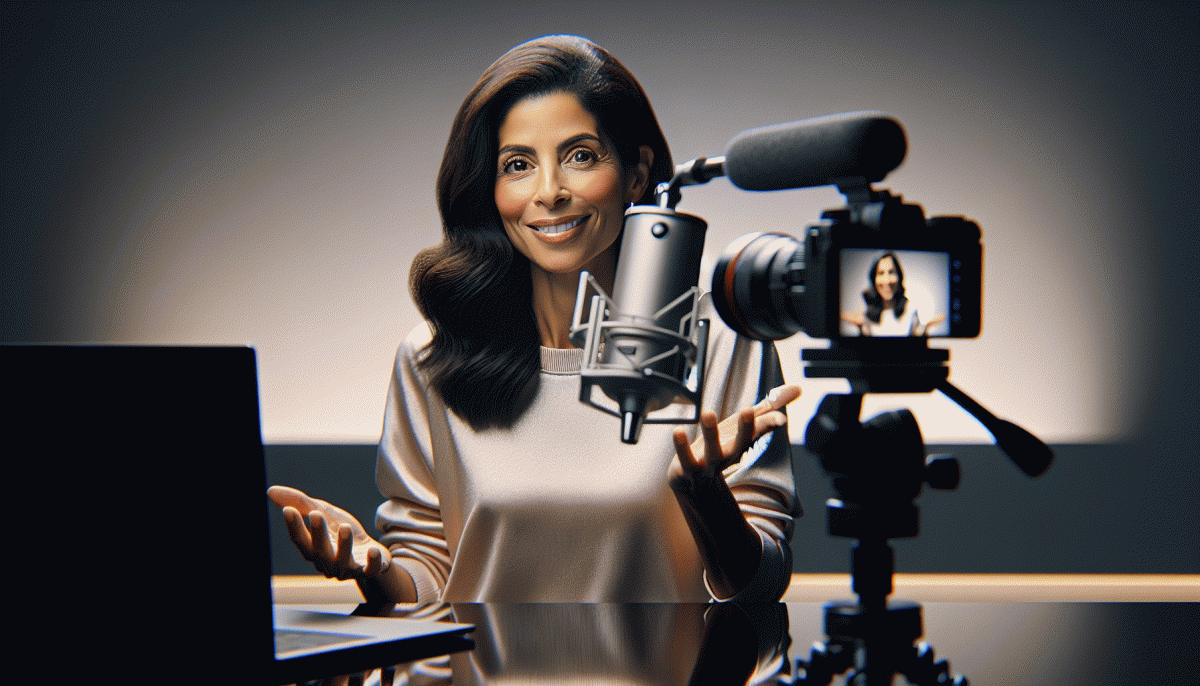
Sixty seconds is all it takes to go from cringe to credible. Run a ruthless quick-check before you go live: confirm your mic picks up your voice clearly, make sure your face is framed and lit, and eliminate any background noise that might steal the show. Treat this like a warm-up, not a ritual—do it once and you will stop apologizing for tech and start owning the room.
Launch this 60-second routine:
- ⚙️ Audio: Test the microphone level, listen through headphones, and mute notifications on other devices.
- Video: Check framing, lighting, and make sure the background has no surprise guests.
- Connection: Do a speed check, switch to wired if possible, and close bandwidth-hogging apps.
Want a safe traffic boost for a busy debut? Consider get YouTube live stream views fast to fill that early momentum slot while your tech hums. Use it as a nudge, not a crutch: pair it with your 60-second check and an honest title to keep real viewers engaged.
Final pre-flight: close extra tabs, set your phone to Do Not Disturb, keep a short cue sheet handy, and record a 5-second test. If it looks and sounds good, smile, breathe, and go. Your reputation will thank you when the chat celebrates the content — not the hiccups.
Hook in the First 5 Seconds: Openers That Spike Watch Time
Your first five seconds are the whistle: viewers sprint in or swipe out. Make it crystal fast. Say one bold sentence that promises value, then hit a visual or sound cue so the brain locks on—no rambling, no filler. If they understand the prize instantly, they stay.
Try quick, tested openers: "I'm about to show you how to double your saves in 10 minutes" (direct value), "Ready for a live demo? Watch this" (visual tease), or "What if I told you one change boosts reach?" (curiosity). Pick one script and deliver it like you mean it.
Small production tricks land big: flip a prop into frame, start with a before/after split-screen moment, or drop a loud sound effect to reset attention. Also quickly frame your face—bright lighting, mid-chest tilt, camera at eye level—so viewers instantly feel like you're talking to them, not reading notes.
Make the first interaction count: ask a tiny, specific action—"type your city" or "drop a fire emoji if you've ever..."—then call out the first responders by name. That micro-engagement signals activity to the algorithm and keeps people curious about what you'll do next.
Practice a handful of 5-second opens and A/B test them across lives: track retention at 10 and 30 seconds to see what sticks. Swap wording, tone, or visual cue until you hit a reliable opener. Then rinse and repeat—because great lives aren't found, they're crafted.
Chat Like a Pro: Prompt Scripts to Ignite Comments (and Kill Awkward Silence)
Treat your chat like a cohost. Before you go live, load a short stash of ready made prompts so conversation never flatlines. These are not scripts to recite; they are conversational sparks that steer viewers into commenting, reacting, and inviting friends while you focus on energy and delivery.
Opening lines to copy and paste: Warm Welcome: Tell me your power hour—coffee or tea?; Quick Poll: Drop a one word answer: Learn, Laugh, or Shop; VIP Callout: Say where you are tuning in from and what you want to see today. Use one within the first 90 seconds to set momentum.
Mid show prompts that keep the channel buzzing: Ask for three ideas in the comments and pick one to demo; ask viewers to share a recent win and celebrate the best reply; prompt them to tag someone who needs this tip; call for an emoji vote and react to the top picks.
Silence killers to stash in your sleeve: launch a 60 second hot seat where viewers ask anything; run a quick myth bust request and answer the funniest take; pause for a live mini demo and ask people to guess the outcome before you reveal it. Energy returns fast when you invite participation.
Practice these lines until they feel natural then pin the one you want first as a top comment before you go live. Save a text note with three fallback prompts and rehearse transitions so that when silence appears you do not have to invent on the spot.
From Glitch to Greatness: Graceful Recoveries for Tech Fails, Trolls, and Brain-Freezes
Live streams are a tiny circus where everything can go wrong in spectacular ways, and that is not a defeat unless you let it be one. When the connection hiccups, camera freezes, or your brain goes on vacation, treat the moment as a performer would: breathe, reset the energy, and move the story forward. The audience remembers how you rebound far more than they remember the stumble.
Tech Fail: Keep a one‑line script ready to buy time — acknowledge the glitch, switch to a backup device or camera, and invite viewers to stay while you reboot.
Trolls: Use a firm, witty block and pivot tactic: mute, remove, and redirect the conversation to a topic you control or a preplanned segment.
Brain‑Blank: Use a reliable fallback like a quick audience Q&A, a show clip, or a cohost to take over for a minute while you regroup.
Preparation turns chaos into theatre. Have a visible checklist and hot keys on a sticky note: wired ethernet when possible, a charged phone as backup, two moderators with access, preloaded images or short video clips to run if you need cover, and canned chat replies for common disruptions. Practice a 30‑second recovery line until it feels natural. Rehearsals will make composure your default, not a luxury.
If your goal is to make those recovery moments look intentional and keep the room full, consider a boost to bring engaged viewers ready to interact. boost Instagram can help fill the gap between panic and momentum, so your graceful recovery becomes a moment your audience remembers and shares.
End Strong: CTA Frameworks That Turn Replays into Followers (and Sales)
Think of the last 90 seconds of your live as the conversion sequence: you earned attention, now channel it. A crisp, rehearsed close removes friction for replay viewers who arrived late or skimmed in. Lead with one clear action, reinforce the benefit, and finish with a tiny, timebound nudge so people know exactly what to do next.
Try one of these three repeatable frameworks to end every session and make replays work for you:
- Quick Follow: Promise a predictable payoff: Follow for short clips and a weekly micro-tip that makes the tactic repeatable.
- Free Upgrade: Deliver a replay-only asset: DM the word REPLAY to receive the checklist or template used in the stream.
- Limited Offer: Create urgency with a short window: Use code LIVE15 in the pinned link within 48 hours for a special discount.
Use these exact micro-scripts to sound natural on camera and in captions: "If this helped, follow me for bite-size strategies you can use tomorrow." "Comment REPLAY and I will DM the checklist used in this stream." "Claim the LIVE15 offer now; link is pinned and it expires in 48 hours." Say them with energy, pause, then repeat the most important line once more for skimmers.
Operational checklist before you stop recording: pin the CTA as a comment, add the offer or DM instructions to the replay caption, create a short replay title that includes the CTA word, and add a chapter at the moment you deliver value so viewers jump straight to the hook. Track replay watch time, followers gained per replay, clicks on pinned links, and conversions so you can A/B test phrasing and timing. Endings that are practiced, specific, and repeated turn casual replays into followers and sales.
Read also

Are Instagram paid ads still worth it? Read this before you spend another dollar

Marketers Are Doing It Wrong: What to Automate vs What to Write Yourself (Before You Burn Out)
You’re Still Doing This?! The Social Media Mistakes That Cost You Followers and Sales
Go Live on Instagram Without the Cringe: Steal These Pro Tricks to Wow Viewers

Instagram Live Without the Cringe: The Unfair Playbook They Don't Want You to Use