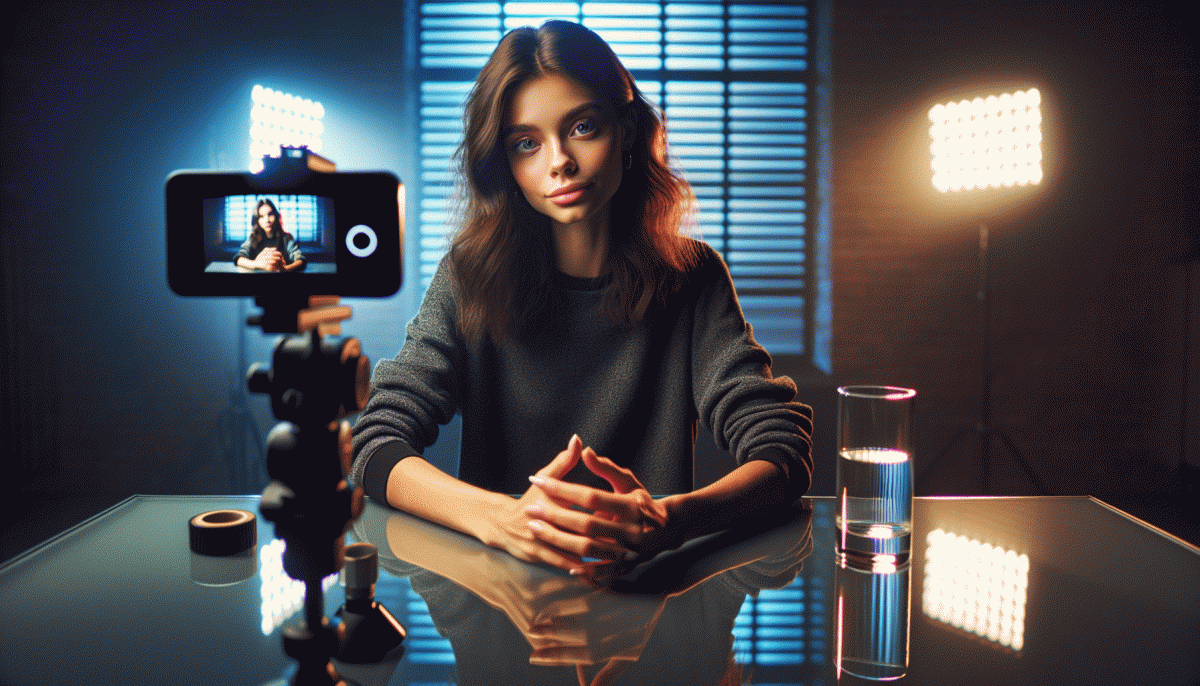
What Works Best on TikTok in 2025? We Tested It So You Don't Have To
The 3-Second Hook: Stop the Scroll and Win Views Fast
The first three seconds decide whether a viewer glides past or sticks around. Treat that slice of time like a bold billboard: immediate motion, a color or face that occupies the frame, and an unmistakable promise. If nothing is happening visually and sonically by 0.5 seconds, TikTok will test the video on a tiny audience and move on — so design those micro-moments to trigger curiosity fast.
Concrete tricks work: open with a jump cut or a moving camera, flash a bright color or a tiny shock, and layer short text that asks a question or makes a bold claim. Use motion, contrast, and question as your starter mantra. Avoid long intros, slow pans, or silent black screens — they kill momentum and cost views before your story begins.
Sound is part of the hook. Start with a recognizable beat, a sudden syllable, or a vocal zap that lands within the first beat. Match the edit pace to the sound and drop an unexpected visual at the first beat to lock retention. Also add quick captions and a bold text overlay so the idea registers even with sound off — that dual-channel hit raises early retention significantly.
Measure and iterate: test three hook variations per concept, read the retention curve at 3 and 6 seconds, and double down on what holds. Quick checklist: Test: three hooks, Measure: 3s retention, Double: the winner. Do that and the algorithm will do the heavy lifting — you will get the views, but only if you stop the scroll first.
Sounds, Trends, and AI: Ride the Wave Without Looking Thirsty
Sound is the signal, not just the jam. Start with audio: pick a native or trending clip that communicates mood in the first half second, then build a visual hook that answers a silent question. Native sounds boost completion and algorithmic affinity more often than licensed tracks. If editing feels clunky, cut to the beat and let the sound carry transitions so the video feels inevitable instead of engineered.
To ride a trend without looking thirsty, add a twist rather than a logo dump. Remix the meme with a little product personality: flip the punchline, show a realistic fail, or use reverse timing so viewers expect one ending and get another. Use duet or stitch to borrow credibility, keep brand mentions subtle in the first three seconds, and post early in a trend lifecycle so the creative stands out.
AI is your creative assistant, not your spokesperson. Use AI to draft short scripts, generate captions in seconds, and create voiceovers that you then record humanly. Always human edit the output, check for bias, and avoid deepfake-style faces. For early reach tests and to validate new creative quickly consider premium TT boosting as a temporary amplifier, then turn off paid support once organic momentum builds.
Practical checklist: hook in 1-2 seconds, pick a sound that supports emotion, edit to rhythm, caption for sound-off scrollers, and include a tiny, clear action at the end. A/B one variable per test: sound, hook, or ending. Repeat winning formulas and repurpose into shorter clips. Be fast, be kind to trends, and remember that subtle confidence beats loud desperation every time.
Post Like a Pro: Cadence, Timing, and Formats the Algo Craves
Think like a content scientist. Aim for 1 to 3 fresh posts per day to keep the algorithm sampling your work without burning out. Short, consistent bursts win: one experimental clip, one trend response, one evergreen value drop. When you hit cadence, the platform rewards repeat engagement more than sporadic viral flukes.
Timing matters but test windows matter more. Start by scheduling in two peaks: late morning and early evening local time, then scan your analytics at 24, 48 and 72 hours to see when your niche wakes up. Use that data to rotate posting slots; small shifts can double completion rates for the same creative.
Format beats polish. The algorithm prefers loops that hook in the first two seconds, native audio, quick edits and vertical composition. Best bets in 2025: 7 to 20 second loops, stitched replies, and audio-first clips that invite reuse. Add captions, use a bold first frame, and treat every upload as a prototype to iterate.
Workflow is the unseen advantage. Batch record one idea theme across five hooks, then post variants over a week, iterating captions and CTAs. If you want to scale experiments fast, consider paid traction tools and services like order YouTube boosting as a traffic injector, then funnel insights back into organic posting.
UGC, Duets, Collabs: Steal Reach (Ethically) and Build Trust
In 2025 the fastest way to grab TikTok attention is less about polished ads and more about permission to borrow other people's trust. UGC, duets and collabs let you "steal" reach ethically by riding creator-led credibility: surface real voices, amplify honest reactions, and swap audiences without faking virality. Focus on emotion and specificity — a 10-second true moment that makes viewers nod beats a 30-second brochure every time.
Practical playbook: brief creators with a single goal, not a script. Give a tight hook, a clear product moment, and permission to riff — then let their personality do the conversion work. For duets, design the clip so the left side begs interaction (a question, a challenging move, a split reveal). For stitches, leave a visible gap viewers can fill; for UGC, ask for one measurable outcome: "Did it work? Show me."
When you scale, mix paid boosts and organic swaps smartly — recruit micro-creators for series drops, rotate hosts for live collabs, and repurpose the best reactions as ads. If you want a shortcut for reach testing or to seed initial views, explore TT boosting as a controlled way to jumpstart experiments while you optimize for retention.
Measure what matters: watch time, rewatch rate, comment quality and duet volume, not vanity likes. Keep a "template bank" of creator clips that consistently retain; iterate weekly, kill what doesn't hold attention, and double down on formats that spark stitches. Do that and you won't just borrow reach — you'll build a network of authentic advocates who bring customers, not just views.
Metrics That Matter in 2025: Save Your Energy, Track These Only
Stop hoarding likes like they are Pokémon cards. In 2025, TikTok rewards attention architecture, not vanity bling. Focus on the handful of signals that actually push your clips into more feeds: how long viewers watch, whether they take action after watching, and if the video sparks conversation.
- Engagement: Comments and shares matter more than passive likes — they tell the algorithm your content is worth amplifying.
- Completion: The percent of viewers who watch to the end, especially on the first loop; crucial for feed velocity.
- Conversion: Profile clicks, follows or link taps per view — the real signal of content effectiveness.
Measure these weekly, not obsessively minute by minute. Use retention graphs to spot the dropoff second, test two hooks per concept, and track profile click rate after a new sound or format. If completion rises while engagement falls, tweak your call to action before changing the creative.
Make a tiny dashboard: weekly completion, comment rate, profile clicks per 1k views. Run a 7-day test window, iterate, and repeat. Treat these three metrics like a content health check and you will spend energy on moves that actually grow reach.
Read also
What Works Best on TikTok in 2026? We Tested It So You Do Not Have To
What Works Best on TikTok in 2026? We Tested It So You Don't Have To
What Works Best on TikTok in 2026? We Tried It All—Here’s What Actually Blows Up
What Works Best on TikTok in 2026? We Ran the Experiments So You Never Have To
What Works Best on TikTok in 2026? We Cracked the Code