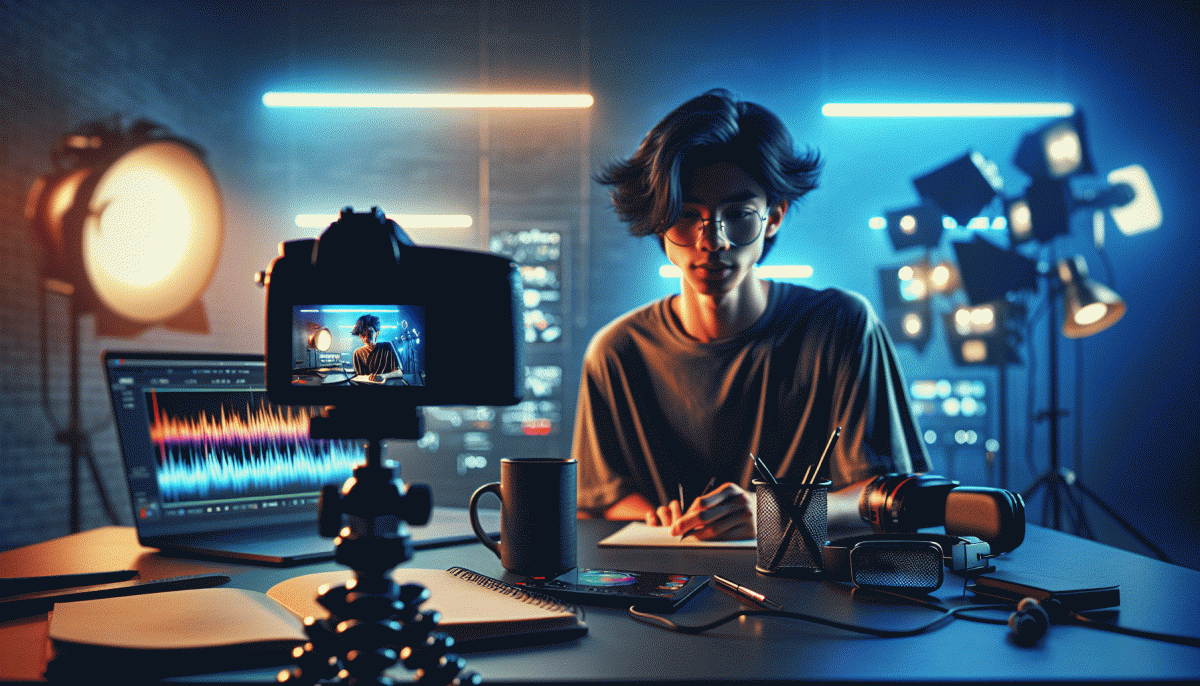
What Works Best on TikTok in 2025? The Shockingly Simple Tactics Fueling Viral Growth
Hook in 3 Seconds: Pattern Interrupts That Stop the Scroll
Attention on short form is a scarce resource. To earn a full watch on TikTok in 2025 you must interrupt patterns before the algorithm labels the clip as skippable. That first three seconds are not for exposition or niceties. They are for a surprise that reorients the eye and the ear, creates a tiny mystery, or triggers a reflexive laugh.
Here are three compact pattern interrupts to deploy on day one of a shoot:
- Visual Shock: Start with an unexpected composition or prop that looks wrong in the frame and then fix it in the cut to satisfy curiosity.
- Audio Mismatch: Use a sound that contradicts the visual for 1.5 seconds then snap to synchronized audio to flip the brain from autopilot to attention.
- Rule Break: Begin by stating a taboo or opposite claim and then deliver the quick why, so viewers stick around to see if you defend it.
Turn these into a reproducible recipe: open on the shock, cut at 0.8 to 1.5 seconds to a closer framing, add a one line caption that teases the payoff, and land a reveal at 2.5 to 3 seconds. Test three variants per week, watch 6 second retention and first loop rate, then double down on the interrupt that lifts both metrics. Small, deliberate surprises beat polish when the goal is viral momentum.
UGC > Polished Ads: Turning Customers into Your Top Creators
Stop polishing until the shine hurts: customers making clips beats studio-perfect ads every time. Raw reactions, morning routines, honest product fails — these create the dopamine hook TikTok rewards. Low-cost, high-trust, and native to the For You feed, UGC converts because people believe people, not perfect spokesmodels in a lightbox.
To flip customers into creators, design tiny briefs that feel like a phone chat. Ask for a 10–20s moment, a single feature callout, and the user's real voice — no scripts. Offer a simple incentive, clear instructions for framing and sound, and a deadline. Then amplify the best takes: stitch, duet, and run them as low-budget test ads.
- Authenticity: Capture one imperfect moment that shows benefit, not a list of specs.
- Speed: Keep clips 10–20 seconds so they loop and get favored by the algorithm.
- Reward: Give small, immediate incentives — discounts, shoutouts, or product swaps — to scale submissions.
Measure and iterate: run three prompt variants per week, track view-rate, saves, and direct messages, then scale the winner. Repackage top-performing UGC into paid placements and cross-post snippets to Stories or Reels. The math is simple: more authentic voices = more reach, and reach compounds faster than any flawless TV spot ever could.
TikTok SEO in 2025: Keywords, Captions, and Search-First Covers
Search behavior on TikTok in 2025 is no longer secret sauce; it is literal search. Treat captions like micro SEO pages: lead with the user intent word, sprinkle natural variants, and craft the first line so automated captions read what you want. TikTok rewards spoken keywords, so narrate your main phrase aloud in the first 2–3 seconds and match on-screen text to the query.
File names, cover text, and transcript snippets matter more than marketers expected. Rename your upload file to include the primary keyword, add that keyword as bold on the cover image, and include a clean transcript in the caption or pinned comment. Alt text is a low competition win; add descriptive alt that reads like a question or short how to — search systems index it. Also use natural language variants rather than stuffing single keywords.
Test search first covers by writing the full query on screen so viewers and TikTok search see the same phrase. Run A B cover tests over a few days and measure search impressions in Creator Tools. And if pushing growth across apps feels like juggling chainsaws, try a quick promotion boost such as buy Instagram boosting service to free time for content optimization.
Quick checklist to steal: pick one search intent per video, say it aloud in seconds one to three, put the phrase on your cover, paste a short transcript into the caption, and update old posts with fresh keywords. Measure impressions from Search and double down on formats that convert. Run small tests weekly and treat search tweaks as part of your production process. Small edits, big uplift; TikTok is rewarding craft and clarity now.
Post Like a Scientist: Testing Cadence, Dayparts, and Creative Iterations
Treat your posting schedule like a lab protocol. Start by writing a one sentence hypothesis for each experiment, for example: posting twice a day will increase average watch time by 15 percent versus posting once. Choose one primary metric to avoid analysis paralysis—watch through rate is king on short video platforms, followed by saves and comments for signal strength. Record baseline numbers so every test can prove something, not just generate noise.
Control the variables. Run a cadence test with identical creative style and sound, then change only frequency: try 1x/day, 3x/week, and 3x/day for at least 48 to 72 hours per variant or until early performance signals stabilize. Aim for a minimum of 8 to 12 posts per arm when possible to reduce variance. Use simple A/B thinking: change one thing at a time, keep a control, and log results in a single sheet for easy comparisons.
Dayparts matter more than many creators admit. Test four windows in your main time zone and map performance to audience behavior: morning commute, midday scroll, evening peak, late night. Swap sounds and thumbnails in separate runs to see if timing interacts with creative. If you need an edge for broader social testing or to seed new content angles, consider targeted boosts like buy Instagram followers to accelerate reach and reliability in early win detection.
Iterate fast but document everything. For creative iterations, tweak the first two seconds, change the call to action, and swap captions, one variable at a time. Track watch time, retention curves, click rates, saves, and comments as your decision stack. After each successful test, scale the winning version while continuing small exploratory tests to avoid stagnation. Treat growth as a rolling series of mini experiments, not a single launch.
Live, Shop, Repeat: TikTok Shop and Live Streams That Actually Convert
Think of your live stream as a tiny shopping festival: a clear product flow, a charismatic host, and an easy checkout. When the show is entertaining first and transactional second, viewers stay longer and buy more. Start with a tight 10–20 minute core demo.
Set up shop like a pro: pin three hero products, prepare two quick demos per item, and drop a limited time code at minute 6 and minute 14. Use countdowns and visible stock cues to create urgency without feeling spammy.
Formats that convert: fast-before-after demos, real customer clips, and co-host banter that answers live questions. Whenever a viewer asks about size or fit, show it on camera and immediately tag the product card so checkout is one tap away.
Optimize the mechanics: stream when your audience is most active, keep lighting clean, test mics, and loop clips of best sellers as short recaps. Sync inventory to avoid sold out surprises and set clear shipping expectations in the pin.
Measure what matters: track conversion rate per product card, average order value, and repeat purchases from live viewers. Iterate weekly — small tweaks to CTA phrasing or demo order often produce outsized lift. Rinse, repeat, and treat each stream like ad creative.
Read also
What Works Best on TikTok in 2026? We Tried It All—Here’s What Actually Blows Up
What Works Best on TikTok in 2026? We Cracked the Code
What Works Best on TikTok in 2026? We Tested It So You Do Not Have To

Visual Trends in 2026: The Shockingly Simple Secrets Behind What Goes Viral on Social Platforms

What Works Best on Instagram in 2026? Steal these breakout tactics before they get saturated