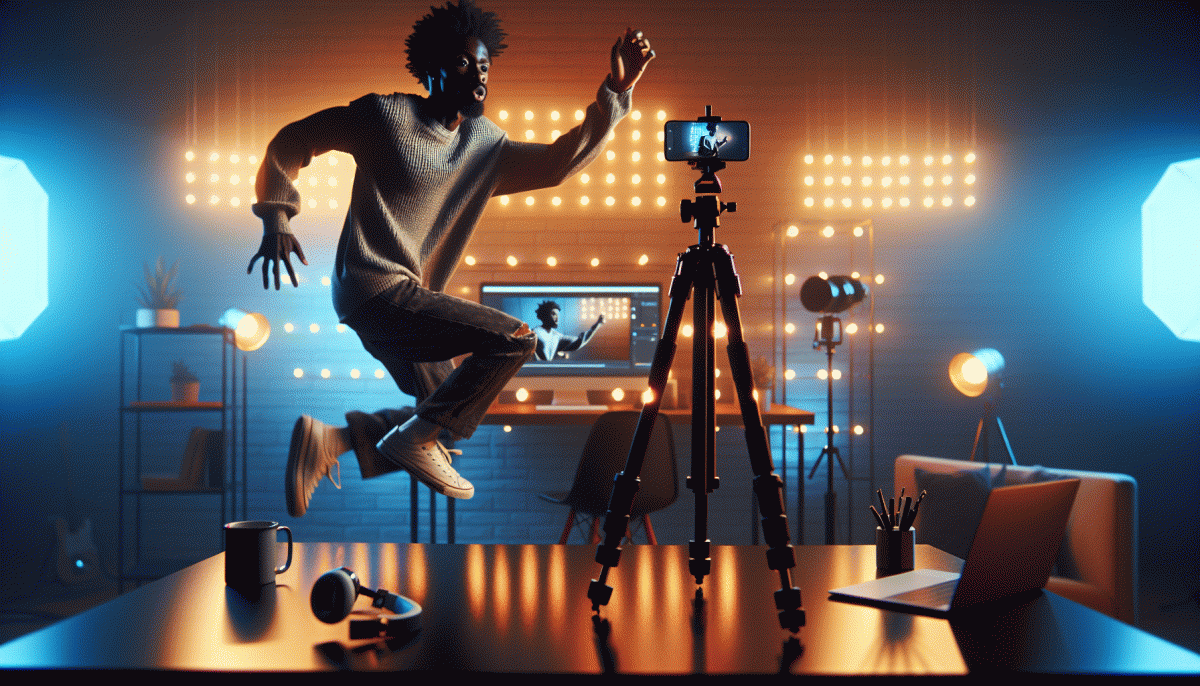
What Works Best on TikTok in 2025? Steal These Proven Moves Before Your Competitors Do
Hook Them Fast: 3-Second Openers That Spike Watch Time
Three seconds: the make-or-break window where TikTok's appetite for action decides if your clip blooms or gets ghosted. Lead with a promise (what they'll learn), a visual punch (motion, a close face, or an unexpected prop) and a curiosity spike that begs viewers to stay. Think: immediate benefit + sensory cue = instant scrolling friction.
Micro-Experiment: "I tried X for 3 days—here's what changed" (show Before 0.3s → After 2s).
Shock Stat: "90% of creators miss this one trick—do this instead" (flash stat on-screen).
POV: "POV: Your edits are killing your views—watch this fix" (jump straight into the action).
Production cheat-sheet: start on motion or a close face, hit a clean audio cue in frame one, and drop bold text within the first second so sound-off viewers still get the hook. Trim to the meat—no slow intros—and make the second cut match the beat; fast pacing = higher early retention.
Need early momentum to force the algorithm to take notice? Consider boosting initial traction with buy instant real TT views, then iterate your opener until watch time spikes. Test two hooks back-to-back and keep the winning opener as your canonical 3-second intro.
Trend, Sound, Cut: The Native-First Edit TikTok Loves in 2025
The native-first edit is less about polish and more about rhythm: start with sound, then cut. Pick a sound that carries emotion or a hook — a trending audio or a tiny original riff you can loop — and edit so that the beat breathes. The opening 1–2 seconds must land like a wink; if viewers do not feel it, they will swipe. Make loop points and quick endings so viewers replay.
Hook: first frame + first beat = survival.
Cutting choices should mimic how people watch on the platform: quick, readable, and musical. Use 1–3 second clips for action, 3–7 seconds for mini explanations, and lock major visual changes to strong sound markers such as snaps, whooshes or lyric hits. Try match cuts across objects or gestures to create surprising continuity, and sprinkle speed ramps or micro freeze frames for emphasis.
Cut Rhythm: every edit should answer to an audio event and push viewers to keep watching.
Keep production native: phone camera, vertical framing, natural light, and minimal grading so skin tones and textures stay real. On screen text must assume mute playback — big, short, and timed to the beat so readers can follow without sound. Choose high contrast sans serif, avoid placing captions over faces or product details, and reserve logos for discrete moments.
Captions: short sentences, about 1.8s per line, readable at a glance and timed to anchor beats.
Finally, upload the native file and test variants fast. Run two versions with different 1–2 second hooks, measure retention at 3s, 15s and end, then iterate based on drop points. Keep most clips under 45 seconds but do controlled tests for longer explainers; reuse the same native assets for ads by swapping lead audio or opening shot.
Test: frequent small experiments beat big guesses every time.
Timing Cheatsheet: Best Days, Post Cadence, and Video Length
Think of timing like staging a surprise party for an algorithm that loves a good crowd. The fastest wins in TikTok land, so treat the first 24 to 48 hours as your prime window to trigger virality. Use your analytics to find when your followers are scrolling, then aim to land new content right before that spike. Small shifts by an hour or two can double early velocity; treat timing like a lab variable, not a hope.
Best days? Be strategic rather than ritualistic. Midweek—especially Tuesday to Thursday—often shows steady discovery, while Friday evenings and weekend mornings are prime for leisure browsing and shareable clips. Optimal posting windows to test: 6–10 AM (commute and breakfast scroll), 12–2 PM (lunch breaks), and 6–10 PM (prime relaxation scrolling). Run a two week test cycling these slots and lock in the winner for each content type.
Cadence beats chaos. If you are a creator, aim for 1–3 posts per day that maintain signature quality; if you are a small brand, 3–7 posts per week hits the sweet spot between reach and relevance. Quality must scale with frequency: do not post filler. When experimenting, change only one variable at a time—day, hour, or format—so you know what actually moved the needle.
Length is context. Use 9–15 seconds for hooks, trends, and duets; 21–34 seconds for short stories and demos; and 60–90 seconds for tutorials or narrative arcs that keep viewers past the 50 percent mark. Anything longer needs exceptional retention strategy. Track retention and completion rates, double down on what holds viewers, and prune what fattened watch time but did not convert to follows or shares.
Caption + Hashtag SEO: Tiny Tweaks, Massive Discoverability
Think of captions and hashtags as micro-SEO for short video: tiny edits buy huge reach. Start captions by front-loading one clear keyword or phrase that matches how your audience searches — not marketer jargon. Keep the first two lines scannable, then add context: a one-line hook, a value statement, or a clarifying keyword string. Natural language wins; avoid stuffing random tags that do not read like a real sentence.
When choosing hashtags, pair intent and discovery. Use one high-volume hashtag for broad reach, one niche hashtag for community relevance, and a branded or campaign tag to capture repeat viewers. Mix long-tail keyword phrases with standard tags and mirror the phrasing people type into search. Use three to five smart tags rather than 20 noise tags, and vary them slightly across posts to avoid pattern penalties.
Measure and iterate: test a caption variant for 48 hours and compare impressions and profile views before switching. Pin a comment with alternate keywords to double-dip on discoverability. Small tweaks like replacing a synonym, adding a location keyword, or switching tag order often change who sees the video. If you want smart boosting and safe amplification options, check a trusted partner like trusted SMM provider to scale tested caption strategies.
Final checklist: front-load keywords, write a human first line, use 3–5 targeted hashtags, A/B for two days, and update underperforming captions. These micro-optimizations are cheap to run and compound quickly — a few edits can shift content into new For You circuits.
UGC, Collabs & Spark Ads: The Growth Stack That Scales
Think of UGC, collabs and Spark Ads as a three-piece band where every instrument amplifies the others: authentic creator clips build trust, collabs expand reach into new fan pockets, and Spark Ads turn organic momentum into predictable scale. In 2025 the edge is not just great content but an assembly line that converts creator curiosity into repeatable ad assets. Start by mapping top-performing creator formats for your niche and treat them like a product line to be scaled, not a one-off campaign.
Operationalize that map with a compact playbook: recruit a roster of micro creators for rapid test batches, hand them tight prompts instead of scripts, and create a feedback loop where the best UGC is boosted as Spark Ads. For a low-friction growth lift consider adding a smart boost phase after week one; that paid push often unlocks algorithmic snowballing. If you need to source creators quickly, consider exploring buy followers tools only as a last resort for social proof testing while you build real engagement.
When converting creator posts into Spark Ads, focus on the first 2 to 3 seconds and preserve the creator voice. Use native captions, retain the original audio where possible, and A/B test different CTAs while keeping creative constants stable. Allocate at least 30 percent of your budget to creative testing and 70 percent to scaling winners. Also use audience layering: seed custom audiences with engagers, then expand with lookalikes to preserve signal as you grow.
Finish with a simple checklist: 1) recruit diverse creators, 2) standardize brief templates, 3) run tight creative tests, 4) promote winners as Spark Ads, 5) scale with audience layering. This stack is less about one viral hit and more about repeatable mechanics that compound. Move fast, iterate, and let creators lead the aesthetic while your data steers the spend.
Read also

What’s Actually Working on Instagram in 2026? Steal These Proven Plays Before Your Rivals Do

What Works Best on Instagram in 2026? Steal these breakout tactics before they get saturated

What Hooks Actually Work in 2026? Steal These Scroll-Stoppers Before Your Competitors Do
What Works Best on TikTok in 2026? We Tried It All—Here’s What Actually Blows Up

Steal These Instagram 2026 Secrets: What Works Now (and What to Ditch)