What Hooks Actually Work in 2026 11 Irresistible Openers You Can Steal Today
Two second scroll stoppers that make thumbs freeze
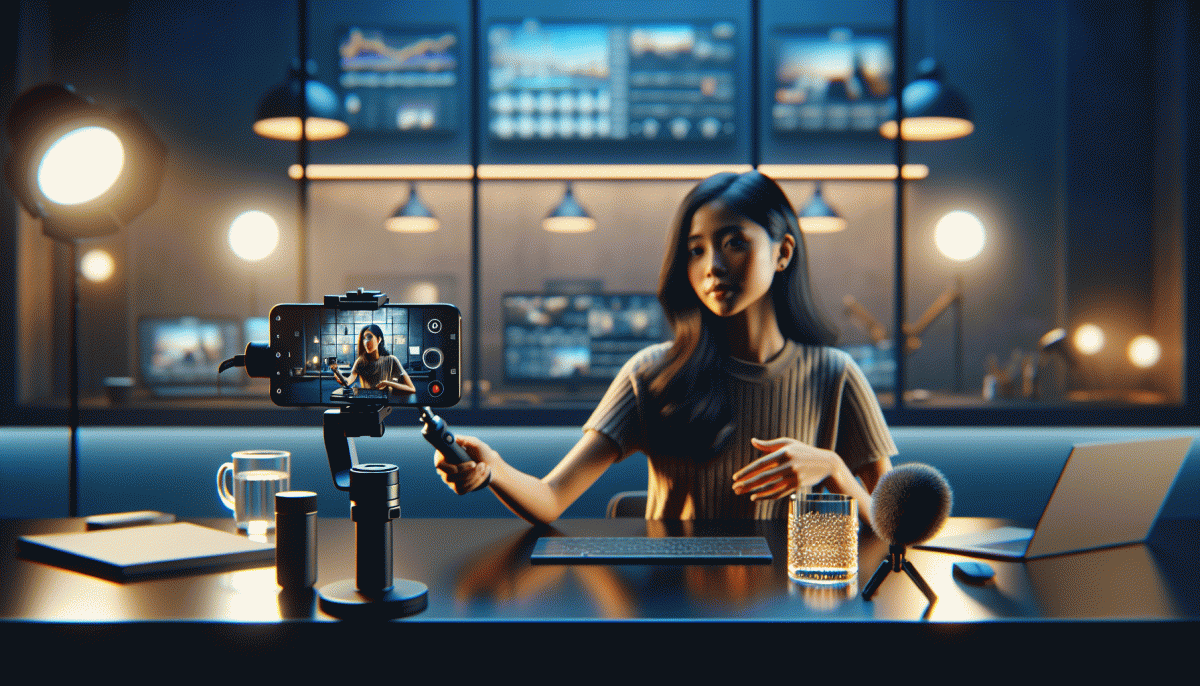
Make the thumb stop in two seconds by creating a tiny contradiction: motion that looks like stillness, or a quiet scene with a loud promise. Think a slow-motion face frozen mid-gasp, or a tidy desk with a neon caption that reads: Stop scrolling. That jolt is your hook — surprise is the caffeine that wakes lazy attention.
Two reliable stoppers work best: a visual mismatch and a micro-cliffhanger. Visual mismatch = a still frame that implies movement or wrong context (a tuxedo dog, a teacup on a surfboard). Use a bold 3–4-word overlay to flip meaning. Micro-cliffhanger = a one-line tease with a number or shock (for example, How I cut bills 70% — in 7s). Both rely on instantly answerable curiosity that makes thumbs freeze.
Build them fast: crop tight to the subject, punch contrast, keep text to 3–4 large words, place them in the top third for phone scans, and avoid clutter. Freeze the first frame when exporting so the thumbnail matches the preview, and keep motion subtle — a half-second blur is enough to imply action. Test two variants and keep the winner.
Want more starts that stick? Amplify reach and get that two-second magic in front of more people: buy YouTube views today. Pair paid amplification with a winning opener and watch brief attention turn into saves, follows, and watch time.
Curiosity gap magic without clickbait shame
Think of curiosity as a polite knock, not a sledgehammer. The real magic happens when you promise a clear payoff while withholding just enough to invite investigation. That little tension pulls readers in but only works if you deliver what you teased soon after — otherwise trust erodes fast.
Begin with specificity: use numbers, a time window, or an odd detail that feels believable. Swap vague hooks for targeted intrigue — for example, describe "one habit that freed two hours a day" rather than a blanket "life-changing secret." Specificity kills skepticism and turns suspicion into genuine interest.
Balance intrigue with early value. Place a short, concrete opener at the top, then answer part of the question within the first 150 words to reward the reader. Use micro answers to reduce frustration and promise a fuller payoff downstream; that keeps people scrolling instead of bouncing.
Practice frames that are honest and testable: How I reclaimed X in Y days without Z; The surprising metric every creator ignores; What happened when I stopped doing one common thing for 30 days. Swap X, Y, Z for niche specifics and run A/B tests to see which tone converts.
Do not overpromise and watch your engagement signals. If curiosity boosts clicks but not read time, tighten the early deliverables. Track click-to-scroll and time-on-page, then iterate. The aim is attention that feels earned — hooks that spark interest and reward the reader, not tricks that burn bridges.
Fear vs FOMO which angle converts better now
Marketers have been debating whether to jab at pain or tease the party, and in 2026 the answer is more contextual than categorical. Fear hooks target loss aversion and safety instincts; they make risk tangible and urgent. FOMO hooks leverage social proof and scarcity; they make being out of the loop feel uncomfortable. Both convert when matched to the customer moment and the buying friction of the offer.
Use fear when the purchase protects something valuable—money, reputation, legal compliance, or career momentum. These are high stakes decisions where consequences matter and deliberation is expected. Use FOMO for low friction, high social proof opportunities—limited runs, exclusive communities, timebound experiences, and viral drops. Also consider channel: fast social feeds like TT and Pinterest accelerate FOMO, while search and email allow fear narratives to explain the why before the buy.
Want a quick decision framework? Run a 7 day headline split that keeps offer and creative constant and swaps only the opener. Measure CTR, add to cart, and post click conversion. If FOMO drives attention but fear drives purchases, combine them: a FOMO headline to get the click, fear based proof in the body to close. Segment results by new versus returning visitors; first time buyers often respond to FOMO, loyal customers respond better to fear of loss or missing a critical update.
Copy swipes to test immediately: Fear: Secure your account now to avoid unwanted price increases and service interruptions.
FOMO: Only 120 seats left—join 3,200 insiders before registration closes tonight. Run both, measure the funnel, then scale the winner across platforms and creatives for the fastest lift.
Pattern interrupts that still sound on brand
Pattern interrupts are the little shocks that pull readers out of autopilot without yanking them out of your brand. Think a crisp one-word opener, a startling stat, or an absurdly specific image — delivered in the voice your audience recognizes. Choose a controlled surprise (a sound cue, a punctuation trick, an unexpected subject) and plan the follow-through so the message feels intentional rather than manipulative.
Three tactics that scale and stay on-brand: Flip the subject — open with the unexpected actor ("The CEO spilled coffee, not the intern.") to reframe authority. Micro-story — a 3-second scene that ends with a branded insight, which turns curiosity into context. Punctuated pause — ellipses, em dashes, or a single-word sentence used like a drumbeat to emphasize your key line. Tweak formality and rhythm so the interrupt reads like you.
Practical rules: keep the interrupt ≤10 words where possible, land a clear brand cue by sentence two, and ensure the payoff matches the tease. Test in small batches across subject lines, hero copy, and push notifications; track CTR, scroll depth, replies and conversion lift. If engagement jumps but conversions don't, tighten the bridge from hook to benefit until the seam disappears.
Swap-ready openers you can steal: Playful: "We hid your freebie in the FAQ." Authoritative: "Not negotiable: this saves 12 hours/week." Empathetic: "I used to panic about this too." Try one in tomorrow's send, measure for 48 hours, and only scale the ones that feel like you rather than a gimmick.
AI powered hook templates that do not read like a robot
AI can hand you a mountain of perfectly grammatical openers that read like legal copy. The trick is to treat the model as a co-writer who needs three human cues: a tiny personal flaw, one sensory detail, and a clear benefit. Give those cues and the AI will return hooks that breathe, make people smile, or spark curiosity without ever sounding factory-made.
Try a few fill-in-the-blank starters you can reuse across formats: "I almost missed X until I tried Y"; "What everyone gets wrong about X (and the one-line fix)"; "If your X looks like this, try Y tonight and thank me tomorrow." Each template packs a confession, a promise, and a deadline, which is the secret recipe for hooks that sound human.
Want a quick prompting recipe? 1) Set the voice: witty, candid, compact. 2) Add a one-sentence micro-story or embarrassment. 3) Demand a sensory detail or contrast. 4) Limit output to three variations under 15 words. These guardrails force the model to favor personality and specificity over generic polish.
Pick one template, swap in your specifics, and test it in two channels. Track engagement, tweak the sensory line, and iterate until the opener stops sounding like it was generated and starts sounding like you. Steal freely, make it yours, and save the robotic prose for error messages.
Read also

What Hooks Actually Work in 2026? Steal These Scroll-Stoppers Before Your Competitors Do
What Hooks Actually Work in 2026? The Unexpected Winners Marketers Swear By
Stop Scrolling: The Hooks That Actually Work in 2026 (Steal These!)

What Hooks Actually Work in 2026? We Tested 100+ — Here Are the Winners

Stop the Scroll: The Hooks That Actually Work in 2026 (Steal These!)