
We Tested Raw vs. Flashy vs. Weird—You Won’t Believe Which Style Won
Raw Power: Why unfiltered stories spark trust (and sales)
People sense polish from a mile away, and polish often translates into distance. Raw stories — shaky hands, background noise, a line flubbed and kept — close that gap. They signal real faster than any glossy edit because human brains are wired to detect intentional imperfection as honesty. That trust becomes the secret currency that makes people listen longer.
Trust converts. When a customer sees an unvarnished problem-solving moment, the brand moves from brochure to buddy. Feature a short clip of a product actually failing then being fixed; pair it with a concise caption about the lesson. Expect longer watch times, more comments, and a bump in micro-conversions like signups or DMs because authenticity reduces friction.
Want a tight experiment? Film a one-take testimonial, post it as a vertical story, and run a control ad with the polished cut. Track views, click-throughs, and comment sentiment for one week. For amplification tools and verified partners consider best Instagram boosting service to test scale once your organic signal proves out.
Raw is not a permanent look, it is a strategic lever. Use it to earn attention quickly, then layer in flash for spectacle when the audience already trusts you. Start with one honest moment this week and measure: you are more likely to close a customer who feels they already know the real person behind the brand.
Flashy Thrills: Make thumbs stop with motion, color, and swagger
In our experiments the flashy approach proved instant at stopping thumbs: quick motion, saturated color, and visual swagger cut through sleepy feeds. The trick isn't noise for noise's sake — it's deliberate signal. Use a bold focal object, a short looping motion (think 0.8-1.5s), and a two-tone palette with one high-contrast accent. That combo creates a visual ping that the brain flags as important; your job is to keep it readable and irresistible.
Practical recipe: lead with movement in the first second, tighten framing to faces or product details, and overlay kinetic text only when it adds information. Keep copy to three words max, pick a typeface that reads at thumb size, and apply a subtle parallax or scale pop on key elements. A/B test color accents — warm (orange/red) drives energy, cool (teal/blue) can feel premium — but limit saturation so thumbnails still look clean at a glance.
Export smart: export a 3–6s MP4 loop, 24–30fps for smoothness, and keep file size under platform limits so previews load fast. Use safe margins so nothing crops on different aspect ratios, and check contrast at 10-15% scale (mobile homescreen). For platforms that auto-muted previews, make the visuals punchier — rely on motion cues rather than captions alone.
Measure CTR, initial watch percentage, and saves to see if the swagger translates to behavior, then dial back or amplify motion and color based on performance. Flashy wins attention, but the win becomes meaningful when it drives action. So wiggle the hero, pop the accent, and then obsess over the numbers — your next scroll-stopper is a hypothesis away.
Delightfully Weird: Be memorable without scaring off your audience
Weirdness is less a neon sign and more a carefully placed eyebrow-raise: it hooks attention without shredding trust. In our cross-style experiments, the brands that won used one charming oddity, not a circus. Think of oddity as seasoning—too little and you blend in, too much and people leave the table. Aim for curiosity, not confusion, and let small surprises create word-of-mouth.
Start by picking a single eccentric element: a voice quirk, a mascot with weirdly honest captions, or a microinteraction that giggles when users hover. Keep the rest of the frame familiar. The rule of thumb: make the unexpected occupy one layer while all functional layers remain predictably usable. That balance keeps bounce rates down and smiles up.
Practical switches to try today: rewrite three headlines with playful metaphors, add one animated flourish to the CTA, or swap a stock photo for something delightfully offbeat. Track clicks, scroll depth, and post-click behavior for a week. Also watch conversion quality—leads should be as good or better. If engagement ticks up without support tickets exploding, you've found a winner worth scaling.
Don't mistake shock for personality. Avoid humor that targets vulnerable groups or sacrifices clarity for cleverness. Start with a 10% audience split and run it for 7–14 days so you can spot pattern changes across segments. If a variation performs worse, pare back the eccentricity rather than abandoning the idea outright.
End with a tiny experiment plan: (1) pick one oddity, (2) run a short A/B test, (3) iterate based on hard metrics. Repeat until your brand feels distinctive but warm. Weird sells when it's human-first—surprising people into delight, not into discomfort. Document results and you'll build a predictable playbook for memorable, marketable weirdness.
Style Selector: A 60‑second quiz to pick the right vibe for your brand
Got sixty seconds? Great - this micro-quiz slices through brand indecision and points you to the vibe that actually converts. Answer fast, don't overthink, and treat your result as a direction, not a decree. We'll translate your tone into practical first moves you can test in a week.
There are six lightning questions: who is your audience, what feeling should they leave with, how much polish do you want, how risky is your humor, how often can you post, and what action do you want. Pick A/B/C for each question based on gut instinct.
Scoring is delightfully low-tech: mostly A = Raw, mostly B = Flashy, mostly C = Weird. If you land on a tie, go with the style that scares you least - then nudge it bolder after the first data point. Keep a simple spreadsheet: question, answer, score, final tally.
Translate the result into three quick rules: voice, visuals, and cadence. For example, Raw favors candid captions and behind-the-scenes clips; Flashy leans into high-gloss thumbnails and tempo edits; Weird rewards unusual hooks and playful absurdity. Each rule points to one test you can run immediately.
- Raw: Honest, human, low production—story-led posts, testimonials, and real-time reactions that build trust fast.
- Flashy: High-energy, bold visuals—trend edits, bright palettes, and CTA-driven hooks that chase attention.
- Weird: Offbeat, memetic experiments—odd characters, surreal transitions, and paradoxical lines that spark shares.
Now act: pick one platform and create three variants that follow your assigned rules. Run them for seven days, watch which creative wins your chosen metric, then double down. If nothing moves, switch the style one notch and repeat - creativity with quick feedback beats perfect ideas that never launch.
Test Like a Pro: 5 quick experiments to crown your winner
Drop the opinion and run five tiny, ruthless experiments that force data to pick a personality for you. Treat each test like a micro-lab: small samples, clear metrics, and fast decisions. Prep three variants for each style—raw, flashy, weird—then use native analytics or a simple spreadsheet to log results so you actually learn something useful.
First up: a classic A/B/C split. Run equal-traffic buckets for 3–7 days, measure CTR, average watch time, shares and comment rate, and call a lead per metric. Keep the creative element identical except for style to isolate the variable. Aim for a few hundred meaningful interactions or a comfortable confidence interval before you crown a winner.
- Traffic Split: Serve all three styles simultaneously to avoid timing bias—same audience pool, same hour, cleaner results.
- Time-Boxed Blitz: Push each style with a short paid or promoted burst (48–72 hours) to see which one scales when fuel is added.
- Weirdness Meter: Test the oddball hard: measure share-to-dislike ratio; if weird gets shares, it has viral potential.
Fourth experiment: sequence testing. Rotate styles daily or by session to detect novelty decay and retention differences—flashy might spike then drop, raw may grow steadier. Track repeat engagement and audience return rates; that tells you which style builds loyalty versus short-term clicks.
Finally, iterate fast and document everything. Deploy the winner broadly, run micro-variants of its best hooks, and scale with paid where ROI looks clean. Keep a one‑page log of learnings so next time you don’t re-test obvious mistakes. Data picks the personality—your job is to test like a pro and move quickly on the result.
Read also

Raw vs. Flashy vs. Weird: We Ran the Showdown—Guess Which Style Actually Wins?

Raw, Flashy, or Weird? The One Style That Crushes Conversions Might Surprise You

We Tested 7 Instagram Post Formats—Guess Which One Crushed Engagement?

Raw vs. Flashy vs. Weird: The Showdown Your Brand Didn’t Know It Needed
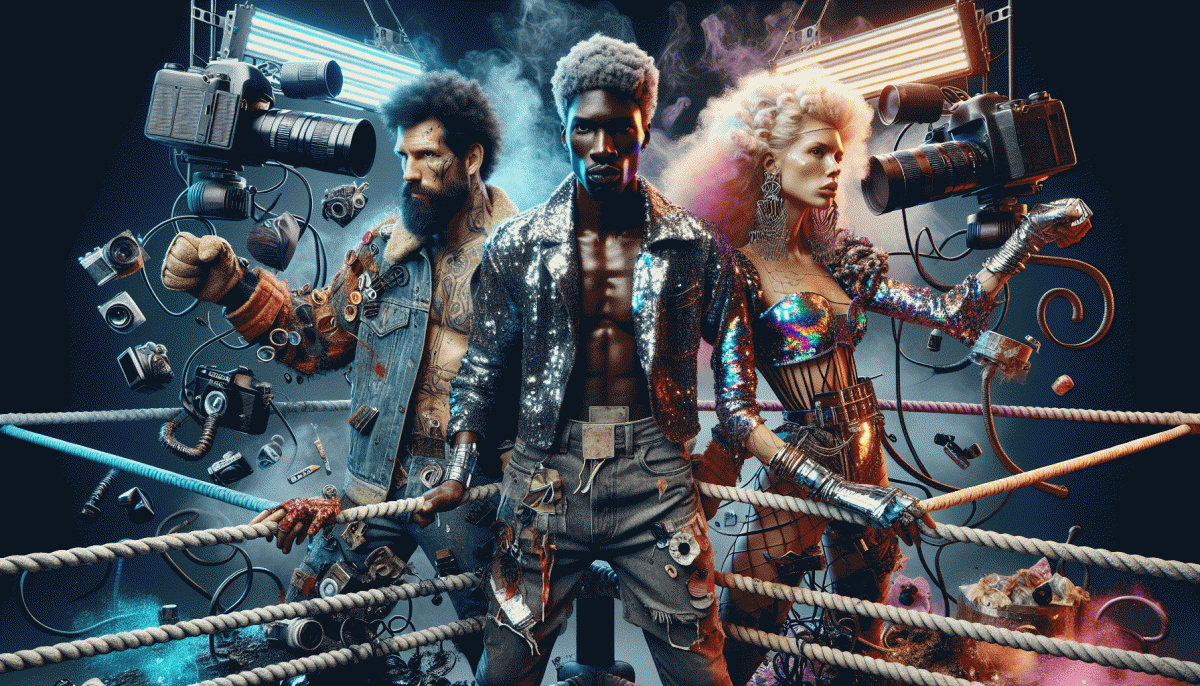
Raw vs Flashy vs Weird: The Creative Cage Match No One Saw Coming