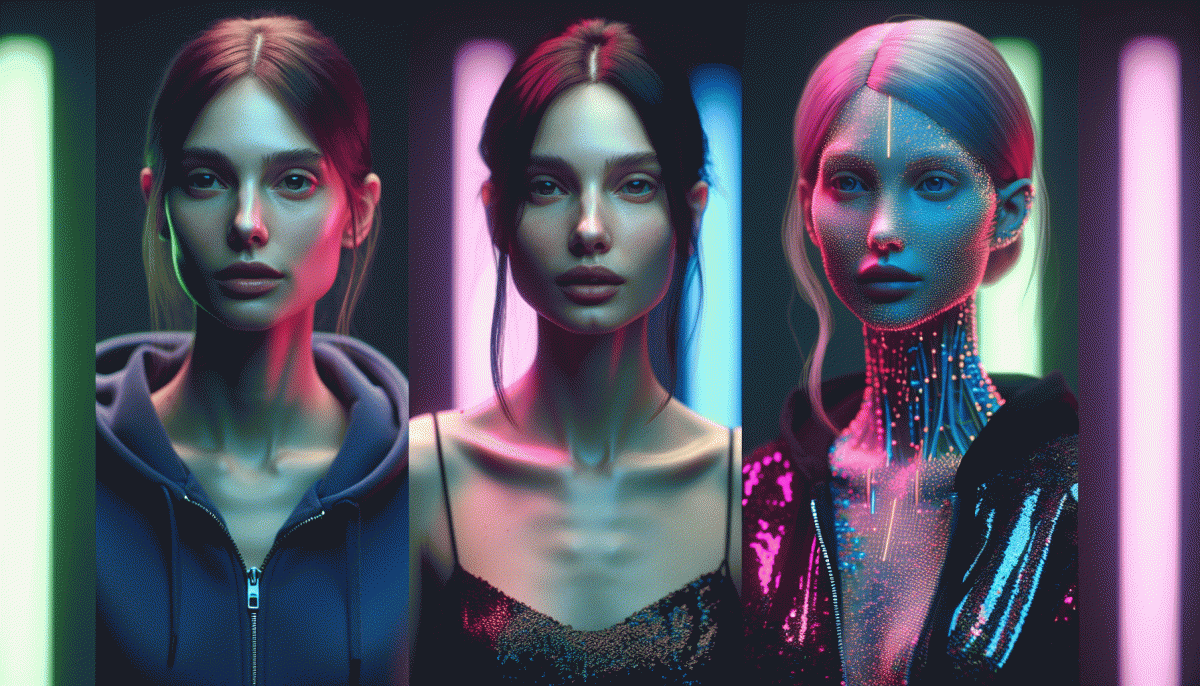
We Tested Raw vs Flashy vs Weird — The Winner Will Shock You
Raw vibes: why scrappy beats slick when trust is the hook
Real people trust other real people. The shiny campaign with perfect lighting and scripted lines can impress for a moment, but when the ask is trust it is the small imperfections that close the deal. A shaky clip, an honest aside, a frank caption signal that a human stood behind the message. That tiny signal makes skepticism relax and engagement follow.
Turn that insight into action by designing content that leans into process, not polish. Share a single production mistake, narrate a terse lesson learned, or post a behind the scenes clip that shows a fix in real time. Use close captions, candid audio, and brief notes about why a choice was made. These moves are cheap, fast, and often more persuasive than a week of retouching.
- Transparency: Show one small failure and the fix so the audience sees competence and candor.
- Speed: Ship imperfect work fast to gather reactions and iterate on feedback.
- Proof: Post short clips of real results or comments so the offer does not live in theory.
Set up simple experiments to measure the trust dividend. Run two versions of the same message, one raw and one slick, and compare comments, saves, and direct messages. Track qualitative signals like tone of replies and request for clarification. Often the raw version will generate longer, warmer conversations that convert better downstream.
Start small: commit to three microtests this week, keep production under 20 minutes each, and log what earned trust. If you want more wins, package the highest performing raw moment into a recurring series. Authenticity scales when it is practiced, not manufactured.
Flashy brilliance: dopamine hits, scroll stopping tricks, hidden costs
Flashy creative grabs eyes by design: kinetic thumbnails, staccato text, neon palettes, and punchy hooks that force the thumb to pause. These tricks act like tiny dopamine injections that reward the scroller for stopping. The result is immediate lift in reach and engagement metrics, and that visceral thrill of watching numbers climb.
Under the surface the brain is doing the heavy lifting. Rapid rewards teach the audience to expect novelty, which raises short term engagement but accelerates habituation. What felt like a viral formula on day one becomes white noise on day seven. Vanity metrics swell, but attention depth often shrinks, leaving impressions that look great on a dashboard yet mean less in the inbox or at checkout.
The hidden costs are real: higher churn, degraded brand trust, and wasted creative spend when flashy content cannibalizes your own slower selling assets. Algorithms can flag overly sensational patterns as low value, reducing organic distribution. Worst case, flashy becomes the new normal and your audience will demand ever louder stunts just to get the same reaction.
Use flash selectively and with guardrails. Treat loud creative as an experiment: A B test click to conversion, cap frequency, and always pair a dopamine bait with a clear next step. Keep a baseline of authentic, value driven posts to sustain loyalty. In short, enjoy the rush, but measure real outcomes and design the escape hatch from the dopamine loop.
Weird works: pattern breaks that glue your brand to memory
Humor, odd visuals, and tiny rule breaks are not a marketing fad; they are cognitive hooks. When an ad interrupts an expected rhythm, the brain pauses, files the surprise, and treats the brand as the cause. That pause is cheap attention that lasts: memory encoding spikes because the pattern was violated. The trick is to be purposeful, not random—weird that helps recall is calibrated weird.
Start with low-risk pattern breaks that are easy to replicate. Swap a familiar font for a friendly hand-drawn caption, answer comments with an unexpected persona, or end a 15-second clip with a non sequitur beat. Small, repeatable oddities compound into distinctiveness:
- Surprise: Use one element that contradicts expectations for 2 seconds to create a memory spike.
- Persona: Give customer replies a single eccentric voice so interactions feel curated, not scripted.
- Timing: Drop content at offbeat moments to beat the noise and own a time slot.
Make it measurable. Run A/B slices where only the oddball element changes and watch engagement lift versus control. Track short term metrics like saves, comments, and view-through rate, then connect the winners to conversion lift. If you need a fast way to validate weird ideas in platform feeds, check this: buy TT boosting to get rapid signal without blowing budget.
Weird is a lever, not a gimmick. Start with microtests, double down on elements that cause measurable recall, and fold the rest into your voice. Over time, those intentional pattern breaks will do the heavy lifting of brand memory while your competitors keep playing the same tune.
The style selector: a 10 second test to choose what to ship
Deciding what to ship should take less time than you spend choosing a coffee. Treat this as a speed audition: in ten seconds you want one of three emotional fingerprints to land — honest, loud, or odd. Prepare a single visual and a single line of copy, then force a binary gut call: would this stop a scroller?
Start with an instant-truth question: does this feel handcrafted or manufactured? If handcrafted, lean into sparse, tactile cues and let authenticity do the heavy lifting. If manufactured, go bold with high-contrast visuals and kinetic language to earn clicks. If neither fits and the idea is quirky enough to spark curiosity, tilt toward experimentation and let the weirdness be the hook.
A simple three-second rehearsal will reveal the winner. Show the image for three seconds, mute any voiceover, and read the headline out loud. If the reaction is a pause then tilt to flashy; if there is recognition and a small smile then raw wins; if there is a puzzled laugh then weird might outplay both. Record which reaction happened first and treat it as data.
Turn that reaction into rules. If raw wins, remove two filters, simplify copy, and add human detail. If flashy wins, amp color, shorten the headline, and introduce motion. If weird wins, keep the mystery but add a tiny anchor so the audience can land. Ship the version that triggered the first honest reaction, not the one that sounded smarter.
The goal is speed and intention. Treat the ten-second selector as a fidelity filter: fast feedback beats perfect indecision. Repeat the test with three different people and pick the consensus. Then iterate fast. You will be surprised how often the simplest cue predicts performance better than long design debates.
Make it real: plug and play formats for Raw, Flashy, and Weird
Think of these as three plug-and-play kits you can drop into any calendar and forget—until the metrics light up. Raw is your human-in-a-room shorthand: shaky cam, candid voiceover, and a question that invites a one-line reply. Flashy is your high-octane demo: bold type, jump cuts, and a product moment that sparks an instant scroll-stop. Weird is your curiosity gambit: odd juxtaposition, a tiny narrative, and a twist that makes people rewatch.
Raw format (plug): Hook: 3–5s personal confession.
Shot: single-take vertical.
Audio: real room noise, minimal music.
Caption: one-line prompt + emoji. Publish as a two-post arc—day one raw, day two follow-up with answers. Run as a constant cadence to build authenticity without heavy editing.
Flashy format (plug): Hook: 1–2 bold text frames.
Shot: 6–12s montage with motion graphics.
Audio: upbeat hook music.
CTA: single measurable action (tap, shop, save). Use templates for thumbnails and color palettes so every asset is production-ready in under an hour.
Weird format (plug): Hook: a tiny yes/no mind-bend.
Shot: unexpected prop or POV.
Audio: quirky FX or silence.
Test: A/B weird vs. safe to learn what converts. Want ready-made creative prompts and quick deployment? Try Instagram boosting site to jumpstart experiments.
Read also

Raw, Flashy, or Weird? The One Style That Crushes Conversions Might Surprise You

Raw vs. Flashy vs. Weird: The Showdown Your Brand Didn’t Know It Needed
Raw vs Flashy vs Weird: The Creative Cage Match No One Saw Coming

UGC Off Social? We Tested It—And the Results Will Surprise You

Raw vs. Flashy vs. Weird: We Ran the Showdown—Guess Which Style Actually Wins?