We Tested Raw vs Flashy vs Weird — Guess Which One Crushed It?
Raw: The scrappy charm that turns scrolls into stops
There is a beautiful kind of chaos that happens when someone presses record on a phone and forgets to worry about filters, gimbals, or immune system levels of polish. The scrappy approach wins attention because it feels like an unlocked door into a real moment: a quick gripe, a tiny triumph, a messy kitchen, a candid laugh. In our test lab of shiny versus strange, the raw clips were the ones people paused on and told their friends about.
Want reproducible raw magic? Keep production tiny, story tight, and emotion obvious. Try these micro-hacks and watch your thumb stop mid-scroll:
- Hook: Lead with a disarming line in the first two seconds.
- Timing: Keep it under 45 seconds and cut anything that slows the beat.
- CTA: End with a human prompt, not a corporate ask.
Performance is simple: lower barriers mean more creators and more authentic signals for algorithms. Raw content invites comments because it feels like a conversation you can join without rehearsing. It also scales fast since anyone can make it.
Action plan: film one tiny, imperfect clip today, post it immediately, and iterate based on reactions. Treat every raw post as a lab test, not a polished deliverable, and you will harvest momentum that glossy pieces often miss.
Flashy: High gloss, high risk, high reward
Flashy campaigns stroll into a room wearing a glitter jacket: glossy visuals, gigantic type, slick motion, and production values that demand attention. They thrive in short attention spans and noisy feeds where a single bold frame can stop a thumb mid-scroll. That stop is the currency of flash—instant awareness that either converts or publicly fizzles.
When flashy hits, the results are often dramatic: double‑digit lifts in CTR, immediate spikes in branded searches, and shareable clips that extend reach without extra spend. It leverages emotion, novelty, and clear visual hierarchy to shorten the path from "oh" to "buy." Teams who prize fast growth keep a shiny slot in every creative calendar because those early wins compound.
High reward comes with high risk. Flashy eats budget fast, can feel disingenuous if the product underdelivers, and sometimes triggers negative sentiment or platform scrutiny for being too sensational. The damage can linger as churn, bad reviews, or a bruised brand voice—especially when spectacle replaces substance rather than amplifying it.
Keep the shine without burning the house down: Test small — run a bold variant against a pared‑back control with strict spend caps. Anchor truth — surface proof points or guarantees within the first three seconds so the gloss supports trust. Measure micro‑wins — track early signals like comment sentiment and micro‑conversions, and refresh creatives weekly to avoid fatigue.
The flashy options in our experiments crushed it when the spectacle spotlighted something real: an irresistible offer, authentic user proof, or a visual hook tied to a clear action. Use flash to accelerate momentum, not to paper over weak fundamentals. Be bold, measure ruthlessly, and be ready to swap the glitter for grit if performance dips.
Weird: The delightful curveball that hijacks attention
We've learned that the best campaigns aren't always the loudest or the purest — they're the ones that make people blink, chuckle, or squint and then share. Weird does that. It's the playful hiccup in a scroll feed: a misfit visual, an odd metaphor, a voice that sounds like it wasn't meant to be a brand voice but somehow fits. That friction converts curiosity into clicks.
Execution is simple but brave: pick one expectation and flip it. Replace a product photo with an unexpected prop, swap professional polish for homemade charm, or write a headline that reads like an inside joke. The goal isn't chaos, it's contrast — a single, memorable misalignment that stops the thumb and invites a double-take.
Make it measurable. Run small, isolated tests: two creatives, identical targeting, ninety-six hours. Track micro-metrics like watch time, comments, saves and the weird one — replies that mention the oddity. Keep brand signals consistent so the surprise is the hook, not a credibility risk.
Ready to punch above your size? Try three 48-hour experiments: tone swap, visual mismatch, and a bizarre CTA. Double down on the winner, and treat weird like a repeatable playbook rather than a lucky accident. Weird doesn't replace strategy — it makes strategy irresistible.
Run the showdown: A simple split test to crown your champ on Instagram
Think of this like a tiny Instagram tournament: publish three near-identical posts — one raw, one flashy, one weird — same caption, same hashtags, same posting minute. The only thing that changes is the creative vibe. Let them run for 48–72 hours, then compare the headline metric you care about (saves for long-term interest, comments for engagement, views for reach).
boost your Instagram account for free to drive neutral traffic into each variant if you need a nudge; just be sure the traffic source is identical for all three so the contest stays fair.
- Launch: Post all three within a 15-minute window to neutralize time-of-day effects.
- ⚙️ Control: Keep captions, hashtags, and first comment identical — change only the visual language.
- Judge: Pick one primary KPI and a tie-breaker (example: saves as primary, comments as tie-breaker).
When one style delivers a clear uplift (think 20%+ better on the primary KPI), double down: iterate on that vibe, test variations, and scale the winner. Repeat the mini-showdown every few weeks to keep up with trends — creativity evolves, winners can flip, and you get smarter with every round.
Steal the win: Mix, match, and stack styles for bigger lift
Think of styling like stacking tracks in a hit song: a raw guitar riff for authenticity, a glossy synth for shine, and a tiny weird groove to make ears perk up. Mix them in small doses so the combo feels intentional, not chaotic.
Start by locking one dominant voice. If you choose raw, keep captions candid and unvarnished, then layer a flashy thumbnail or a quick animation to stop the scroll. Add one oddball moment—an unexpected cut, a quirky sticker, or an offbeat caption line—to create memorability without derailing trust.
Test like a scientist with a flair for drama: run short A/B runs with one variable changed at a time. Track reach, saves, and shares rather than vanity metrics, then scale the variant that lifts deeper engagement rather than just clicks.
If you want to accelerate reach for those split tests, consider strategic boosts to get initial traction: buy Instagram followers cheap to seed social proof while your creative experiments find their rhythm.
Keep a growth loop: iterate on the winning stack, rotate fresh weirdness weekly, and prune anything that only dazzles without delivering action. Small, stacked wins compound fast when you measure and repeat.
Read also

We Tested 7 Instagram Post Formats—Guess Which One Crushed Engagement?

Raw vs. Flashy vs. Weird: We Ran the Showdown—Guess Which Style Actually Wins?

Raw, Flashy, or Weird? The One Style That Crushes Conversions Might Surprise You

Raw vs. Flashy vs. Weird: The Showdown Your Brand Didn’t Know It Needed
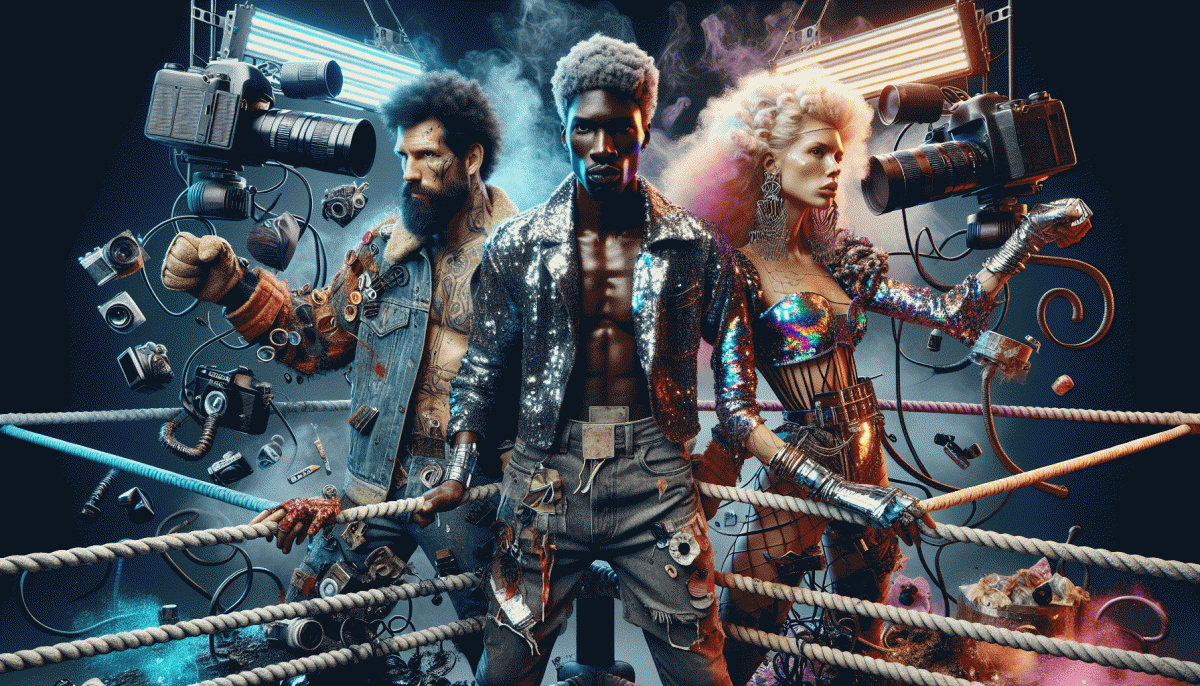
Raw vs Flashy vs Weird: The Creative Cage Match No One Saw Coming