
We Tested Raw, Flashy, and Weird—You Won't Believe Which Style Converts
The Split-Test Showdown: How We Pitted Styles Head-to-Head
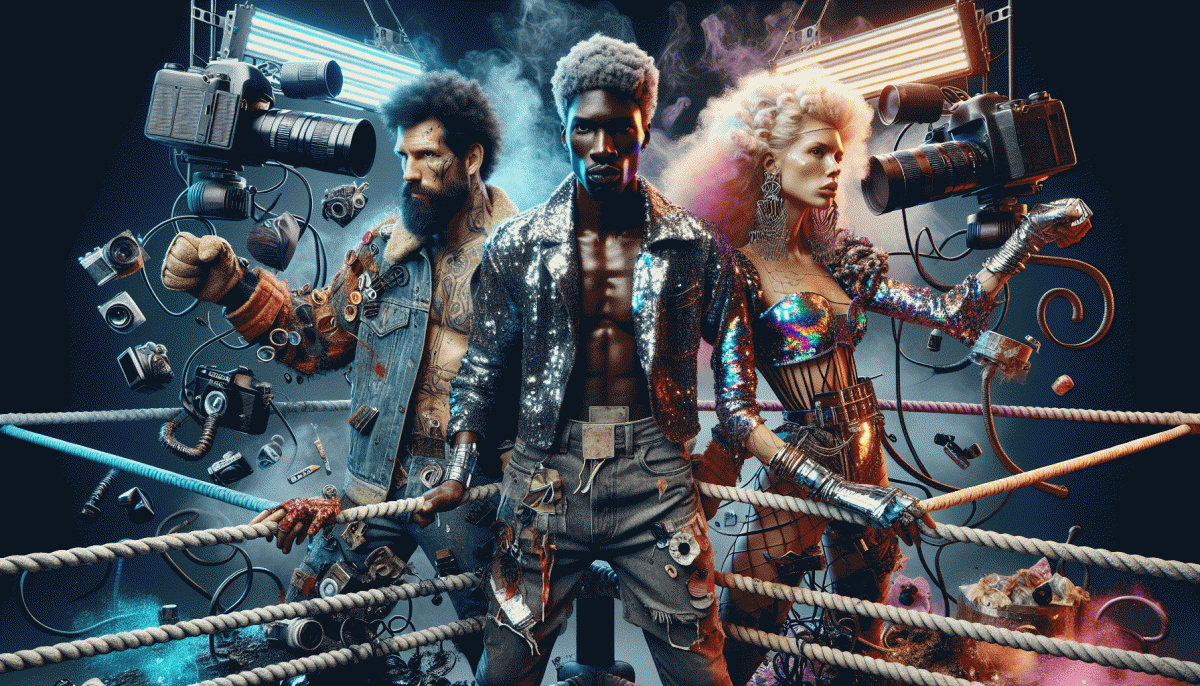
We treated the split test like a backstage pass to real human behavior: three crews, one stage, identical offers. Each creative style got equal impressions and budget so performance differences could not hide behind sampling noise. The goal was simple and slightly ruthless — let design and message duke it out and observe which one actually nudged people from curious to converted. The setup kept variables tight so the creative itself carried the verdict.
On the measurement side we tracked conversion rate, cost per conversion, post-click retention, and micro-engagement signals like time on page and scroll depth. Traffic was divided into equal thirds, tracking pixels captured events, and variants ran for a minimum of four weeks or until each hit a thousand clicks. We mixed hard numbers with qualitative evidence from session replays and comment threads so patterns had context, not just p values.
Key signals to watch landed into three action items that explain why one style wins over another:
- Raw: Low polish, high empathy. Fast edits and authentic voices often lowered friction and built trust quickly, turning small curiosity into easy conversions.
- Flashy: High production, quick hooks. Bold visuals and kinetic text grabbed attention and pushed short term clicks, but required tighter targeting to sustain good CPL.
- Weird: Unexpected angles and odd humor. This split the audience — it generated strong engagement from niche segments and excellent retention where the joke landed, but underperformed in broad, cold traffic.
Actionable takeaway: do your own three-way test with the same constraints we used, and treat qualitative signals as tie breakers. If one style clearly outperforms, iterate on elements that moved the needle; if results are mixed, run element swaps (headline, hero image, CTA) to isolate the winning ingredient. Small, disciplined experiments win over big creative guesses — and that is exactly the mindset that turns wild ideas into reliable conversion lifts.
When Raw Rules: Gritty Content That Builds Instant Trust
Lean, unvarnished clips and messy screenshots do one thing polished content cannot: they answer the trust question instantly. When a creator lets the camera wobble, shows a real mistake, or narrates a late night grind, viewers lower their guard. That immediate closeness makes audiences feel like insiders rather than targets, and closeness is the short path from passive scroll to active click.
In our split tests the raw variant earned more comments, saves, and DMs than high production alternatives. The reason is simple: gritty content invites participation. Instead of admiring craft from afar, viewers nod, reply, and share their own mini confessions. Those micro interactions compound into social proof that signals to others that this account is human and useful — which is exactly what converts.
Make raw work with three practical moves. First, capture a 30 to 90 second clip that shows a problem, the failed attempt, and one honest lesson. Second, caption with a tiny vulnerability hook and a single, clear next step. Third, reuse that same clip across formats with only light trimming so the authenticity stays intact. Keep audio natural; overproduced music erodes credibility.
Measure success with engagement velocity: comments per hour, saves, share rate and direct messages. If conversions lag, layer a short testimonials reel or a simple before and after to reduce friction. Warning: raw is not sloppy by default; it is deliberate honesty. Experiment boldly, iterate quickly, and you will find raw is less about grit and more about trust economics.
Flashy That Actually Works: Shine Without the Puffery
Shiny does not equal shallow. When done with intention, gloss and motion act like a spotlight, not a smoke machine. Start by deciding the single thing you want a person to notice in three seconds, then give that element room to breathe. Use color, scale, and a touch of movement to point attention, and remove anything that competes for the spotlight.
Be practical about polish. Lead with a benefit line that tells exactly what changes for the user, add a short product in use clip under 8 seconds, and keep copy tight. Swap vague praise for specific outcomes and numbers. Use one bold call to action with a clear next step, and sprinkle micro feedback so users feel the interface respond when they interact. This is how shine becomes persuasion instead of puffery.
- Headline: Sum the result in one snappy sentence so the visual has context.
- Motion: Use subtle loops or reveals to draw the eye, not to distract from conversion.
- Proof: Show a real metric, testimonial snippet, or live count to anchor the claim.
Measure every shiny tweak. Run small A B tests that change only the visual element, track CTR to the funnel and cost per conversion, then scale winners. Flash that actually works is humble about claims, bold about clarity, and relentless about testing. That is how shine starts paying for itself.
Getting Weird (On Purpose): Pattern Breaks That Stop the Scroll
Make weirdness a tool, not a tantrum. The point is to break the pattern your audience has learned to ignore, so plan the surprise. Swap a polished intro for a glitch frame, drop an eyebrow-raising headline that contradicts the image, or use sudden silence where everyone else uses music. When done with purpose, these jolts are not gimmicks but shortcuts to attention and curiosity.
Design pattern breaks that are cheap to test and easy to roll back. Try an off-grid composition, inverted colors for one frame, or copy that interrupts its own sentence. Use motion that moves against the scroll, or a tiny interactive cheat like a misaligned CTA that nudges a thumb. Keep variations tight: change one element per test so you learn exactly what stopped the scroll.
If you want to scale rapid experiments on a platform where pattern breaks pay off fast, check a practical way to push visibility: cheap Instagram boosting service. It is not a magic trick, it is fuel for more tests — boost a few weird posts, watch which oddities convert, and invest in the winners.
Measure micro behaviors not vanity metrics. Track start-to-finish views, rewinds, saves, and the lift in comments that show real engagement. Pair a clear hypothesis with each test, run for a meaningful sample, and treat odd winners as new defaults to iterate on. Be brave, be deliberate, and remember: a little tasteful weirdness beats another perfectly forgettable thumb scroll.
The 3-Switch Framework: Choose the Right Style for Any Campaign
Think of the 3-Switch Framework as a soundboard for creative decisions: three independent toggles that you flip to align style with audience, offer, and risk tolerance. Treat Raw, Flashy, and Weird not as mutually exclusive identities but as axis settings—each campaign mixes them in different ratios. The job is to pick which two switches to emphasize and which one to nudge down.
Flip the first switch to control credibility: crank it up for honest, no-frills copy and candid visuals when skepticism is high. Use the second switch for spectacle and velocity: pump it when you need attention fast and the product is emotionally obvious. The third switch creates curiosity and memorability; use it where novelty drives shares but track post-click friction. Always change one switch at a time and run short A/B tests so you know which toggle moved the needle.
- Raw: Use for high-trust segments and complex offers; trade polish for authenticity and watch conversion lift from clearer messaging.
- Flashy: Use for cold audiences and launches; prioritize bold visuals and short, urgent CTAs to increase click volume.
- Weird: Use for social virality and niche fans; inject uncanny hooks but measure on-site bounce to avoid wasted reach.
Turn this into a 7 to 14 day experiment: pick one KPI per switch, split traffic evenly, and collect both behavioral and qualitative signals. If flashy gets clicks but not conversions, dial down spectacle and raise raw to clarify value. If weird sparks shares but not purchases, retain the hook while simplifying the checkout path. The 3-Switch Framework makes style a testable lever, not a personality test.
Read also

Raw vs. Flashy vs. Weird: We Ran the Showdown—Guess Which Style Actually Wins?

Raw, Flashy, or Weird? The One Style That Crushes Conversions Might Surprise You

We Tested 7 Instagram Post Formats—Guess Which One Crushed Engagement?

Raw vs. Flashy vs. Weird: The Showdown Your Brand Didn’t Know It Needed
Raw vs Flashy vs Weird: The Creative Cage Match No One Saw Coming