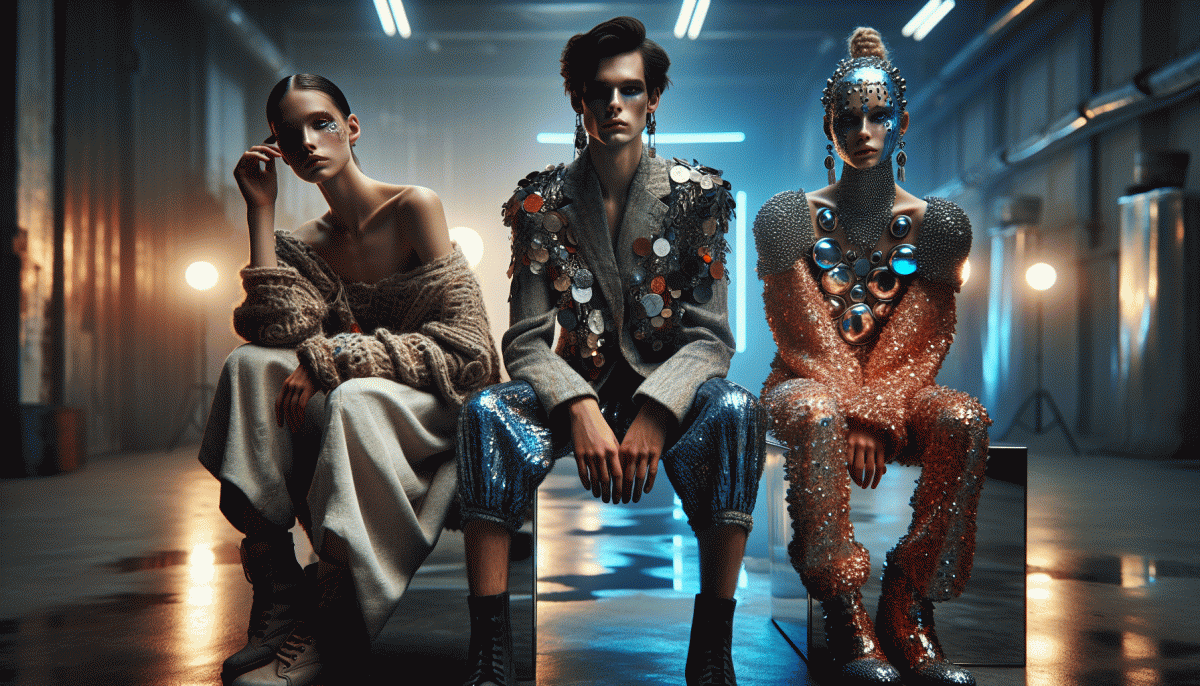
We Tested Raw, Flashy, and Weird — You Will Not Believe Which Style Wins
Raw: The No-Filter Charm That Builds Instant Trust
There is a magnetic honesty to unvarnished posts: a slightly crooked selfie, a fridge light, a voice cracking in the middle of a sentence. That rawness signals real people behind the camera, and people buy into people. Brands that let small flaws through build a short circuit to trust — and trust is the currency that makes followers turn into customers.
Practically speaking, embrace the tools you already have. Film on a phone, hold it in your hand, keep your subject loose and moving. Skip the endless reshoots and stop ironing out every sentence; leave in a laugh or a stumble. Use natural sound, minimal color grading, and captions for clarity. The result: authenticity that edits itself into something shareable.
Raw works best when context matters: crisis responses, product fixes, human testimonials, day-in-the-life content. It reduces friction for audience empathy and drives more candid comments and saves than glossy posts in many categories. If you want people to reply with their own stories, show a real person solving a real problem, not a polished commercial.
That said, raw is not sloppy. Keep a clear point: hook, context, payoff. Frame the shot, respect lighting so faces are visible, and keep audio intelligible. Avoid content that feels careless or disrespectful. A quick checklist — steady eyes on subject, two takeaways, captioned lines — keeps authenticity from becoming amateur hour.
Treat it like an experiment: run two versions of the same idea—one raw, one produced—same caption and CTA, then compare watch time, replies, and shares after 48–72 hours. If the raw wins, amplify it: more behind-the-scenes, less polish. If not, blend. The beauty is you can iterate fast and let the audience tell you what feels true.
Flashy: All the Sparkle, None of the Scroll-Stop? Not So Fast
Glitter and motion do a lot of heavy lifting in the fight for attention: bright colors, fast cuts, and a face that looks like it knows a secret. Flashy work can feel like a cheat code for eyes, but the real trick is turning those glances into meaningful action. Craft the spectacle so it serves a goal, not just a dopamine hit.
When flash is tactical it amplifies a message; when it is random it masks it. Start every piece by naming the one outcome you want and build the shine around that metric. For platform-specific playbooks and growth ideas, see effective YouTube boosting for how to pair visual punch with deliverable results.
Use these quick rules of thumb to keep sparkle accountable:
- Hook: Open with a visual twist in the first 1.5 seconds to earn the next ten.
- Pacing: Match cut speed to cognitive load; rapid edits need obvious story beats.
- CTA: Signal the action twice and make it frictionless.
Finally, measure. Run short A/B tests that swap one flashy element at a time and compare retention, clicks, and conversions. If sparkle lifts attention but not outcome, dial it back and use it as seasoning. When it lifts both, you have a high-converting look that also stops the scroll.
Weird: The Oddball Advantage That Hijacks Attention
Oddball creative wins because it interrupts expectation. When a feed becomes predictable, an odd detail acts like a curiosity beacon and forces a pause. That pause converts to attention if the surprise is anchored to a clear idea, not chaos. Aim to be intriguingly offbeat, then give the eye something to do.
- Format: Flip a common layout so viewers must look twice, then reward that look with a reveal.
- Tone: Pair robotic delivery with human warmth to make the voice oddly charming yet relatable.
- Trigger: Add one visual or line that creates cognitive dissonance and prompts a share or comment.
Make testing the backbone of weird work. Change one element per test, measure CTR, comment rate, shares and time on post, then scale the winners. Keep a control so you know whether novelty or distribution is driving lift, and cap frequency before the strange becomes stale.
Protect brand clarity even when being bizarre. Keep logo, color accents or a tagline visible so audiences link the oddity back to you. Rotate flavors of weird so community expectations evolve without fatigue, and always map each eccentric idea to a clear KPI.
Ready to amplify the experiment stage with quick reach? Consider a targeted boost to jumpstart visibility, for example buy TT followers, then watch comments and saves for true resonance.
How to Pick Your Winner: A 3-Question Style Fit Quiz
Stop scrolling and play dress-up for ninety seconds. This tiny quiz is engineered to cut through indecision: pick the letter that feels most you, tally As, Bs and Cs, then peek at the quick results. Don't overthink—your first instinct is usually the honest one.
Q1 — Your mood when you open the closet: A: Calm textures, clean lines, fabrics that breathe; B: Head-turning colors, shine, and dramatic silhouettes; C: Odd pairings, theatrical details, or pieces that make people do a double take.
Q2 — Go-to outing: A: Coffee, a market stroll, low-key creative meetups; B: Premieres, parties, nights where you want to be seen; C: Pop-up shows, underground galleries, anything gloriously offbeat. Q3 — What makes you feel powerful? A: Comfort that looks deliberate; B: All eyes on you; C: Being unpredictably original.
Mostly A = Raw: lean into quality basics, one standout accessory, and natural hues. Action: swap one fast-fashion item for a well-cut piece this month. Mostly B = Flashy: amplify with statement outerwear and confident color-blocking. Action: pick one showstopping piece and let the rest play support. Mostly C = Weird: play with proportion, texture clashes, and a signature oddity. Action: curate three conversation-starting items you can mix into everyday looks. Whatever your tally, treat this as a cheat sheet, not a rule book—try a small experiment next week and see which votes surprise you.
Swipeable Playbook: Mix and Match Prompts for Your Next Campaign
Think of this as a swipeable playbook of modular prompts you can mix and match for your next campaign carousel. Treat each slide like a tiny experiment: one slide tells a raw story, the next flashes bright proof, the last drops a weird detail that makes people stop and comment. The goal is not uniformity but tension.
Start by mapping one emotion to each creative lane: authenticity to build trust, spectacle to grab attention, and oddity to spark shareability. Use a practical starter ratio such as 60 percent raw, 30 percent flashy, 10 percent weird. That gives you a reliable baseline and room to twist the balance by audience segment and platform behavior.
Use these three prompt templates and swap them freely:
- Raw: A candid two line testimonial with a concrete number or result
- Flashy: A bold visual hook and a one line benefit that forces a double take
- Weird: A micro curiosity or unexpected comparison that invites comments
Assemble sequences by pairing types: open with a Raw moment to earn trust, punch with a Flashy stat to win the scroll, close with a Weird prompt to drive interaction. Test creative order and copy length with quick splits and keep CTAs tight and consistent.
Run rapid iterations: six variants per campaign, rotate daily, measure CTR and comment rate, then lock winners into a swipe file. Save combinations, not single assets, so you can remix the exact mix that wins next time.
Read also

Raw vs. Flashy vs. Weird: We Ran the Showdown—Guess Which Style Actually Wins?

Raw, Flashy, or Weird? The One Style That Crushes Conversions Might Surprise You

We Tested 7 Instagram Post Formats—Guess Which One Crushed Engagement?

Raw vs. Flashy vs. Weird: The Showdown Your Brand Didn’t Know It Needed
Raw vs Flashy vs Weird: The Creative Cage Match No One Saw Coming
