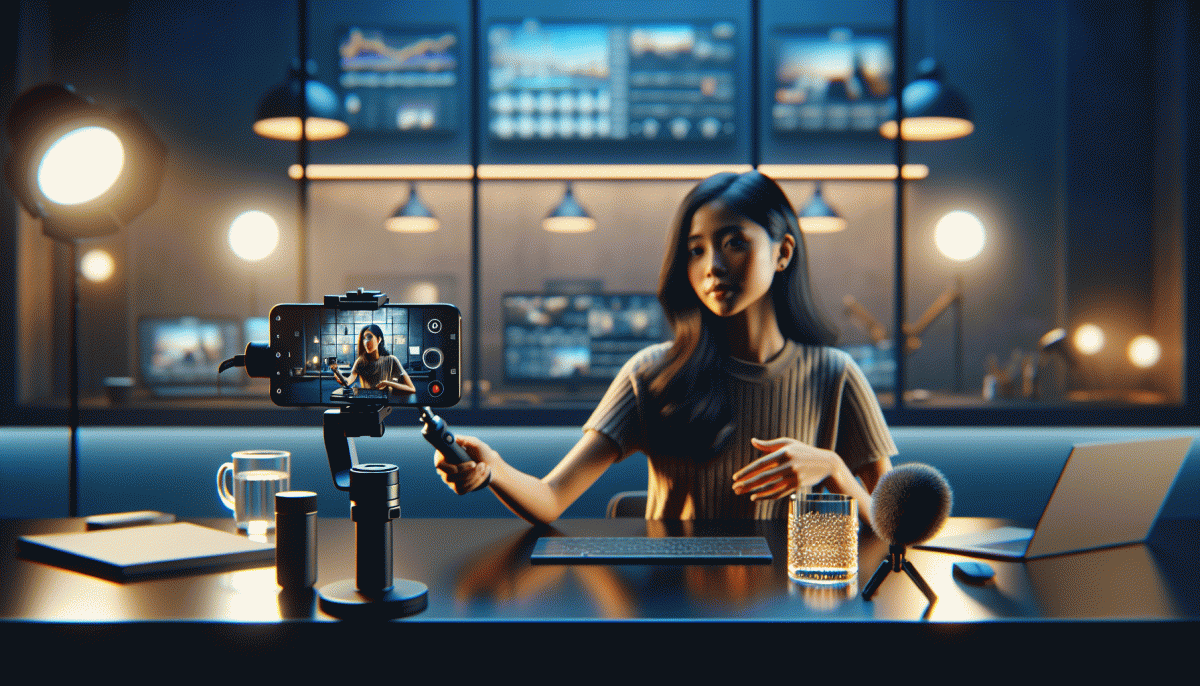
We Tested Every TikTok Format—Here Is the One That Obliterates Engagement
Videos vs. LIVE vs. Photo Mode: The Showdown You Did Not Know You Needed
Pick your weapon: polished videos, chaotic LIVE, or minimalist Photo Mode. Each can win when used like a scalpel not a sledgehammer. Short, edited videos pull attention through hooks, pacing, and smart captions; LIVE nails authenticity and session length, turning lurkers into commenters; Photo Mode wins for shareable punchlines and thumbnail-first thinking that sparks quick saves and reshares.
- Videos: Best for storytelling—cut, caption, and thumbnail work together to boost replays, saves, and algorithmic discovery.
- LIVE: Best for retention—real-time Q&A and unscripted moments create watch-time spikes and a comment-driven feedback loop.
- Photo: Best for speed—low production cost and high post frequency make it ideal for rapid testing and micro-viral hits.
Actionable cadence: publish a polished video to capture new viewers, drop Photo Mode posts to harvest ideas and micro-feedback, then host a LIVE to deepen relationships and convert interest into follows. If rapid validation is the goal, amplify initial social proof — for example get YouTube subscribers today — so you can test creatives against a clearer signal faster.
Run simple A/Bs for two weeks, track saves, watch time, comments, shares, and new followers, then double down on the format that fosters real conversation. Play smart: the format that forces people to act is the one that wins.
The Hook That Stops the Scroll in 1 Second
You get one second to prove your video matters. Nail that split-second with a tiny contradiction, a human face in motion, or an impossible stat; those force a hard stop. Start with a tiny storyline - 'I ruined my wedding cake' - or a bold visual: hands dripping paint, a clock exploding. Keep language immediate, verbs up front, and don't waste the frame on logos.
Sound is half the hook: a raspy whisper, an abrupt silence, or a surprising beat drop syncs attention. Use cuts: 0.2s close-up, 0.3s reaction, 0.5s reveal - micro-editing that reads like a punchline. Test voiceover against on-screen text: captions often do the heavy lifting because most people watch without sound.
- Curiosity: One-line cliffhanger that forces a question - 'I learned this in 48 hours'… then show a teasing clip.
- Contrast: Pair calm visuals with urgent copy - slow sunrise + 'This will ruin everything you know.'
- Shock: A tiny, visceral image that feels forbidden or gloriously silly - then pivot to value.
Measure retention at 1s, 3s, and 6s, then iterate; small tweaks flip totals. Make nine quick variations and run them against each other for 24 hours to find what actually stops thumbs. Attention is a fickle currency - spend it on one brilliant opening, not on long explanations.
Creator Collabs: The Fast Pass to FYP Stardom
Collabs are the shortcut everyone pretends is 'organic'—two creators, one algorithm, exponential reach. When your winning format already slices through the feed, pairing it with a creator who delivers complementary attention can amplify traction overnight. The smart play is targeting partners who spark interaction, not just vanity metrics: micro creators with loyal commenters often hand you more momentum than a single mega-shoutout.
Frame the partnership like a tiny stunt: agree on a 3-second hook, lean into duet or stitch mechanics, and design a role swap so both feeds feel fresh. Script the opening but leave room for improv—authentic friction equals comments. Drop a clear engagement prompt ('Finish this line', 'Which side are you on?') and make it effortless for viewers to reply.
Keep production fast, not fussy: 15–30 seconds, sharp lighting, readable on-screen captions, and a repeatable audio bite. Encourage your collaborator to pin the post and share it to stories; repurpose the sound as a micro-challenge. Small editing flourishes—snap cuts, sticker CTAs, quick captions—convert curiosity into saves, shares, and algorithmic momentum.
For a low-risk test, swap DMs, post within 48 hours of each other, and track views-per-mention instead of raw likes. If you want to accelerate, consider a modest boost to seed initial velocity—think of it as rolling the tires before the drift. Ready to try the Fast Pass approach? Pair up, publish, and watch the FYP scoreboard change.
Captions, Hashtags, and Sounds: Tiny Tweaks, Massive Spikes
Think of captions as tiny stage directions: the first two lines decide whether people scroll past or stop. Lead with a micro CTA, a surprising fact, or a one line cliffhanger that makes the viewer want context. Keep the opening 3–7 words punchy, drop a line break, then use the rest of the caption to add context, chips of personality, and one clear action. Emojis are fine as rhythm markers, not decoration overload.
Hashtags are not just reach, they are routing: pair one trending tag with two niche tags and a location tag to get into discovery wheels and community feeds at once. Aim for 3–7 tags, rotate one or two per post to test signal, and avoid tags that look spammy or overbaked. Track which niche tags move viewers from 5 seconds to 20 seconds of watch time and double down on those.
Sounds change the algorithm handshake: original sounds and short viral clips behave differently. Using an original voiceover often signals unique content and can boost survival in small communities; using a trending sound can get you in front of a much bigger audience fast. Best practice: create a 2–6 second audio hook, then produce three edits of the same clip with slightly different beats or cuts. Test: same visual, different sound, 24–48 hour comparison.
A quick testing checklist: write three caption hooks, try 4–6 tags with one trending, and publish two audio variants; measure retention at 3, 7, and 15 seconds. Small tweaks compound: one tiny caption edit plus a smarter hashtag choice and the right sound turned our median engagement into an outlier. Run the mini experiment, keep what spikes, and repeat.
A Posting Cadence That Feeds the Algorithm Without Burning You Out
Algorithms crave predictability more than they crave perfection. Give the platform regular, varied signals: a dependable anchor clip you polish, plus lightweight experiments that test hooks, lengths, and formats. That mix trains the system to show your content more often while keeping the creative load manageable.
A practical schedule that survived testing: publish one polished anchor every other day, then drop one micro experiment each morning and one interactive followup most evenings. If daily output is impossible, aim for four to six posts a week with at least two experimental pieces — quicker wins come from quantity plus signal variety.
Batching is the secret sauce. Spend one session writing five hooks, one session filming three anchors, and one session editing micro clips. Build templates for opening lines and jump cuts so you can assemble content in 30 minute creative sprints. Repurpose winners into stitches, duets, or remixes to extend reach with minimal extra effort.
Measure with discipline: check performance at 24 and 48 hours, retire formats that underperform, and double down on ones that exceed median watch time. Protect creative energy with a weekly cap and scheduled rest days so this cadence feeds the algorithm without burning you out. Small systems beat sporadic inspiration.
Read also

We Pitted Instagram Formats Head to Head — Here Is the One That Crushes Engagement

Stop Scrolling: The Instagram Format That Crushes Engagement (Backed by A/B Tests)

Stop Scrolling: The Instagram Creative Format That Crushes Engagement

I Tested 97 Posts—Here Is the One Thing That Actually Drives Clicks on LinkedIn

We Tested Clickbait vs Value—Here's the Sweet Spot That Converts Like Crazy