
We Cracked It: Hooks That Actually Work in 2025 (Steal These Openers)
The 3-Second Rule: Win Attention Before the Scroll Wins
Three seconds isn't a rule of thumb — it's a law of survival in feeds. If your opener doesn't shout value, surprise, or emotion before a thumb flicks, the algorithm treats you like invisible content. Treat those first three seconds like a movie trailer: promise something worth sticking around for.
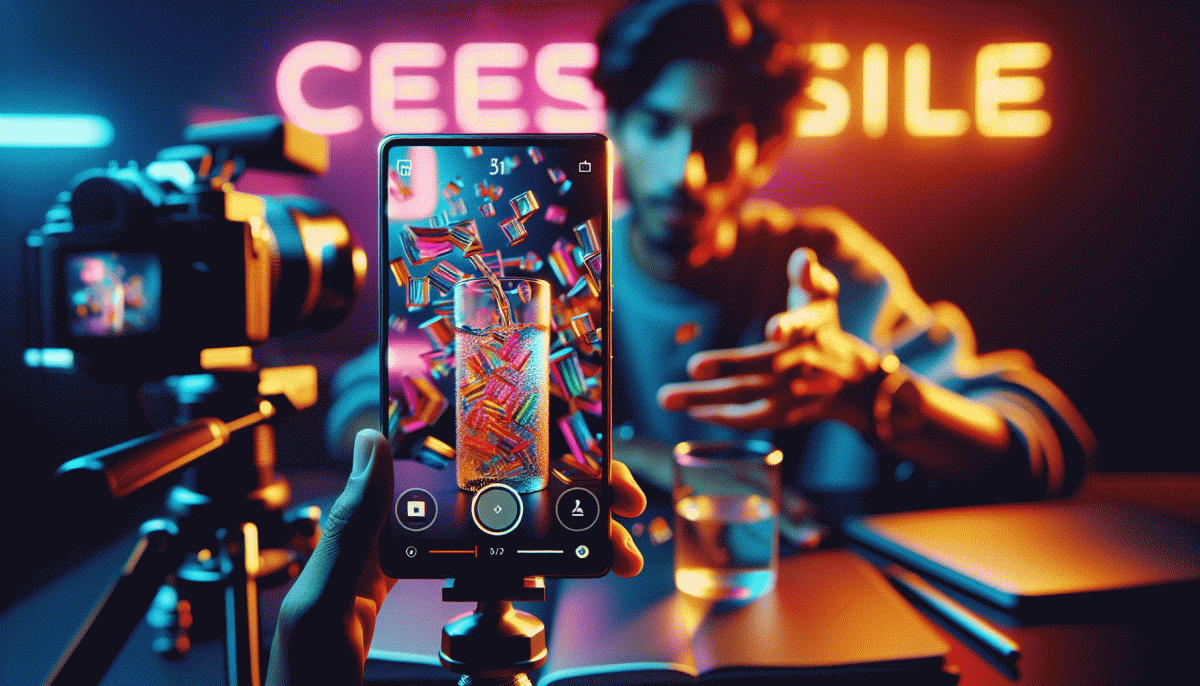
Start with a visual that punches. High contrast, close-up faces, or a sudden motion reset attention instantly; pair that with a bold, scannable headline inside the frame. Swap long pans for a single, intriguing image or action that answers "Why should I stop?" in under a beat.
Sound is the secret handshake on mobile: the first frame should make sense muted and sing loud with audio. Use captions and one short spoken line that doubles down on the visual promise. Vertical composition, large type, and a simple value sentence win more often than clever-but-confusing setups.
Test deliberately: create two versions that differ only in the first 3 seconds and compare retention at 3s and 10s. If version A holds +10% at 3s, roll it out. Small early wins compound — a tiny bump in initial arrest multiplies overall watch time and conversions.
Quick checklist before you publish: clear visual hook, readable headline in-frame, immediate benefit or curiosity, and sound that adds meaning. Nail that sequence and you'll turn skimmers into viewers — and viewers into fans.
Curiosity, Not Hype: Tease the Gap and Pay It Off Fast
Curiosity beats noise when you promise something missing and make the path clear. Start by naming the gap—what people assume vs. what actually happens—so your opener doesn't feel like hype. When readers sense a tiny mystery that matters to them, they'll click to close it.
Tease with one specific friction: a wrong assumption, a surprising metric, or a tiny secret. Use an economy of words: a crisp question, a one-line contradiction, or a short image. That sets expectations without overpromising, so the payoff can arrive in seconds—not paragraphs.
Paying off fast is a discipline. Give an instant, tangible win: a single stat, a micro-tactic, or a 10-second demo. Follow with a quick explanation of why it works. That short loop—tease, reveal, explain—builds trust and keeps readers engaged for the longer argument.
Swap fluff for templates you can adapt. Try: Surprising stat: "Here is what 72% of creators still get wrong...", Micro-confession: "I stopped doing X and my engagement tripled", or One-line fix: "Do this instead of that." Each opens a gap you can close fast.
Measure the payoff time: if your opener generates clicks but readers drop off before the payoff, shorten the bridge. A/B test where the reveal lives—first paragraph, caption, or first comment—and iterate until curiosity converts into value. Small, fast payoffs win in 2025.
Numbers That Nudge: Specific, Odd, and Outcome-Driven
Numbers sell because they change vague hype into a measurable promise. Replace "many people" with "17 marketers" and the opener acquires teeth: specific numbers are scannable, memorable, and signal confidence. Odd values like 7, 13, or 21 tend to feel more authentic than round tens because they imply someone counted instead of guessing.
Make your first line follow a tight formula: Specific + Odd + Outcome. Try openers such as "Gained 13 qualified leads in 9 days" or "Increased open rate by 3.7% after one subject line tweak." Notice the components — exact figure, non-round choice, and a clear result with a timeframe. Those parts tell the reader what success looks like and when to expect it.
Actionable testing tips: always have proof ready, prefer small believable gains over heroic claims, and experiment with decimals versus integers. Run A/B tests that swap 7 for 10 or 3.4% for 4% and measure clickthroughs; the more specific, odd variant often increases trust and CTR because it reads like a real outcome.
Before you publish, use this micro checklist: include an exact number, choose a non-round or decimal figure, attach a defined outcome and timeframe, and keep the claim verifiable. Numbers nudge attention, but credibility keeps it.
Pattern Interrupts That Crush on YouTube Shorts Right Now
Attention windows on Shorts are microscopic, so pattern interrupts must land like a surprise drum hit. Start every clip with a sensory mismatch or motion that violates expectation in the first 0.3–0.8 seconds: a sudden cut to a close up, a deliberate silence where sound should be, or an absurd prop that makes viewers blink. The goal is not shock for its own sake but to trigger a curiosity loop that pulls viewers past the 1st second and into the story.
Use these battle tested moves and adapt them to your niche: Reverse Motion: play a normal action backward for 0.5–1s then snap to normal speed for the reveal; Micro Twist: show one simple fact then immediately contradict it with a visual that forces a second look; Sound Mismatch: pair calming footage with an abrupt percussive hit or strange voice; POV Drop: rapid jump to first person so the viewer feels involved; Text Shock: bold, single-word overlay that interrupts the image and promises a payoff. Each of these should be paired with a promise within 3 seconds.
Want ready-to-run hooks and safe scaling tips? Check this curated resource for plug‑and‑play opener templates and growth ideas at fast and safe social media growth, then swap the tone and imagery to match your channel voice. The trick is to steal the structure, not copy the skin.
Plan a simple experiment: publish three Shorts that use different interrupts, track 1s and 3s retention, then double down on the best performer. A compact formula to test: 0.2s shock, 0.6s tease, 3s payoff. Keep it short, weird, and explain the value fast; when viewers are surprised and rewarded, they keep watching.
Copy-Paste This: 10 Hook Templates for Ads, Emails, and Reels
Want plug-and-play openers that actually stop thumbs? Here are three to paste and test fast: 1. "Stop scrolling — X can fix Y in under 5 minutes." 2. "I tried X for 7 days and here is what happened." 3. "What no one tells you about X (until now)." These work for headlines, subject lines, and first frames.
Keep momentum with tactical curiosity and consequence: 4. "If you like X, you will love Y — here is why." 5. "The #1 mistake people make with X and how to avoid it." 6. "The tiny tweak that doubled my X overnight." Use these to tease value then deliver quickly.
Flip to social proof and urgency for stronger pulls: 7. "How 1,000 people solved X using this one trick." 8. "Only 20 spots left — join people who already see results." Pair with real numbers and a clear next step for best conversion.
For platform-specific growth, borrow this quick path to test hooks on Instagram — boost your Instagram account for free — then swap the outcome word to fit Ads, Emails, or Reels: results, opens, views.
Finish strong with a curiosity + benefit closer: 10. "You are one small change away from X — try this first." Pro tip: A/B two hooks per campaign, measure the first 3 seconds, and iterate daily. Keep it human, not hype, and have fun testing.
Read also
Stop Scrolling: The Hooks That Actually Work in 2026 (Steal These!)

Stop the Scroll: The Hooks That Actually Work in 2026 (Steal These!)

What Hooks Actually Work in 2026? Steal These Scroll-Stoppers Before Your Competitors Do

Stop Scrolling: The Hooks That Actually Work in 2026

Stop the Scroll: The Hooks That Actually Work in 2026