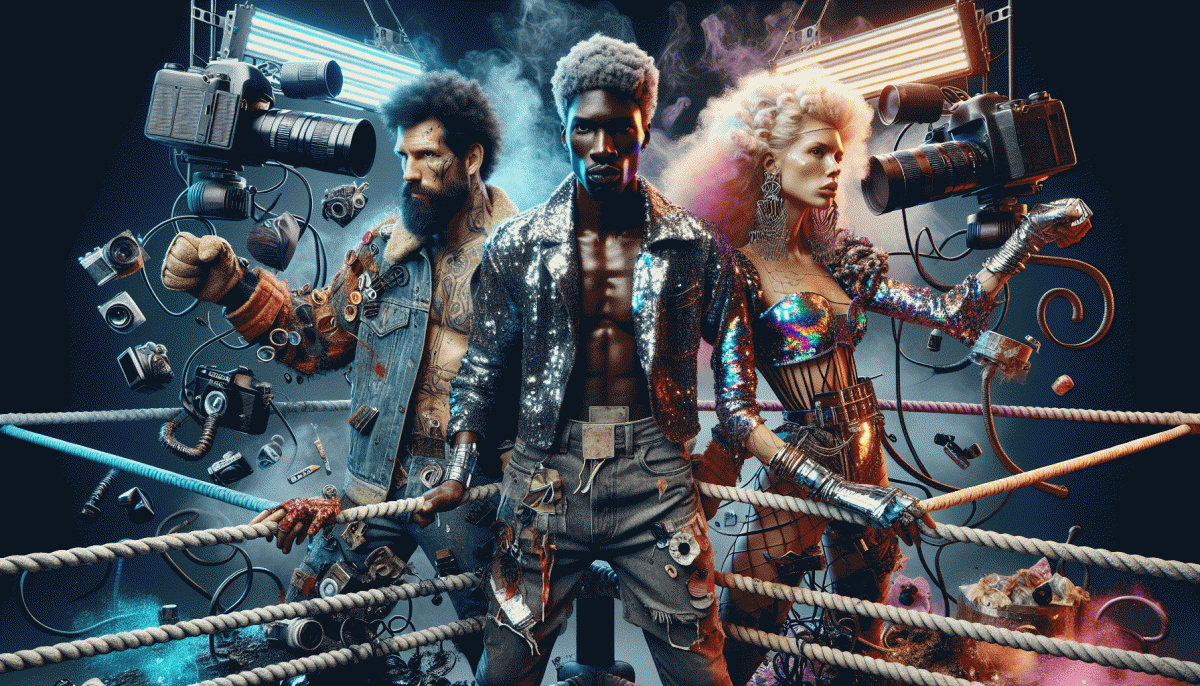
We A/B-Tested Vibes: Raw vs Flashy vs Weird — Guess Which One Crushed It?
Why 'polished' isn't always profitable: decoding attention in 3 seconds
Attention is a two beat dance: capture and confirm. In the first three seconds a viewer decides if they will stay or keep scrolling, so a too polished opener can feel like an ad dressed as an ad and get passed over. Raw, odd, or slightly messy often reads as authentic and worth investigating.
Polish signals safety but can also signal boredom. Contrast, motion, and an unexpected human detail break the autopilot scroll. Use a bold visual hook, a micro narrative, or a tiny tension point that raises a question in the mind of the viewer and forces a pause.
Make this operational: test a loud thumbnail against a sleek one, try a 0.5 second microanimation, or begin with a quirky sound that does not match the visuals. Measure playthrough at 3, 6, and 15 seconds instead of just total views. Small creative tweaks often outperform big production because they win that initial curiosity bid.
If you want to validate which vibe scales fastest, run these variants with a simple reach boost and watch early retention climb. Start experiments now and buy reach to get statistically useful signals in hours, not days.
The Raw Effect: shaky shots, real feels, ridiculous CTRs
Forget polish for a second. A handheld clip with a wobble, a laugh, and a phone camera glare will stop the scroll like nothing else. In our A/B testing the least produced spots pulled attention and turned passive exposure into active clicks. That raw energy signals real people rather than a rehearsed script, and attention converts into ridiculous CTR performance.
Why does it work? Humans are wired to trust cues of authenticity. A quick eye contact with the camera, a slightly offbeat laugh, or a visible hand holding a phone all cue spontaneity and lower ad skepticism. That contrast against glossy feeds amplifies curiosity and reduces ad fatigue. In practice this translated to clear double digit CTR lifts and improved short form retention on mobile.
Want to make your own raw winners? Keep production tiny and rules simple. Step 1: Film vertical and close, let the camera breathe with tiny movements. Step 2: Lead with a real moment or question in the first 1 to 2 seconds. Step 3: Keep copy conversational, not corporate. Step 4: Leave a deliberate imperfection in the cut to sell authenticity, then add captions for mute play.
Scale like a scientist. Test several raw variants against a polished control, track CTR and first 15 second retention, then double down on winners. When a raw hero starts to fade, iterate with a cleaner follow up that preserves voice. Embrace the wobble, optimize the signal, and watch clicks climb.
Flashy Fever: high-gloss edits that wow—do they actually convert?
Glittery transitions, chrome overlays, and that slick 3D pop — flashy edits stop thumbs in their tracks. In our A/B playground the high-gloss treatment consistently won attention: higher view-through rates, quicker swipes to watch next, and a lot more "wow" emojis in the comments. But attention isn't revenue; that's where the plot thickens.
Flash draws eyes because it's fast to parse and emotionally amplified. Use that power to spotlight one thing: the next step. If your edit screams premium but buries the CTA in confetti, people admire then exit. Think of gloss as a magnet — it pulls traffic, but your funnel must be the iron that holds it.
In practice we saw flashy creatives lift click-throughs and saves more often than conversions. The antidote is simple: instrument deeper signals. Track micro-conversions (video watch milestones, add-to-carts, scroll depth), compare session quality, and measure post-click behavior. If CTR jumps but purchase intent stalls, trim the spectacle or simplify the path-to-buy.
Practical tweaks that make flashy sell: pair bold visuals with a single, prominent CTA; reduce on-screen copy so the viewer knows the action in one glance; prioritize mobile performance so the sparkle doesn't cost load time; and A/B a toned-down variant to check for cannibalized intent. Little edits to hierarchy can turn applause into action.
So keep the shine, but get ruthless about measurement. Treat gloss like seasoning — it complements a well-cooked offer, it doesn't replace one. Test, capture real signals beyond vanity, iterate quickly, and you'll know if flashy is your conversion hero or just a very pretty distraction.
Embracing the Weird: pattern-breaks, purple llamas, and memorable hooks
Weird works because it interrupts autopilot. A purple llama, a sideways headline, or a two-second noise that feels slightly wrong force people to move from passive scrolling into curiosity. Pattern-breaks are not random chaos; they are carefully placed speed bumps that protect your message from the doom scroll. Neurologically it is simple: novelty increases attention and attention is the oxygen of conversion.
Start small and tactical: pick one element to break — visual, verbal, or structural. Visual: a color or character that does not belong. Verbal: a hook that contradicts expectation. Structural: a CTA that appears earlier than usual. Run tiny A/B tests so the weirdness is measured, not mystical. Quick metrics to watch are first-second retention, click-through, and comment lift.
Try a micro-story with a purple llama on a product page: two frames, first a whimsical mismatch, second the payoff that ties the weird image to a real benefit. Or drop a 1.2 second sound cue at the exact point where viewers decide to swipe up. These are practical experiments, not creative flights of fancy. Tie the payoff to a single benefit line so the quirky visual is not a dead end.
When you are ready to scale a winner, amplify the hook but respect the brand promise. Push the format that worked — vertical short, still image, or carousel — and use paid testing to accelerate learning. Measure CTR, view-through rate, comment sentiment, and cost per action as you scale. If you want a fast path to validate viral hooks on Instagram, consider services that help you scale tests quickly like get Instagram boost online.
Checklist to launch: choose one pattern-break, define the metric, run three variants, and decide with data. Weird is not an excuse for noise; it is a lever to cut through clutter. Use it sparingly, measure ruthlessly, and celebrate the oddballs that actually move numbers. And keep a file of your favorite oddballs so you can remix them later.
Steal the win: a simple test plan to pick your champion this week
Start small, move fast: pick one creative for each vibe — the raw behind-the-scenes, the flashy hero shot, and the weird curveball. Keep everything else identical: same headline, same CTA, same landing page. That isolates only the vibe so your winner is the real thing, not a creative fluke.
Split your audience evenly into three cohorts and allocate the same budget and runtime to each. Run the test for 48–72 hours or until each arm reaches ~5,000 impressions or ~30 conversions. Track CTR and conversion rate, but watch engagement depth (time on page) as a tie breaker.
Declare a winner when one vibe beats the others by a comfortable margin (we use 10% uplift on the KPI) and passes engagement guardrails. If results are close, run a 1:1 head-to-head for one more day. Once confident, scale the winner gradually — 2x, then 4x — while monitoring CPA.
Want to flip the switch and accelerate tests this week? Check options to boost reach and get clearer signal: order TT boosting. Rinse, repeat, and keep the weird on standby — it wins more often than you think.
Read also

We Tested 7 Instagram Post Formats—Guess Which One Crushed Engagement?

Raw vs. Flashy vs. Weird: We Ran the Showdown—Guess Which Style Actually Wins?

Raw, Flashy, or Weird? The One Style That Crushes Conversions Might Surprise You

Raw vs. Flashy vs. Weird: The Showdown Your Brand Didn’t Know It Needed
Raw vs Flashy vs Weird: The Creative Cage Match No One Saw Coming