
We A/B-Tested Creativity: Raw vs. Flashy vs. Weird — Guess Which Crushed It?
Raw: Scrappy, unfiltered, and impossible to ignore
We put raw creative in the ring and watched it snap attention like a rubber band. No fancy filters, no scripted voiceovers — just personality pressed into pixels. The power is simplicity: a human voice that sounds like a neighbor, not a broadcast, and that immediacy forces a scroll to stop.
Raw wins because it feels earned. When someone hears a creak, a laugh, or a clipped sentence, the brain logs it as real, not engineered. To lean in, start your clip mid-action, keep captions conversational, and let ambient sound live.
Tip: open with a visual hook in the first two seconds and resist polishing that first beat.
Three small changes that make content feel unpolished in the best way: shorten sentences to punchy fragments, drop a candid line admitting a tiny flaw, and leave a couple of seconds of outtakes at the end. Those choices turn a tidy ad into a tiny human moment people want to comment on and share.
Measure what matters: first-two-seconds retention, comments in the first hour, and reaction rate per 1,000 views. In our A/B checks, those KPIs spiked faster for raw cuts than for glossy edits — meaning attention translated to action. Run a simple split: same message, different polish, and let the data decide.
If your creative calendar is full of polished assets, steal one slot this week for a scrappy experiment. Publish something unvarnished, watch the numbers, iterate, and repeat. Chances are the awkward clip will outflirt the slick one, and you'll learn how to make "rough" your competitive advantage.
Flashy: High-gloss hooks that sparkle—then what?
Flashy creatives win attention fast: glossy visuals, punchy one‑liners, cinematic cuts and a promise that lifts CTR like a rocket. In our A/B experiments that initial lift was dramatic — lots of eyeballs, a flood of clicks — but conversions and downstream engagement often lagged. The sparkle brings prospects to the door; it won't carry them through unless something else is waiting inside.
The usual culprit is mismatch. Ads that feel like a spectacle set high expectations; a bland or confusing landing experience creates cognitive friction and a trust gap. People won't forgive hype forever, and high bounce rates aren't just lost traffic — they teach algorithms to stop showing you the creative. So the question after the hook is simple: how do you validate that promise in the first five seconds?
Make the post-click experience do the heavy lifting. Confirm, prove, convert — echo the hook in your hero line, surface one sharp piece of proof (a 3‑second testimonial, a single compelling stat, or a named brand logo), then present one obvious next step. Micro‑commitments like a quick email capture or a one‑question qualifier keep curiosity from evaporating and let you nurture intent.
Measure signals that matter: session depth, time to first meaningful action, conversion velocity and retention, not just CTR. In our runs, tweaking the headline to mirror the ad and adding a single social proof element cut bounce nearly in half and doubled qualified leads — while preserving the original attention spike.
Think of flash as a funnel starter, not the finish line. Keep the creative shine, but build a backbone under it: align promise and delivery, set a clear hypothesis for each change, then run sequential A/Bs on hook → validation → CTA. Do that, and glitter becomes glue.
Weird: The delightful left turn your feed never saw coming
Weird creatives are the delightful left turn that made people stop scrolling and laugh, scratch their heads, or tag a friend. In our controlled A/B tests the oddball variants did not ask for attention - they hijacked it. Where safe ads blended into the feed, the weird ones pulled unexpected frames and often doubled share rate and dwell time.
Think mismatched props, surreal audio cuts, or a straight-faced narrator delivering nonsense with impeccable timing. Translate this into action: pick one rule of your usual creative and break it - swap color palettes, change scale, introduce an offbeat sound cue, or add a single absurd prop. Keep edits short and focused; the objective is one memorable surprise, not chaos.
Why does this work? Weirdness creates a curiosity gap and a healthy cognitive hiccup that encourages rewatches and shares. Across cohorts we saw improvements in CTR, watch time, and comment rate when unpredictability was delivered with a clear hook and a quick payoff. Anchor the oddity to a simple brand cue so audience recall remains high.
Ready to amplify your left turns? First, A/B one weird idea against a baseline and measure attention metrics; second, double down on the element that sparks comments. If you need reach to prove the creative, boost its initial orbit - buy YouTube views fast - but do this only to jumpstart genuine engagement, not to replace it.
The showdown: Same offer, three styles, one upset victor
We kept the offer exactly the same — same price, same CTA, same value prop — and only changed the creative voice. The "raw" ad looked like a candid message from a human; the "flashy" ad screamed production values and polish; the "weird" ad leaned hard into odd metaphors and surprise visuals. It felt like a science fair project for attention: tight controls, clear hypothesis, zero creative excuses.
The results were eye-popping. Using the flashy creative as our baseline, the raw version delivered about a 30% lift in conversions, which was respectable. The weird version though? It crushed both: roughly a 120% lift over flashy and about a 70% lift over raw. In other words, novelty and cognitive disruption didn't just grab attention — they moved people to act.
Why did weird win? It broke heuristics: users pause where they usually scroll. That pause improved CTR and the curious kept reading, so the funnel didn't leak as fast. Weird also surfaced strong qualitative signals — more comments, higher share rates — which amplified reach for free. That said, weird only worked because the offer stayed honest; oddity invited clicks, not distrust, because the underlying proposition matched expectations.
Practical takeaway: if you're testing creative, control everything except voice, measure micro-conversions, and don't assume polish equals performance. Start with a 1–2 week split test, pick clear KPIs (CTR, add-to-cart, purchase rate), and be ready to scale the oddball if it wins. Most importantly, treat weird as a tool, not a stunt: use it to open doors, then let clarity close the sale.
Steal this: A quick playbook to pick the right vibe for your next campaign
Begin with a mercilessly specific question: what is the one metric you want to move? Awareness? CTR? Sales? Lock that in, then pick a timebox—72 hours usually gives a clean early signal. Design the smallest experiment that answers the question: one KPI, one audience slice, and creative that is identical in production value so vibe is the only variable.
Pick the vibe by reading the room: Raw builds credibility when your product needs trust; Flashy grabs attention when you need reach fast; Weird hooks niche communities and boosts shareability. Factor product stage—launches favor flashy, community-first offerings reward weird, and utility products benefit from raw honesty.
Execute like a scout: create three variants (raw/flashy/weird), run them against the same targeting and budget, and prioritize CPM parity so cost noise does not lie to you. Run sequential 3–4 day micro-tests or simultaneous split-tests, then look at leading indicators—CTR and view-through rate—before converting to downstream metrics.
Decide with rules, not gut: if one vibe beats the median by more than 20% on leading KPIs, scale it; if differences are within ±10%, iterate creatives not targeting. Always keep a control to detect novelty decay, and schedule a short follow-up test after scaling to catch performance dips. Repeat: small tests, clear KPIs, fast iterations.
Read also

We Tested 7 Instagram Post Formats—Guess Which One Crushed Engagement?

Raw vs. Flashy vs. Weird: We Ran the Showdown—Guess Which Style Actually Wins?

Raw, Flashy, or Weird? The One Style That Crushes Conversions Might Surprise You

Raw vs. Flashy vs. Weird: The Showdown Your Brand Didn’t Know It Needed
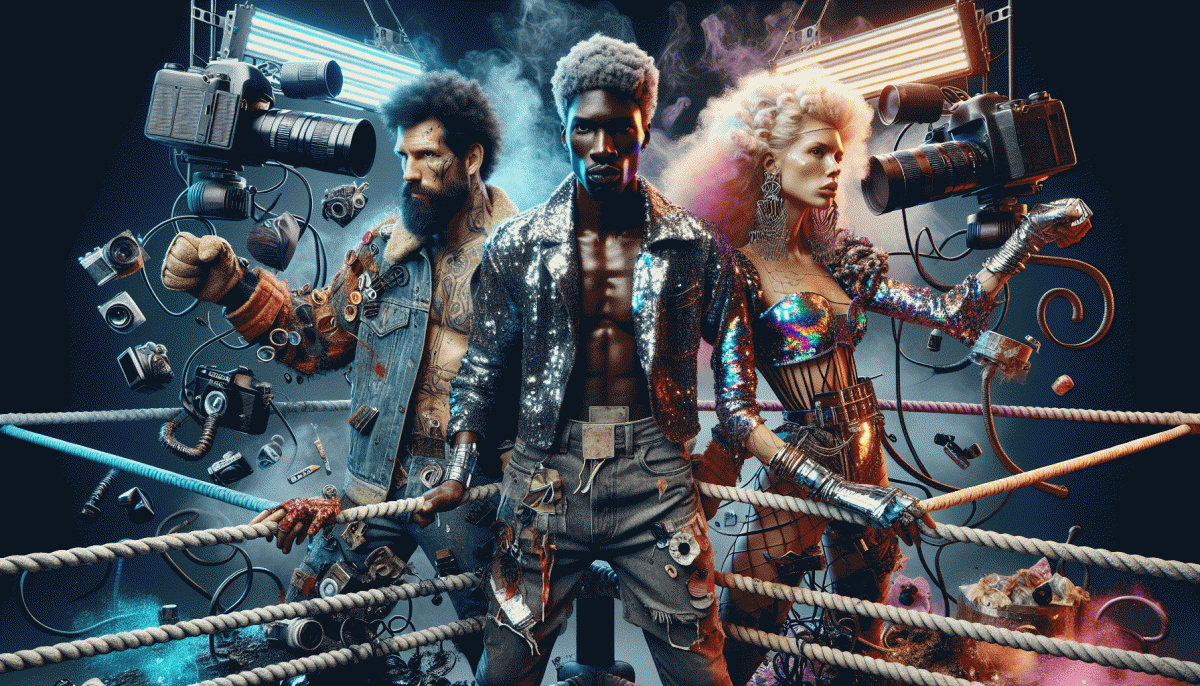
Raw vs Flashy vs Weird: The Creative Cage Match No One Saw Coming