
Visual Trends in 2026: What Goes Viral on Social Platforms (and How to Hijack It)
Stop-the-Scroll Openers: First-Frame Hooks That Steal Attention
The first 0.8 seconds decide a swipe. Use a bold visual hook—a high-contrast color pop, a human face mid-emotion, or an unexpected object framed tight—to force attention. Treat the first frame like a billboard: one readable idea, no farmed ambiguity. If viewers can parse the promise without sound, they pause; if they pause, you get the first chance to tell the rest of the story.
Build micro-story scaffolding inside that tiny window: open with motion (a snap zoom, a falling object, an eye glance), add a large, punchy caption that answers the main question, plant one surprising detail to seed curiosity, and plan your reveal at 1.5–2s. Small tactile cues—hands, texture, crumbs—translate in thumbnails and feel immediate.
Tune the hook for each feed. On TT and Musical, favor kinetic cuts and bold on-screen words; on YouTube, the paused thumbnail must echo the first frame's promise; on Pinterest, lead with aspirational composition and negative space; on Twitch, use candid close-ups that read even at tiny sizes. Platform-specific micro-edits multiply shareability.
Do a 1-second swipe test before you export: does the opening answer "what is this?" and "why care?" Save five opening templates (bold color, close-up face, motion reveal, text-overlay, and contrast silhouette) and A/B them fast. Repeat what works—consistency beats cleverness when stealing attention.
Lo-Fi > High-Budget: Why Raw, Human Clips Outperform Studio Shoots
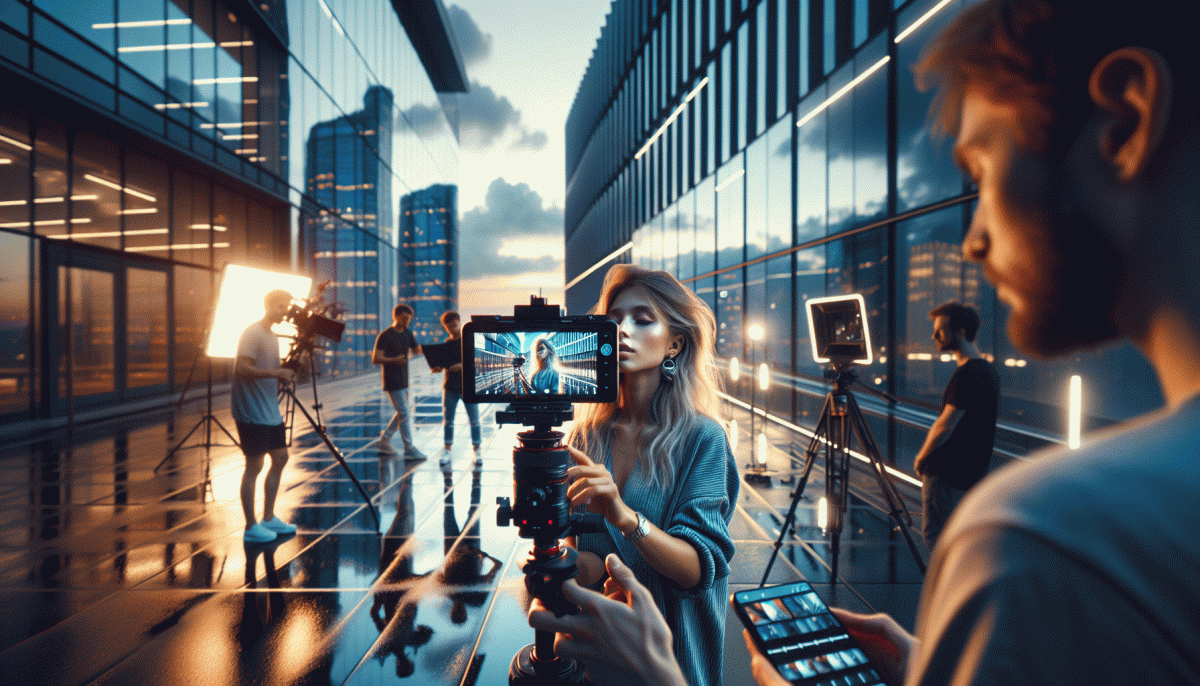
Forget glossy sets and five camera angles. Audiences in 2026 prefer the human stumble over the cinematic miracle because raw clips feel like invitations rather than commercials. Close-up imperfections, offbeat laughs, and real-time reactions create trust faster than any color-graded masterpiece.
Algorithms amplify signals born from authenticity: rapid rewatches, threaded comments, and shares to friends. A shaky phone frame with a vivid personality will often beat a sterile studio ad because people respond to relatability, not perfection. Mobile-first feeds reward immediacy and emotional clarity above polish.
Practical moves: shoot vertical on a phone, open with a bold 2–3 second hook, keep scenes under 20 seconds, and add captions for sound-off scrolls. Use simple three-shot formulas — intro, reveal, reaction — and let natural audio breathe. Emphasize human error as texture, not failure. Keep the edit honest — cuts that jump a beat feel human.
Scale without losing soul by batching short takes, reusing a signature gesture, and swapping trending audio under the same clip. Build lightweight templates to speed edits, but vary the voice. Run micro-experiments: small changes in pacing or caption tone reveal what actually makes viewers pause. A/B test thumbnails and first-frame motion.
Measure against retention and comments, not just impressions. If a candid 18-second clip holds viewers better than a 60-second studio spot, double down. The real edge in 2026 is speed, sincerity, and the courage to publish half-polished moments that feel alive. Treat imperfection as your viral instrument.
Caption Magic: On-Screen Text, Subtitles, and Sticky CTAs That Boost Watch Time
Captions are not a cosmetic extra in 2026, they are the gatekeepers of scroll-stopping attention. Start every clip with a bold, single-line on-screen headline that mirrors the audio hook so viewers can grok the promise in one beat. Use kinetic typography sparingly: a little motion draws the eye, too much motion steals focus. Keep on-screen text punchy, present the idea, then let the visuals prove it.
Subtitles are the new accessibility plus conversion tool. Time them to match speech within 200–300 milliseconds to avoid laggy reading, split long sentences into bite-size captions, and never run more than two lines at once on mobile. High contrast, 14–18px equivalent readability and a shadow or semi-opaque backdrop stop text from dissolving into complex footage. Export clean SRTs for platform uploads so auto captions do not butch er your meaning.
Sticky CTAs are the difference between a like and a follow. Make the CTA a micro promise: a three-word overlay at moments of peak curiosity, then a softer end-screen that repeats the benefit. Animation should be subtle and short so it adds emphasis without being an ad breaker. Use a two-step approach: on-screen text that teases value, and a quick spoken line to humanize it. Test placement on the lower third versus top corner to see what keeps eyeballs longest.
Run fast experiments: A/B test caption color and weight, compare auto subtitles versus edited captions, and try CTAs at 10 seconds versus 60 seconds to map retention bumps. Measure watch time and rewatch triggers, not vanity taps. Iterate weekly, keep the copy crisp, and you will turn scrollers into stickarounders.
Color & Contrast: Neon Nostalgia vs. Soft Minimalism—Which One Wins in 2026?
Color is the loudest ticker on social feeds in 2026; it signals mood, speed, and intent before a caption loads. Neon Nostalgia screams energy and virality with saturated magentas, electric cyans, and harsh contrast that force the thumb to stop. Soft Minimalism whispers quality and trust with muted pastels, generous negative space, and careful contrast that makes products and faces breathe. Pick the lane that matches your campaign objective: immediate reach and dopamine hits, or slow-burn affinity and shareable calm.
If virality is the goal, build around motion and punch. Neon palettes perform best when paired with brisk edits, animated glows, and tactile synth textures that translate in short clips and stories. Use intentional contrast to create focal points: a neon button, a glowing product edge, a bold type shadow. For a pragmatic boost to early momentum, consider adding a small paid nudge such as buy likes cheap to seed engagement and trigger the platform algorithms; just make sure creative quality and hook are stronger than the boost itself.
Soft Minimalism wins when you want trust, conversions, or pin-worthy evergreen content. Favor restrained palettes, high-quality photography, and micro-interactions that reward slow scrolling. Accessibility matters here: ensure contrast ratios meet standards and that pastel choices maintain legibility across devices. On platforms like Pinterest and ArtStation, minimal compositions with a single, well-lit subject and plenty of white space outshine maximalist clutter.
Practical rule of thumb: test in slices. Run A/Bs across the same audience with matched copy and CTA, one neon, one soft, then scale the winner. Mix and match too—neon accents on a minimalist canvas can give your brand both immediacy and elegance. The real win in 2026 is not picking a team for life, but learning when to flash and when to breathe.
Remix-Ready Content: Templates, Trends, and UGC That Multiply Reach
Make every asset an invitation to remix: design modular templates that expand across Reels, Shorts, Stories and in-feed posts so creators never start from scratch. Ship editable captions, color palettes, motion presets and quick-stamp logos so reusers can adapt tone without altering your core identity. The easier it is to remix, the faster it spreads.
Standardize file delivery and naming conventions: provide 9:16, 4:5 and 1:1 masters, layered source files, raw audio stems, subtitle files and font packages. Include sample captions, hashtag clusters and suggested trim points so editors can pull a 6-second hook or a 30-second narrative from the same pack. Small structure equals big scalability.
Turn UGC into bite-sized briefs: ask followers for one shot, a one-line caption and a mood tag. Offer micro-rewards like features, discount codes or a monthly spotlight; reward speed and personality over polish because authenticity beats perfection on fast platforms. Don’t forget consent language and a simple release to keep legal headaches out of your remix stream.
Seed smart and iterate quickly: partner with a tight cohort of creators, share the template package, monitor early edits and surface winning iterations. Time your push to trend windows and monitor which elements—audio, jump cuts, stickers—get copied most. If you want a shortcut to coordinated amplification try buy Twitter boosting service as a campaign-acceleration tool that stacks with organic remixing.
Measure, prune and systematize: archive low performers, double down on templates that invite the most edits, rotate new sound bytes monthly and wire simple dashboards to track remix velocity. Make remixability a KPI and your content will stop being a single post and start behaving like a creative platform.
Read also

Visual Trends in 2026: The Shockingly Simple Secrets Behind What Goes Viral on Social Platforms
Visual Trends in 2026: What Actually Goes Viral on Social Platforms (and How to Ride the Wave)

Visual Trends 2026: What Actually Goes Viral on Social Platforms

Visual Trends in 2026: Viral Visual Hacks Social Platforms Cannot Resist
Visual Trends in 2026: 11 Viral Triggers Social Platforms Cannot Resist