Visual Trends in 2026: What Actually Goes Viral on Social Platforms (and How to Ride the Wave)
From Thumbs to Hearts: The First-Frame Hook That Stops the Scroll
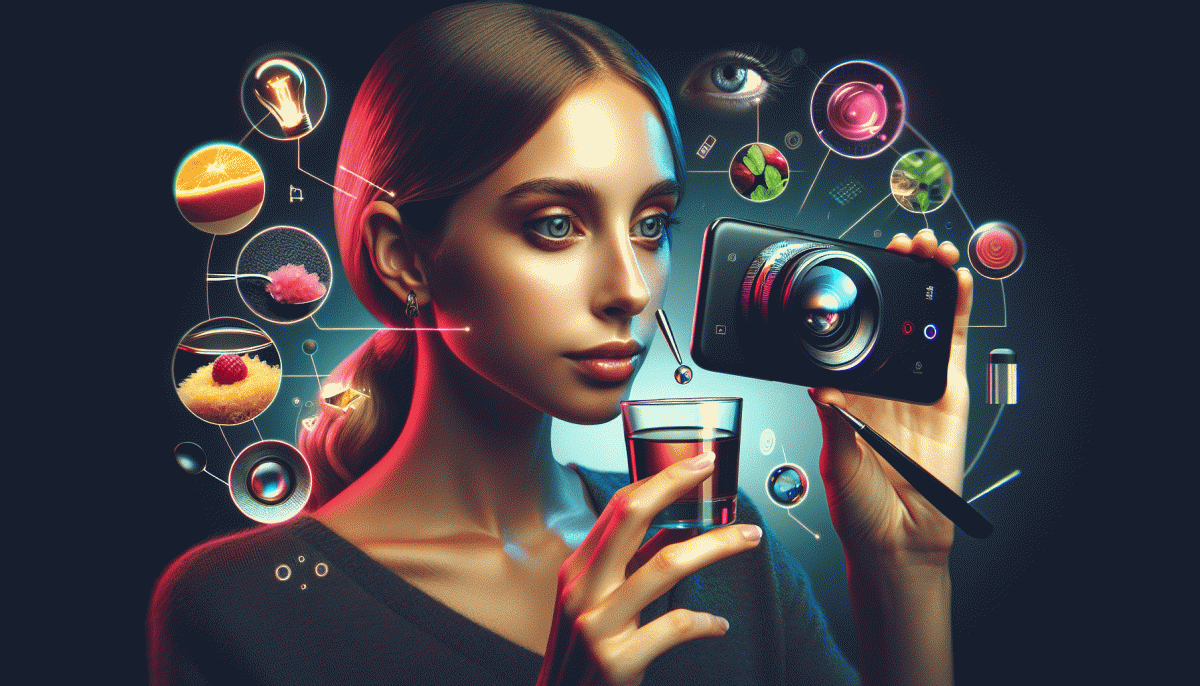
Think of the first frame as a tiny billboard that has to win a glance before the thumb decides to flick. Make it read in a heartbeat: bold, human, and a little unexpected. A face with a direct gaze, a splash of saturated color against muted surroundings, or a hint of motion that implies something about to happen will stop scrollers mid-swipe and buy you the next two seconds of attention.
Be ruthless about simplification: three visual beats maximum. Start with a clear focal point, layer a 2–3 word overlay that promises value, and add subtle motion in the opening 0.3–0.7 seconds if you can. Use tight crops for emotion (60–70% face fill), keep type large and high-contrast, and avoid cluttered logos or busy backgrounds that dilute the message.
Hook mechanics are part craft, part psychology. Open with an obvious question or a micro-conflict, give a tiny tease that creates curiosity, then hint at the payoff. Contrast is your friend—light vs dark, calm vs chaotic, ordinary vs impossible—because our brains latch onto differences. Also remember many viewers watch muted: captions that mimic speech cadence or a one-line overlay that states the benefit will rescue attention when audio is off.
- Lead: Show the immediate action or problem in-frame.
- Tease: Offer a short, intriguing promise that raises a question.
- Reveal: Signal the quick payoff they can expect if they stay.
Treat the first frame like testable ad copy: run rapid A/Bs, track 1–3s retention and swipe rate, then iterate every 3–5 posts. Tiny changes to crop, color temperature, or the first word in your overlay often swing performance more than a full creative overhaul. Keep experimenting—small wins compound into serious reach.
Lo-Fi > High-Fi: Why Raw, Real, and Unpolished Wins in 2026
Audiences in 2026 have learned to sniff studio polish like a hound — raw frames carry emotional honesty. Grain, out-of-focus edges, and offbeat sound design act as social proof: someone real made this. That triggers trust, saves scroll time, and translates into saves, shares, and conversations.
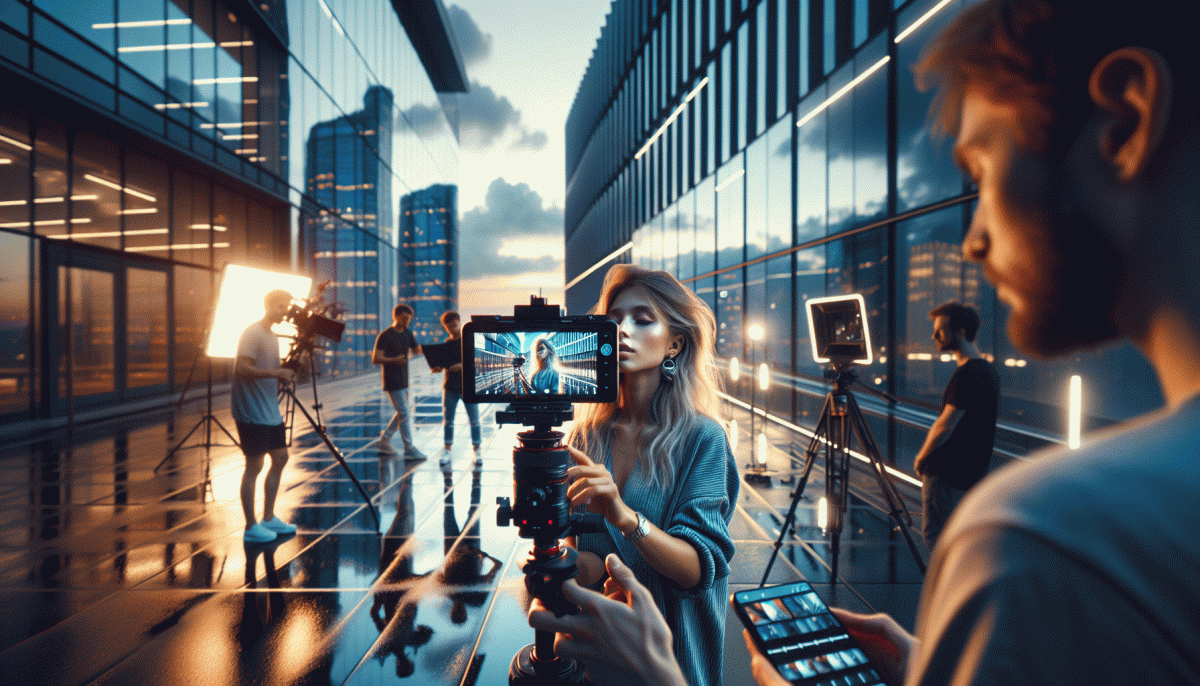
Practical win: shoot quick, keep ambient audio, and resist the urge to over-edit. Vertical clips with natural light, untrimmed laughs, and captions that look hand-typed outperform glossy reels because they invite participation. Reframe your KPIs to rate engagement per second not production value.
Want to scale that raw energy without losing vibe? Try cheap Instagram boosting service as a targeted nudge — pair organic authenticity with a focused distribution push to seed trends faster and test which imperfect moments catch fire.
Start with micro-tests: run A/B pairs where one clip keeps the jump cuts and the other is slick, then double down on the one that sparks comments. Use captions as hooks, loop shorter edits for platforms like TT and Instagram, and document imperfect moments — algorithms now reward human chaos.
Kinetic Type & Bold Color: Make Words Move, Make Eyes Stay
Words that move and colors that pop are the short path to a double tap. Kinetic typography gives motion to meaning: a word that slides in with momentum reads as louder, a bounce reads as playful, a slow drift reads as intentional. Pairing that motion with unapologetic color decisions turns skimmed content into stopped content. Think of type as an actor and color as the stage lights. When both are directed with purpose you get scenes that earn a second look and a share.
Make this practical with a few simple levers. Animate the most important word only, sync motion to audio hits, use scale and mask reveals rather than heavy blur, and deploy contrast like a trumpet blast. Keep movement short and loop friendly so viewers can catch the beat on repeat. Use palettes that read clearly on small screens and test them at 50 percent brightness to be safe.
- Motion: Emphasize one keyword per scene with a distinct entrance and exit so meaning lands fast.
- Contrast: Combine a saturated anchor color with a muted background to force the eye to the message.
- Rhythm: Sync micro animations to soundtrack peaks so the loop feels inevitable.
For production, export short loops as 1080p H.264 or WebM for ads and animated GIFs for lightweight previews. Use templates to keep brand cohesion but vary motion curves to avoid sameness. Finally, measure the micro wins: watch retention over the first 1.5 seconds and iterate. Bold color and kinetic type are not magic; they are repeatable tricks that give your words the stamina to travel.
Micro-Memes and Remix Culture: Turn Trends into Your Brand Language
Micro-memes are the snackable units of 2026 virality: tiny, repeatable visual moves that users remix like trading cards. For brands the trick is to become a recognizable asset library rather than a megaphone — short loops, repeatable captions, and a handful of visual motifs that people can rework without losing the brand inside the joke.
Start by designing for remix. Break campaigns into small, interoperable pieces: a 3-second clip, a caption template, a sticker, and one signature sound. Release those pieces with light usage tips and watch how creators reassemble them. Treat every micro-meme as an experiment: set simple hypotheses, push variations, and kill what does not spark shares or stitches.
- Format: Make modular assets that adapt: vertical clip + looping GIF + transparent sticker so creators can drop your element into any frame.
- Tone: Allow playful detachment — be human, not a podium. Safe irreverence performs well when paired with clear brand anchors.
- Distribution: Cross-post with native edits per platform: stitch on one network, repost as a clip on another, and seed remixable packs for top creators.
Track the right signals: remixes, repost chains, saves and actual mentions matter far more than vanity like counts. The fastest route to scale is giving people something easy and fun to rework — small tools, big social ripples. Experiment fast, reward creators, and let micro-memes become your brand language.
AI-Assisted Aesthetics: Using Generative Tools Without Looking Generic
Generative tools will not automatically make content viral; they magnify what is already interesting. Start by giving the model constraints: a real photo or texture as a seed, a concise moodboard, and exact aspect ratio for each platform. This prevents the algorithm from drifting into bland stock aesthetics and keeps results grounded in your creative intent.
Make deliberate imperfections part of the look. Introduce film grain, edge fringing, imperfect hands, or analog light leaks to add character. Use negative prompts to ban common artifacts and lower oversharpness. After generation, perform a quick human pass for stray artifacts and tweak local contrast or skin tones so images feel handcrafted rather than auto generated.
Build a signature element that appears across posts: a color accent, a framing device, or a small hand drawn mark. Consider fine tuning a lightweight custom model or creating a style token so batches produce consistent results. Generate ten variants, pick the top three, and adapt them per platform format to increase recognition without repeating the same image.
Workflow matters more than magic. Draft prompts, generate, curate, and human edit in loops under a tight timer. Test thumbnails and motion previews on the target platform and prioritize clarity at small sizes. Keep a simple checklist: seed source, negative prompts, texture layer, human retouch, platform crop. Repeat fast and iterate based on real engagement signals.
Read also
Visual Trends 2026: What Actually Goes Viral on Social Platforms
Visual Trends in 2026: The Shockingly Simple Secrets Behind What Goes Viral on Social Platforms

Visual Trends in 2026: What Goes Viral on Social Platforms (and How to Hijack It)

Visual Trends in 2026: Viral Visual Hacks Social Platforms Cannot Resist

Visual Trends in 2026: The Eye-Popping Secrets Behind What Actually Goes Viral