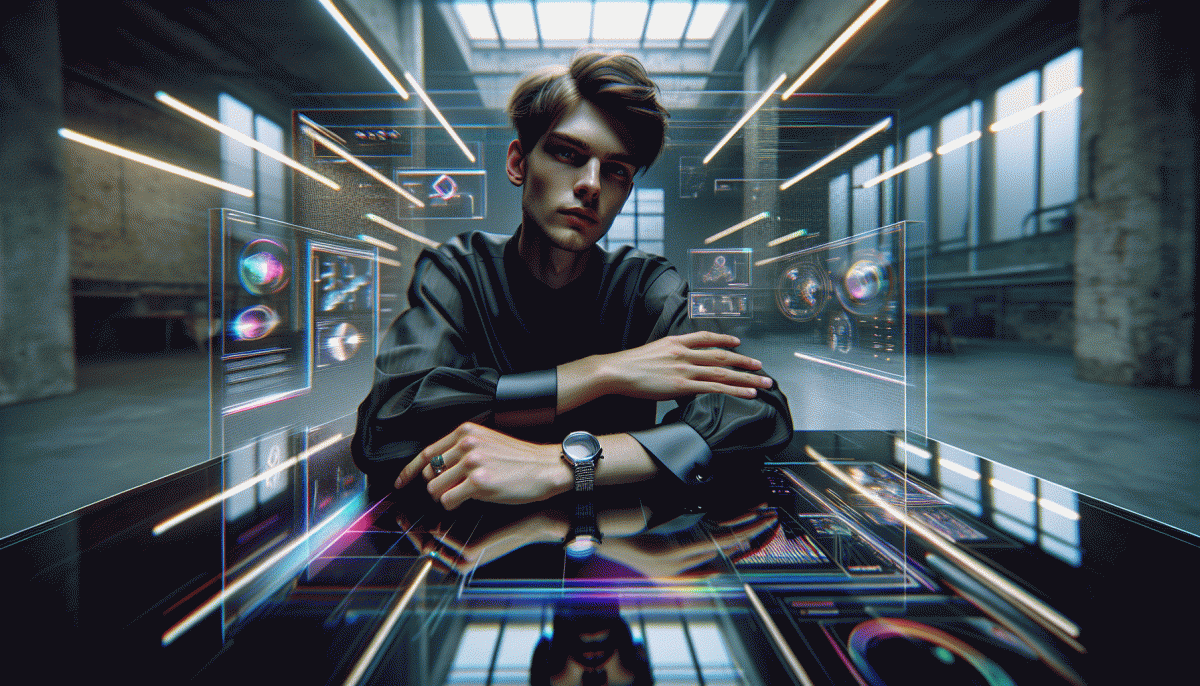
Visual Trends in 2026: Steal These Viral Moves Before Everyone Else
Snackable video 2.0 - micro edits, mega watch time
Snackable video has grown up: it no longer equals a single jump cut and a trending sound. In 2026 the move is micro editing as choreography — six to eight rhythmically trimmed shots that read like a tiny dance. The point is to create a compulsive flow where viewers watch one loop and then tap again, because every second is engineered to answer the brain's demand for novelty and reward.
Start with three micro moves to test in your next batch of clips:
- Beat-Cut: Slice on transient hits so motion and sound lock together; viewers perceive seamless energy and keep watching.
- Mini-Reveal: Hide a small visual detail and reveal it in 0.5–1.5 seconds to trigger curiosity spikes.
- Motion Match: Match camera motion or subject movement across cuts so continuity feels fast but effortless.
Metrics matter here. Measure loop rate, second-by-second retention, and rewatch spikes rather than total views alone. If retention drops at 2–3 seconds, shorten the scene count or swap the beat that precedes the drop. If rewatch rises, double down on the micro-reveal pattern that created the loop.
Make it actionable: take one 60–90 second video, create three 8–12 clip micro edits with different beat alignments, then A/B them across platforms. Treat each micro edit as an experiment, collect the tiny signals, and iterate quickly. Small cuts, giant watch time is the new unfair advantage.
AI visuals that feel human - prompts, style, and restraint
AI can mimic human warmth without turning visuals into uncanny-valley nightmares. Treat generative tools like collaborative artists, not magic black boxes: set intent, hand over a vibe, then tighten the leash with clear constraints so images breathe and feel lived-in.
Start prompts with a human anchor — a gesture, a material, a memory. Favor sensory cues like weight, texture, and direction of light over vague adjectives. Specify mood and a simple physical limit (lens type, era palette, or a single dominant hue) to keep results distinctive, not derivative.
Three fast rules to keep your AI visuals honest and human:
- Prompt: Lead with a small story beat — a glance, a sound, a scent — then add concrete visual markers.
- Constraint: Limit tools and colors; restraint forces the model to be creative within believable bounds.
- Imperfection: Ask for subtle flaws — uneven paint, worn fabric, stray hair — to signal reality.
Style choices should amplify personality, not erase it. Pick one dominant visual decision (texture, light, or posture) and let other elements support it. Avoid over-processing: too many filters or fixes will sterilize the life you worked to create.
Actionable experiment: write three micro-prompts that swap one variable each time (mood, lens, or material), generate eight variants, then pick the two that feel most human. Save those prompt fragments as your own toolbox and repeat — the best visual voice comes from iteration with restraint.
Text-on-screen that stops the scroll - fonts, motion, contrast
Make every frame read like a headline. Use a condensed sans or a bold slab for the primary line so it punches through tiny screens, then pair it with a softer serif for subcopy to create instant hierarchy. Keep line length short: one to three words per line reads fastest when users are skimming in a thumb scroll.
Motion is your secret accelerator: micro‑delays, staggered reveals and overshoot easing make text feel alive without stealing focus from the visual. Time entries to match beats in the audio and let the type land just before a drop. If you want to amplify reach fast try buy TT views today as a launchpad for your viral text tests.
Contrast beats cleverness. High luminance difference between text and background wins on small displays; add a thin stroke or translucent backdrop to protect copy over busy footage. Avoid tiny thin weights on noisy video; they vanish. Aim for a minimum of 60% size increase for primary lines over body text and test in one hand to confirm legibility.
Actionable checklist: use a single dominant word, animate only one property at a time, pick a color that reads in grayscale, test for 1.5 seconds per line of reading, and always end with a visual anchor so the CTA sticks. Iterate fast and favor clarity over cleverness.
Lo-fi beats, real vibes - authenticity over polish
In a feed that ups the polish daily, the win in 2026 is the human touch: imperfect frames, sticky textures, and offbeat audio that feel lived in. Lo-fi visuals signal honesty—the slight shake, the grain, the unexpected color bleed read as personality. That roughness builds curiosity and holds attention.
Practical moves that actually work: shoot short moments on a phone with natural light, keep some room noise, and let small mistakes stay in the cut. Add subtle tape grain, light flare, or a wobble speed to suggest analog warmth. Use LUTs that emulate film rather than HDR polish, and resist over smoothing skin to avoid that clinical look.
Adapt density per platform: fast jump cuts and big captions for TT, slower ambient loops for Facebook, chatty first person clips for Telegram. Test micro variations and track what converts viewers into comments and shares. If you want a quick way to compare approaches and lift early visibility try best TT engagement and iterate based on real responses.
Formats that feel authentic: behind the scenes micro documentaries, raw product reactions, candid creator confessions, and day in life loops. Incentivize user clips with a single simple prompt and feature them unedited. Celebrate ordinary detail—the coffee spill, the late reply—and your audience will start narrating your brand for you.
A fast checklist to steal: one ambient soundtrack, one imperfect shot, one candid line of copy, and one genuine UGC repost per week. Measure sentiment and reply rates not just views. Set a two week hypothesis, run small tests, and double down on the versions that make people comment and tag friends.
Trendjacking without cringe - timing, twist, and brand fit
Jump into a viral visual moment like a pro with confidence: not too early to look out-of-touch, not too late to be a relic. Monitor the rise — memes and filters usually bloom fast and burn faster — and treat timing as a design constraint: sprint, test, iterate.
Set a tight listening loop: a daily trend brief, a two-hour creative sprint slot, and one 'core asset' (30s video, 1 image, 3 captions) per channel ready to remix. When you see a trend hit +20% daily growth in searches or shares, that's your green light to prototype.
The twist is everything. Swap color palettes, turn a sound into a visual motif, or fold your product into the joke rather than forcing the joke onto your product. Keep the entry low-friction and feel native — if it requires explanation, it won't land.
Before you go live, run three quick brand-fit checks: would your customer laugh? does it align with values? is there reputational risk? If any answer flags, pivot the twist or shelve it. Pre-approved modular assets speed approvals without killing creativity.
Measure fast: engagement lift, share rate, sentiment, and the rate at which the trend decays. Kill the post if backlash spikes, double-down if reach is organic, and archive winners as templates to repurpose across platforms and document the play.
Read also
Visual Trends in 2026: Steal the Viral Formula Social Feeds Crave
Visual Trends in 2026: Viral Visual Hacks Social Platforms Cannot Resist
Visual Trends in 2026: The Scroll-Stopping Looks Everyone Will Copy by Friday
Visual Trends in 2026: 11 Viral Triggers Social Platforms Cannot Resist

Visual Trends in 2026: The Shockingly Simple Secrets Behind What Goes Viral on Social Platforms