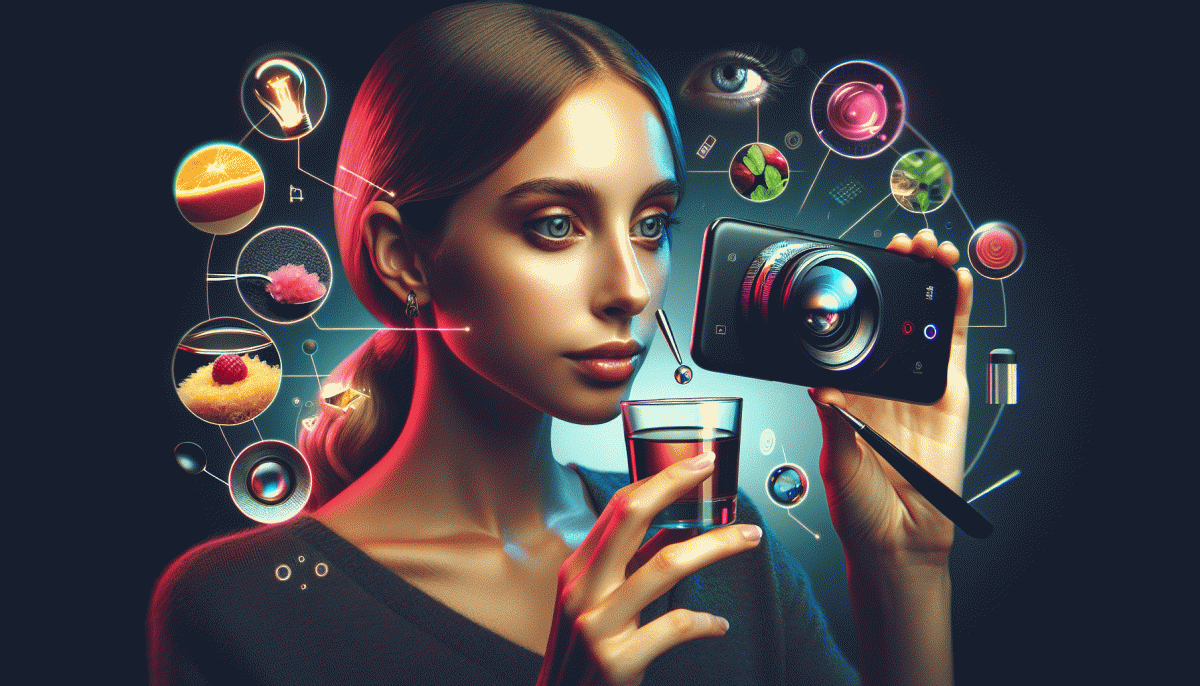
Visual Trends in 2025: What Goes Viral on Social Platforms? We Cracked the Algorithm
The 3-Second Hook: Formats That Freeze the Scroll
Three seconds is tiny, but tiny wins timelines. Open with a visual shock, a human face with an urgent expression, or motion that contradicts expectation — a slow hand in a hyper-speed environment, a closeup that jumps into a wide reveal. Make the first frame answer the silent question viewers scroll with: "Why should I stop?"
Formats that freeze the scroll lean on contrast and clarity. Think ultra-tight portrait crops, bold kinetic text that syncs to a sub-second sound hit, and loopable micro-moments that tease a payoff. Use jump cuts to compress narrative, reverse reveals to create curiosity, and cinemagraphs when stillness plus a single moving pixel feels like magic. Subtitles are not optional: give the algorithm readable hooks and human attention a second chance.
Use this compact cheat list to design the opener:
- Hook: Start with an unexpected visual or question that signals value immediately.
- Pace: Cut at 0.25–0.6s per shot for energy, then hold a frame for the curiosity beat.
- Payoff: Promise a micro-reward within 3–7s so viewers feel smart for staying.
Build quickly: storyboard a 3-second loop, test three audio stings, and export three variants at the platform preferred bitrate. Measure retention at 0–3s and 3–10s, then iterate the version with the highest early-save or rewatch rate. Small visual changes — color pop, eyebrow flash, or a louder subtitle color — often move the needle more than a full reshoot. Keep experiments tight, learn fast, and let the micro-hook become your growth engine.
Color That Converts: 2025 Palettes, Contrast, and Texture
Color in 2025 is not just pretty — it is persuasive. Platforms reward bold-but-balanced palettes that read well on small screens and in short loops. Think muted neon accents over warm neutrals, or AI-driven duotones that shift with device light. These combinations stop the thumb and prime the eye for action.
Contrast is the unsung conversion engine. High contrast signals hierarchy: CTAs, prices, and names must pop at a glance. Aim for accessible ratios (4.5:1 for body, 3:1 for large text) and test contrast in motion, because overlays and stickers can collapse legibility. Use color blocking to guide the gaze toward a single click.
Texture adds personality where color cannot. Subtle grain, satin gradients, and layered translucency make content feel tactile in a sea of flat cards. Motion-aware textures that evolve with scroll can add credibility without noise. Pair textures with a restrained palette so richness reads as craft, not clutter.
- Palette: Choose one dominant hue and one accent to focus attention and keep thumbnails legible.
- Contrast: Prioritize CTA contrast and test on dark mode, low light, and compressed video frames.
- Texture: Add fine grain or micro shadows to imply depth while keeping file sizes small.
Snackable Motion: Micro-videos, Loops, and Kinetic Text That Stick
Micro-moments win attention, so build for the thumb-swipe era. Aim for a punchy 1–3 second start that makes viewers stop, then deliver a satisfying loop that rewards a replay. Keep vertical framing tight, use a clear subject, and think in beats: entrance, twist, payoff. Small, repeatable surprises like a snap zoom or an instant costume change elevate a clip without extra runtime.
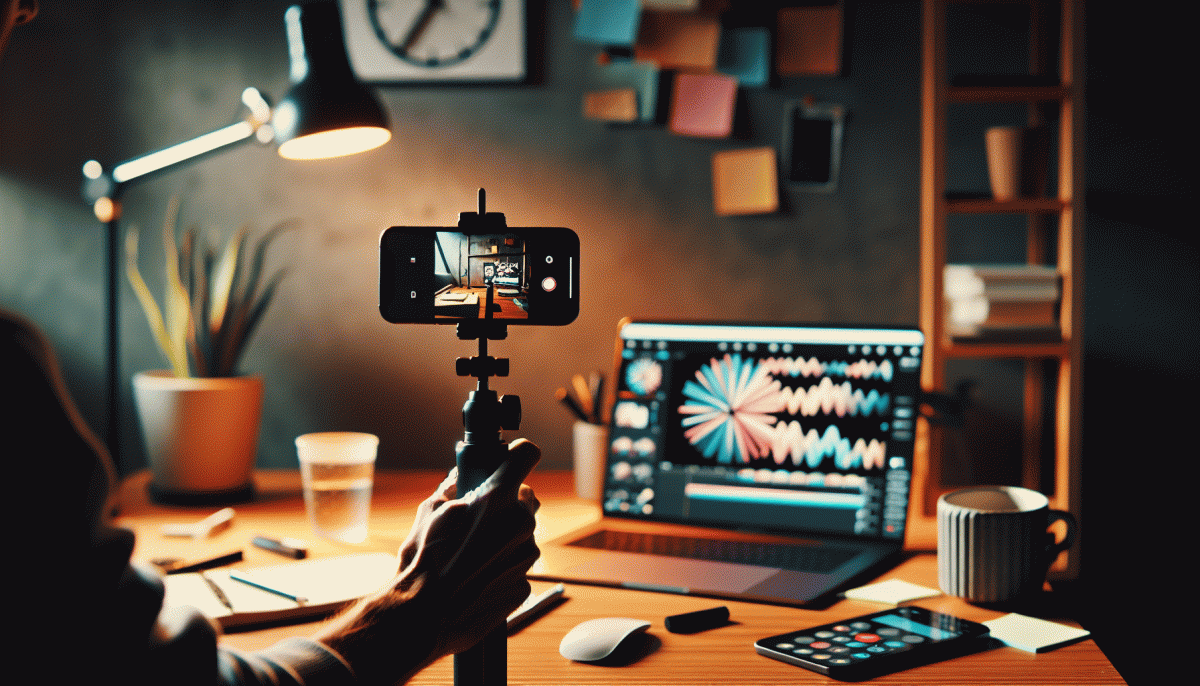
Production does not need a studio, it needs a rulebook. Shoot on a phone, lock exposure, and favor short camera moves over long pans. Match cuts and speed ramps hide rough edges and create momentum; trim to the exact frame the eye wants. Export two final versions: a true loop that bridges end-to-start, and a slightly extended cut for stories and in-feed placements.
Text is motionÂ’s co-star: animate large, legible type so captions become part of the rhythm, not an afterthought. Sync kinetic text to the beat, use contrast for readability, and keep phrases punchy—think micro-hooks, not paragraphs. Sound is glue; native platform audio or a custom snap can double replay rates. Always include a tiny visual CTA in the last second that feels like a feature, not an ad.
Finally, iterate fast. Release 2–3 loop variants, watch retention and replay metrics, then double down on the winning motion. Repurpose the core asset into stickers, cover images, and 2–4 second trailers for cross-platform reach. Do this, and your short clip stops being content noise and starts being an addictive little habit.
Put a Face on It: UGC, Reaction Shots, and Emotion-Packed Thumbnails
Stop the scroll: faces trigger dopamine, and in 2025 the algorithm rewards clips that feel human. User-generated moments and reaction shots win because micro‑expressions—an eyebrow lift, a quick wince, a surprised smile—communicate narrative faster than any caption. Coach creators to lean into imperfections: a slightly messy background or a breathy laugh makes content relatable, while a direct gaze or glance-off-camera sells intimacy. Think friend-with-a-phone, not ad-with-a-studio.
Make the shoot feel simple but intentional. Use an 85–50mm equivalent framing on phones (zoom in rather than wide), aim for eye level or slightly above, use soft directional light or a bounce to avoid harsh shadows, and keep white balance consistent across takes. Capture continuous vertical clips so editors can pull micro-cutaways; request three labeled takes per moment (neutral, surprised, amused) with timecodes to speed up post. Avoid wide-angle distortion on close faces—tight crops sell emotion.
Design thumbnails and short preview frames to amplify one clear feeling: readable expression, high-contrast color pop, and minimal text. Use a single bold word or short phrase in a legible font, place it against a simple color block, and keep the face at about 60–70% of the frame so the emotion reads at a glance. Small brand badges are fine but avoid large watermarks; they lower curiosity. Run two thumbnail variants per release and choose the winner by CTR, not by personal taste.
Measure and systematize what works. Track CTR, first‑10s retention, and comment sentiment; set hypothesis-driven tests and fold winning combos into creator briefs. A practical micro-brief: timestamp for the reaction (00:00–00:03), target expression, two lighting setups, three continuous vertical takes, and one-line CTA for the editor. Rinse and repeat—emotion is the hook, and consistency turns hits into predictable growth.
AI Meets Aesthetic: Prompt Tricks for Viral-Ready Visuals (Without the Weird)
Think of your prompt as a short film treatment, not a shopping list. Lead with subject and intent, then layer sensory anchors: lighting, texture, color palette, and a camera lens or movement. Use bold negative constraints to avoid the uncanny — for example, Negative: no text, no watermark, no extra limbs — and then add a Style Chain: synthwave neon → analog grain → soft bokeh to keep aesthetics consistent across batches.
Portability matters: tell the model the final crop and where the visual will live so it composes with platform constraints in mind. Include aspect ratio and framing cues like 9:16 close-up for vertical reels or 1:1 poster-friendly shots. Add execution verbs — float, tilt, dwell — to suggest motion without producing motion blur oddities. Seed variations by swapping one variable at a time for fast A/B-friendly suites.
Humanize the output with tiny imperfections and context: a scuff on a sneaker, imperfectly aligned text boxes, casual wardrobe choices. Ask for micro-interactions — a hand mid-gesture, a stray hair catching light — to create believable moments viewers pause on. Wrap prompts with a final line that enforces brand voice and color dominance so every image reads as "yours" in a feed.
When you are ready to scale testing and get more eyeballs on those polished results, check the safe Instagram boosting service for quick distribution without the sketchy vibe; think of it as the last mile for a visual that already earns saves and double-taps.
Read also

Visual Trends in 2026: The Shockingly Simple Secrets Behind What Goes Viral on Social Platforms

Visual Trends in 2026: What Actually Goes Viral on Social Platforms (and How to Ride the Wave)

Visual Trends in 2026: What Goes Viral on Social Platforms (and How to Hijack It)

Visual Trends 2026: What Actually Goes Viral on Social Platforms

Visual Trends in 2026: Viral Visual Hacks Social Platforms Cannot Resist