Visual Trends in 2025: What Goes Viral on Social Platforms - Steal These Scroll-Stoppers
Hook in 1 Second: Thumb-stopping intros that win the feed
You get one second of attention on autoplay — one. The feed decides faster than you think, so design that first frame to do the heavy lifting: use contrast (color or motion), an expressive face, or a tiny, mysterious action that implies a payoff. Think of the opener as a tiny promise; if it reads instantly, people stop. Keep it bold, simple, and a little weird.
Build a reusable library of 1-second opens you can drop into any edit.
Start on Motion: a hand, a door, a page flip; Start on Surprise: something in the wrong context; Start on Sound: a sharp click or laugh synced to the visual. Use a jump cut to land on a close-up or a reveal in the second 1–3 seconds. Trim aggressively so the beat hits before the viewer decides to scroll.
Text and typography are your secret weapons in noisy feeds. Use a 2–3 word hook in large, high-contrast type and animate it in the first frame so muted viewers still get the setup. Caption the action instantly and avoid filler words — clarity + curiosity beats cleverness most days. Don't overload: one visual idea, one text promise, one emotion.
Before you publish, run a quick checklist: trim the intro until every frame earns its place, swap a static first frame for a moving micro-action, and A/B test three opener variations. Preview on mobile, measure swipe rate, and double down on the winner. Small bets on that first second compound into big scroll-stopping gains.
Lo-fi looks, high impact: raw, unfiltered beats polished
Embrace the charm of imperfect pixels: soft focus, dust specks and abrupt cuts make scrolling pause. Shoot like you are saving battery and not trying to win an award — quick light tweaks, natural window light and a steadyish hand do the job. The goal is intimacy, not polish.
Sound is half the vibe. Swap pristine stems for clipped drum loops, tape hiss, and room tone under the mix. Let a little bleed and timing wobble live; the brain reads those flaws as honesty. Try a muffled kick or a lo-fi synth pad to anchor the beat and give motion to simple visuals.
Make it reproducible: set camera to 24fps, lower exposure by half a stop, add grain and a soft vignette in one quick pass. Keep edits snappy, favor jump cuts and rhythmic trims that sync to the low-fi kick. Add captions that feel like notes, not full scripts, and reuse a signature transition to build recognition.
If you need a reach nudge after you craft the perfect raw clip, consider strategic boosts to land it in new feeds. For creators focused on momentum, a quick option is buy Instagram likes fast, paired with genuine comments and timely stories to keep the algorithm interested.
Metrics to watch: retention curves and first‑second drop. Iterate on the one element that holds viewers longest — often sound or the opening cut. Caption with a tiny mystery line, then deliver payoff at 3–5 seconds. Lo-fi is low effort to film, high return when you respect rhythm and timing.
Text takes over video: captions, subtitles, and karaoke-style highlights
Short, punchy text is the new visual hook. Captions and subtitles are not an afterthought — they are the primary way people digest video on mute and in scrolling feeds. Use a bold lead line to grab attention in the first second, then layer contextual subtitles to keep viewers from swiping away.
Make karaoke-style highlights work for you: sync color or weight changes to key syllables so eyes follow the audio even when sound is off. Limit lines to two, use a large sans serif, and reserve animated reveals for the biggest moments. Aim for 1.5 to 2.5 seconds per caption segment so reading pace feels natural.
Adjust for platform quirks: center captions for Instagram Reels, bottom-left for TikTok to avoid UI chrome, and burn subtitles into videos destined for platforms with unreliable caption players. Contrast matters — light text on a semi-opaque dark bar is still the fastest way to guarantee readability across devices.
Automate transcription but always edit for rhythm, tone, and SEO-friendly keywords in your captions. Run quick A/B tests on color, font, and presence of inline CTAs like “Tap for steps”. Track retention bumps after adding karaoke-style cues; once you prove lift, make text-first editing your default creative workflow.
AI-native aesthetics: surreal, generative, and remix-ready
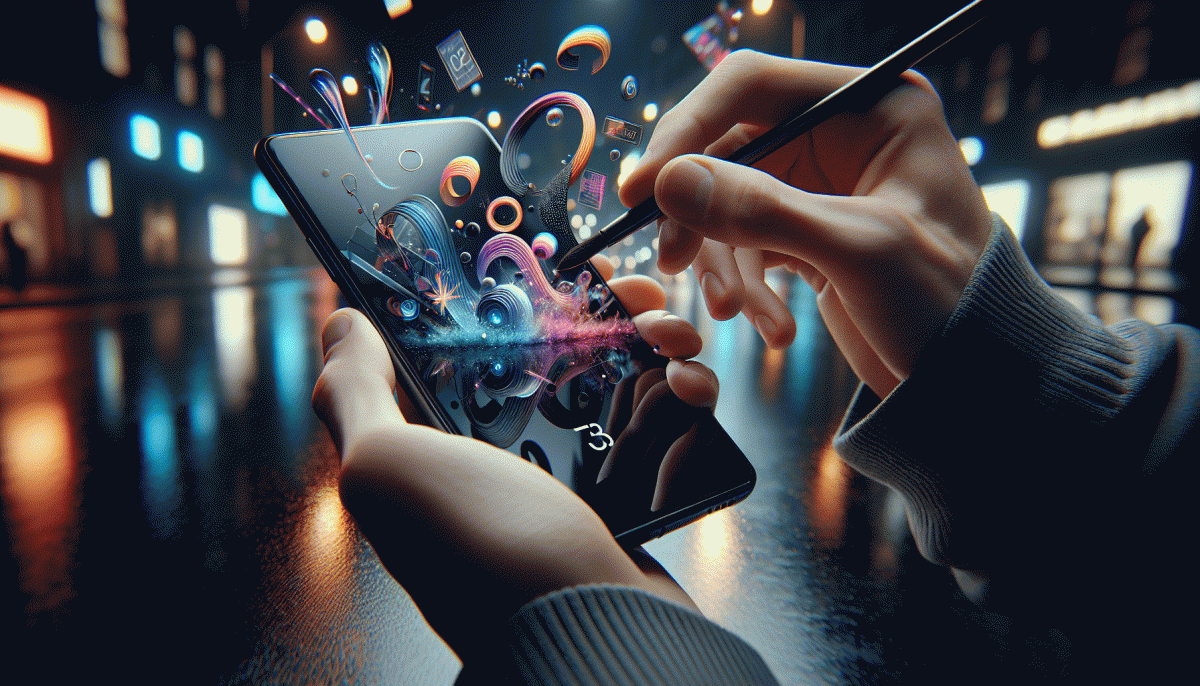
Think of AI-native visuals as a new visual grammar: surreal snapshots that feel handcrafted but are actually emergent. Audiences stop when something looks familiar and then goes delightfully wrong. Aim for micro-narratives — a single frame that promises a story — by layering generative textures, unexpected color shifts, and one uncanny detail that begs a double tap. Treat each post like a remix seed rather than a finished artifact.
Make your creative process remix-ready. Save and share a prompt card, include a clean seed image, and export editable layers when possible. Use repeated motifs so remixes carry your signature, then alter scale, perspective, or palette to create contagion. Play with latent blending and controlled noise to keep the output readable; pure chaos will not translate into repeatable UGC. A good rule: keep one anchor element per composition so remixes inherit meaning.
Formats matter as much as style. Looping clips, split-frame carousels, and AR stickers turn static AI art into participatory media. Provide short caption templates and a suggested hashtag to lower friction for contributors. Release compact remix packs that include a color LUT, a texture overlay, and a short prompt — creators will use them in stories, duets, and replies. This is how an aesthetic becomes a meme instead of a one-off.
Fast playbook: pick a signature motif, prepare a remix pack, and publish a simple how-to that invites edits. Measure virality by saves, remixes, and the number of derivative posts rather than pure impressions. Stay curious, iterate publicly, and celebrate wild remixes. If you make it easy to tinker, people will take your art places you never planned.
Carousel comeback: snackable storyboards that drive saves and shares
Think of a carousel like a micro-series: quick episodes that reward swiping. Move beyond single-image dopamine and build tiny narrative beats — problem, turnaround, payoff — across 4 to 8 cards so each swipe feels like progress. Prioritize the first card as a curiosity engine: a bold question, a surprising stat, or a visual hook that begs to be saved.
Use a simple three-step recipe that is fast to produce and easy to replicate across campaigns:
- Tease: Start with a one-line shock or promise to stop the thumb.
- Teach: Deliver 3 to 5 snackable insights or steps, each on its own card.
- Reward: End with a reveal, checklist, template, or saveable asset that pays off the swipe.
Production tricks that drive saves and shares: keep each card visually consistent with a tight palette and one headline font, use numbered frames or progressive overlays so users feel momentum, and make the reveal shareable as a single image or PDF. Test three variants: different hooks, pacing, and reward formats, then scale the winner. Track saves, shares, and forward metrics rather than likes to surface real long term engagement.
Read also

Visual Trends in 2026: The Shockingly Simple Secrets Behind What Goes Viral on Social Platforms

Visual Trends in 2026: What Actually Goes Viral on Social Platforms (and How to Ride the Wave)

Visual Trends in 2026: What Goes Viral on Social Platforms (and How to Hijack It)

Visual Trends 2026: What Actually Goes Viral on Social Platforms

Visual Trends in 2026: Viral Visual Hacks Social Platforms Cannot Resist