
Visual Trends in 2025: We Analyzed What Goes Viral—Here's the Cheat Sheet
Hook Frames That Stop the Scroll: Big Type, Faces, and Motion in the First 1 Second
Think of the first second like a billboard that appears inside a thumb scroll. Attention either lands or moves on, so plan a visual that declares intent instantly. Use one dominant visual idea per frame, then amplify it with big type, a face, or a tiny burst of motion. Keep the mood clear so the brain can parse the message in half a beat.
Big type is your blunt instrument. Let headline type occupy about 30 to 45 percent of vertical space, stick to two short lines, and choose high contrast colors that read at a glance. Go heavy on weight and keep kerning tight. Animate entry fast and confident — a 150 to 250 millisecond scale or slide with ease out is enough to signal life without forcing the viewer to wait.
Faces anchor empathy, so favor close ups with direct or mildly averted gaze depending on the vibe. Fill the frame with the subject so eyes sit roughly on the top third line. Capture micro expression and a catchlight to sell authenticity. Add a slight head move or blink in the first second to convert passive attention into human connection.
Combine these elements with restraint: big type plus a still face, face plus a subtle parallax, or bold type that morphs as a cheeky head tilt happens. Produce three versions of the opening second and A/B test for play rate and retention. Iterate fast, log the wins, and let the data decide which hook becomes your repeatable template.
Color That Clicks: Neon Pops, High Contrast, and the New Cozy Pastel
Color is no longer background noise. Think of neons as the exclamation point in a sentence: one bright pop anchored by calm tones. Choose a single neon hue, add two neutral companions and one supporting mid tone. Use neon for micro-interactions, badges and CTAs only; overuse drains energy. Keep neon coverage under 8 percent of the frame for optimal visual economy.
High contrast is the new clarity. Pair deep charcoals or muted navy with vibrant foregrounds and oversized typography for instant thumb-stopping impact. Prioritize contrast ratios for legibility and run quick mobile thumbnails at 50 percent scale to ensure icons and microcopy survive downsizing. For video, let contrast drive the first 1.5 seconds so the message reads even when muted.
Cozy pastels are not your grandmother s wallpaper any longer; they are upgraded with warm undertones, soft grain and subtle gradients to feel tactile and modern. Layer a whisper of neon at the edges to create tension and guide the eye. If you want to test how these mixes perform on social, check a trusted amplification tool like TT growth platform to quickly validate which palette pulls engagement.
Actionable cheat sheet: use a 60/30/8/2 palette split (background/mid/neon/accents), prefer mono gradients for cohesion, avoid text on busy patterns, and A/B titles with warm versus cool pastel backgrounds. Design for contrast first, charm second, and you will make visuals that not only trend but actually convert.
Lo-Fi Wins: Unpolished Reels and Behind the Scenes Beat Studio Gloss
Forget flawless: viewers crave the messy, breathing life of a session where the beat was born. Those shaky camera pans, half-swept cables and sticky notes on the synth tell a story polished spots never will. Use imperfection as your signature and let authenticity do the heavy lifting.
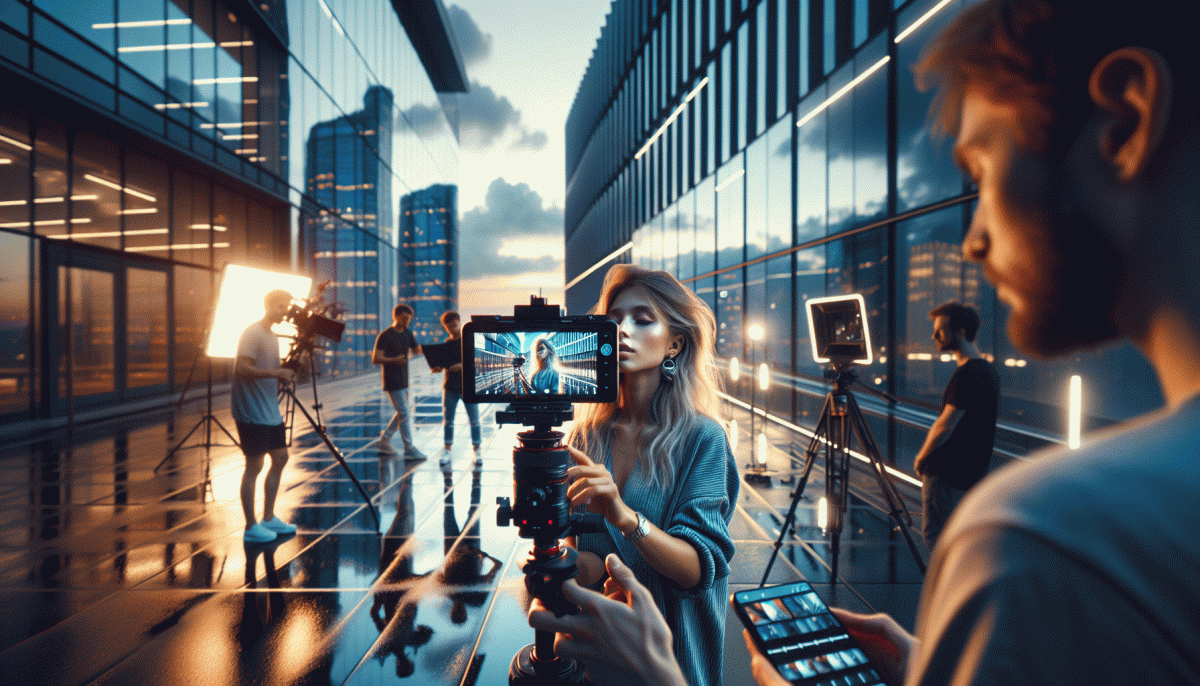
Shoot on a phone, hold the mic close for room tone, don't over-light—soft window light and practical lamps read as honesty. Frame vertically for feeds, let hands and gear dominate the frame, and record a few takes from different angles so edits feel spontaneous, not staged.
Edit like a jazz player: keep stutters, abrupt cuts, and the occasional flub. Drop a raw chorus before the mastered drop, layer an ambient mic clip under the beat, and let the tails of clips linger. Those little artifacts create intimacy and invite repeat watches.
Hook viewers in three seconds: a close-up tweak, a candid laugh, or a sudden sound change. Use captions for mute scrollers, credit collaborators, and post while the session buzz is still hot. Native vertical cuts perform best across platforms—serve raw slices first, polish later.
Three quick actions: film one 15–30s reel of a live take, post it same day, and compare engagement over 48 hours. Iterate fast, celebrate the messy, and treat "unfinished" as a feature—not a flaw.
Text-on-Video That Sells: 3 to 5 Word Headlines, High Readability, Zero Fluff
Think of your on-screen copy as a moving billboard: 3-5 words, front-loaded verbs, and zero fluff. Short headlines force clarity — drop adjectives, trim modifiers, and make every noun pull weight. High readability is not optional; big type, strong weight, and generous line height win attention faster than clever phrasing.
Design for the blink: allow 0.6 to 1.2 seconds per headline line at normal playback. Use high-contrast color pairs, keep text in the safe zones (center or lower third), and remove animated backgrounds during the headline moment. Reduce copy changes to one per cut so the eye can catch and act.
Follow a tight formula that converts. Use one of these three micro-structures to speed up production and results:
- Hook: One bold promise in three words — start with a verb.
- Benefit: State what the viewer gets, not what you do.
- CTA: One-word action or a tiny FOMO phrase for instant taps.
Ship variations and measure: A/B headlines, single-color swaps, and timing tweaks. Keep a swipe file of winning three-word combos and reuse their rhythm. In short, make words big, clear, and hungry to be clicked — brevity plus readability sells.
Carousel Comeback on Instagram: Snackable Storyboards That Max Out Saves and Shares
If your feed needs a quick reboot, carousels are the snackable therapy for attention decay: short storyboards that stack curiosity across slides so followers pause, save and pass along. Treat each card like a micro-episode—give one idea, one visual surprise, one tiny payoff—so viewers can grab value by stopping on any frame and still want the next.
As a buildable blueprint, aim for 3–7 frames, a thumb-stopping opener, a mid-slide payoff, and a last card that drives a clear micro-CTA. Lean on motion, numbered sequencing, and consistent color cues to train the eye. For distribution tactics that pair with creative execution, see Facebook boosting to understand reach mechanics you can mimic for Instagram.
Execute fast experiments with these snackable storyboard archetypes:
- Hook: Lead with surprise, an intriguing question, or a bold stat that forces a second look.
- Build: Deliver concise value—how-to steps, before/after, or a visual reveal across two slides.
- Convert: Close with a tiny, easy action: save for later, share to a friend, screenshot, or DM for the full resource.
Measure what matters: saves, shares and forward taps matter more than vanity likes for long-term growth. Optimize covers for thumb reach, keep file sizes lean for smooth swipes, and rotate copy-first versus visual-first templates weekly. Small iterative wins compound—design for the swipe, optimize for the save, and let the algorithm do the rest.
Read also

Visual Trends in 2026: The Shockingly Simple Secrets Behind What Goes Viral on Social Platforms
Visual Trends in 2026: What Actually Goes Viral on Social Platforms (and How to Ride the Wave)

Visual Trends in 2026: The Eye-Popping Secrets Behind What Actually Goes Viral

Visual Trends in 2026: What Goes Viral on Social Platforms (and How to Hijack It)

Visual Trends 2026: What Actually Goes Viral on Social Platforms