
Visual Trends in 2025: The Viral Playbook Everyone Is Copying
Hook in 3 seconds: the short video formula that spikes shares
Think of the first frame as a headline: movement, color contrast, or a face looking off-camera will stop a thumb. Lead with an unusual prop or a tiny narrative—an unresolved question or a bold stat—that makes viewers want to complete the story. If you can convey the payoff in a visual micro-second, you move from scroll-stopper to share candidate before the algorithm decides.
Make the next two seconds count: drop in a sonic cue, an on-screen bold promise, and a micro-action the viewer can imitate. Use text overlays to scaffold the hook for sound-off audiences and let one surprising reveal land before second three. For amplification and safe scaling, see safe TT boosting service to test which hooks get paid reach without burning creative.
Edit like a drum machine: tight cuts on beats, a reverse or speed-ramp to accent a reveal, and looping endpoints that feel inevitable. Keep shots never longer than a beat or two, and favor implied motion where stills would stall. Subtle jump cuts and match cuts increase perceived tempo and make reshares feel natural because the viewer wants friends to see the punchline.
Distribute with micro-optimizations: pin a short, curiosity-led caption, pick a thumbnail that previews the twist, and A/B test two hooks across audiences for 24 hours. Track retention at 0–3s and 3–10s, then iterate fast. The best viral plays are low-cost experiments: small bets, repeatable formulas, and a willingness to scrap what does not get that visceral, immediate reaction.
AI aesthetics go mainstream: bold, surreal, and hyperreal
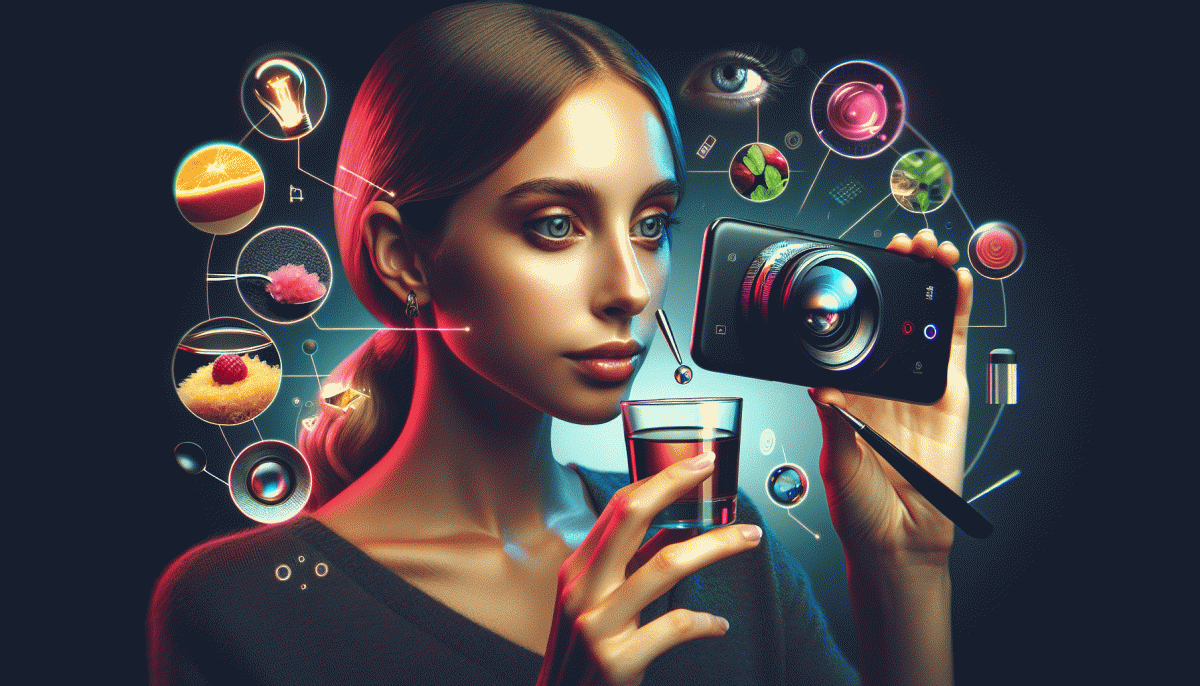
AI-driven visuals have shed their beta awkwardness and now show up everywhere — loud color, dream logic, and an obsession with tactile detail. Those bold, surreal, and hyperreal images aren't just pretty experiments; they're short-form currency. When you lean into contrasts — neon vs. natural texture, micro-detail next to sweeping scale, uncanny composition that still feels human — you build scroll-stopping frames that beg to be shared, remixed, and memed.
Start by defining a tiny visual rulebook: three palette anchors, one surreal twist, and a hyperreal finish. In prompts, pair concrete materials with absurd modifiers — "polished chrome peaches, macro pores, cinematic rim light" — then dial saturation and depth-of-field to taste. Keep a living library of output variations so designers can splice elements into banners, Reels, and thumbnails without reinventing the wheel every time.
Production-wise, treat experiments like social tests: generate 20 variants, edit the best five into short assets, and run 48–72 hour spikes to see what sticks. Encourage creators and fans to remix by releasing editable prompts and style presets; that remixability is the secret sauce for organic amplification. Also, add a quick authenticity check — real faces, candid motion, or a human-written caption keeps AI sheen from feeling sterile.
Finally, optimize for platforms: tighter crops and punchy motion for mobile feeds, grandeur and detail for long-form discovery. Track engagement by asset variant, not just post; a minor tweak in texture or scale can double shares. Nail the balance between spectacle and story, and you'll have visuals that aren't just trends — they're templates that invite participation, fuel repeat use, and make the algorithm do the heavy lifting.
Lo fi authenticity wins while glossy perfection fades
People are moving away from staged perfection and toward the charmingly flawed. Grain, shaky framing, and candid laughter create friction that hooks attention. That friction feels human, like a backstage pass, and the networks reward it because viewers spend more time and engage with content that resembles their own life. Relatable errors like spilled coffee or pet interruptions amplify the effect.
To lean into this shift, strip the polish. Shoot on phone, embrace imperfect lighting, record ambient sound, and caption organically. Use quick cuts and authentic voiceovers instead of scripted narration. Tag collaborators, show the mess behind the outcome, and keep intros under five seconds to hook viewers. Small, intentional mistakes make creators approachable and make algorithms work harder to show your work.
- Raw: Share unedited clips that show process over product and celebrate the in progress.
- Slow: Post steady, low pressure updates that build trust through consistency rather than hype.
- Boost: Prioritize real responses to comments over perfect replies and foster community momentum.
Metrics shift when authenticity wins. Watch for higher comment rates, longer view times on clips that feel unscripted, and better organic shares. Also track saves, shares, and repeat views as signals of lasting appeal. Micro influencers and everyday employees become powerful ambassadors because their imperfect content reads as recommendation not advertisement.
Run quick experiments. Replace one glossy post per week with a raw moment and measure lift. If engagement improves, widen the approach. Make a simple template for raw uploads so production stays quick. The viral playbook in 2025 rewards texture, truth, and personality over polish, so have fun and let the real show through.
Thumb stopping text overlays and kinetic captions that convert
In feeds where thumbs scroll at lightning speed, the first text block must promise something irresistible in under a second. Keep headlines to two to four words, use a bold geometric font, and a high‑contrast color band so the message reads even with sound off. Clarity first, charisma second.
Kinetic captions are not animated stickers — they are choreography. Use subtle easing, 300–450ms entries, and slight vertical motion to catch the eye without causing motion fatigue. Stagger lines so each phrase lands on an audio beat, and reserve emojis or symbols for deliberate emphasis. Maintain a clear reading path from headline to micro‑CTA.
Design for tiny canvases: place copy inside the safe zone, size for legibility when the video is shown at 25% of screen, and use semi‑opaque backplates to preserve contrast across changing scenes. Test light and dark variants and localize copy to tighten length. Replace vague CTAs with benefit‑led prompts like Get a 30% fix or See the trick.
Treat overlays as conversion assets — A/B test tempo, color, and CTA wording, then scale winners into ready‑to‑spin templates. Measure lift in view‑through rate and swipe or click conversion to prove impact. When creative teams stop guessing and start measuring, thumb‑stoppers stop being lucky and start being repeatable.
Template to trend: remixable formats your team can ship this week
Remixable formats win because they let teams trade bespoke scripts for repeatable beats. Start with three modular scaffolds — a 15–30s micro tutorial with a tight problem to solution arc; a looping visual gag that doubles as a thumb stopping thumbnail; and a UGC remix template where you layer b roll, a reaction frame, and a one line punch. Keep a single editable project file per scaffold so everyone ships polished variations, not orphan edits.
Build quick tooling: create a 3 shot storyboard (hook, proof, CTA), a 9 card caption bank mapped to emotions, a five second brand stamp, and two pacing presets (fast and slow). When you edit, lock the hook inside the first 1 to 2 seconds, move captions on a half second rhythm, and bake an always on end card that prompts either saves or shares. Define a ten word brand voice cheat so captions stay recognizable across remixes.
Ship in a day: batch record three micro tutorials, swap backgrounds in an edit template, export vertical and square, and queue four different audio beds. Test each variant for 24 to 48 hours and kill underperformers fast. KPI cheat sheet: early CTR, first 24 hour completion rate, and share to view ratio are the signals that matter. Allocate thirty minutes daily to review metrics and adjust creatives so cadence becomes a reliable ops play.
Need a fast lift so your remix can breathe and reach a live audience faster? Boosting initial reach helps the algorithm sample variants and surface the best remix quicker. For an easy start to prime your first wave, try get TT views cheap then iterate on winners using the templates above.
Read also

Visual Trends in 2026: Viral Visual Hacks Social Platforms Cannot Resist

Visual Trends in 2026: The Viral Playbook Social Feeds Can't Resist

Visual Trends in 2026: Steal the Viral Formula Social Feeds Crave

Visual Trends in 2026: The Scroll-Stopping Looks Everyone Will Copy by Friday
Visual Trends in 2026: 11 Viral Triggers Social Platforms Cannot Resist