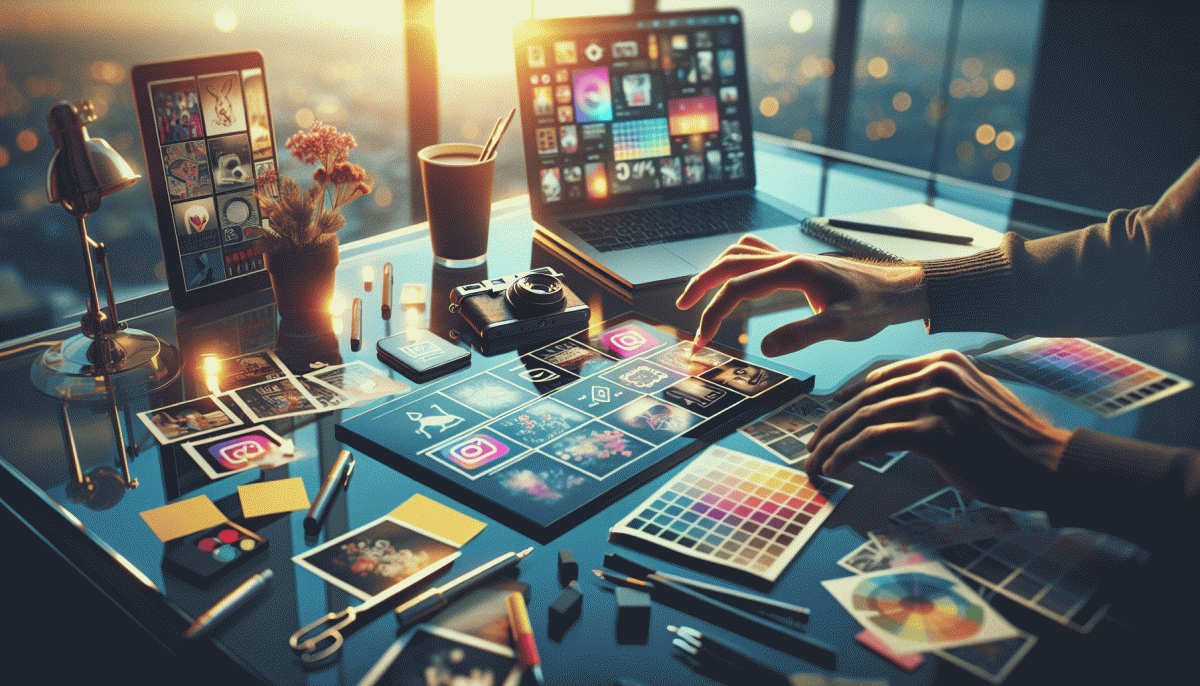
Visual Trends in 2025: Steal These Viral Visuals Before Everyone Else
The 3-Second Hook: Kinetic text, pattern breaks, and instant intrigue
Treat the first three seconds like a movie trailer: either you pull someone in or they swipe. Use kinetic text to speak faster than voiceover — snappy, two- to four-word phrases that punch in and out with purpose. Pair those words with a pattern break: unexpected crop, a sudden tilt, a face appearing from off-frame. Instant intrigue isn't mysterious; it's a small, specific surprise that asks a single question.
Build kinetic text like choreography. Keep type hierarchy extreme: one bold word, one light supporting line. Animate with crisp timing — 0.2–0.6s per movement, a breath-length pause after the hook, then a reveal. Favor scale and mask reveals over slow fades; motion should feel decisive. For mobile, limit lines to the top third of the frame so text never competes with the visual subject.
Pattern breaks are the stunt that makes motion meaningful. Flip the grid, swap a background color mid-beat, or let the camera suddenly jump to a tight detail. Try removing brand elements for the first second to build curiosity, then reward viewers with the logo at the moment they commit. Micro-experiments: swap typography at 1s, interrupt a repeating cut with a silent 0.4s hold, or break symmetry with an off-center caption.
Ship fast and measure: A/B test hooks against watch-through and 3s retention, not vanity likes. If you need creative prompts, start with: “Secret swap: show one ordinary object, then reveal its surprising purpose”; “Tiny dilemma: pose a one-sentence question and resolve it visually”; “Do this now: call for a tiny action in the first 2s. Iterate on timing before colors — in 2025, motion rules.
UGC Vibes Over Gloss: Lo-fi lighting, real faces, real wins
Forget glossy ads and staged smiles — people respond to texture, flaws, and the tiny victorious moments. A lo-fi clip of a real customer fixing a problem or celebrating a small win says "I relate" louder than a perfect product shoot. Make imperfection your signal, not your excuse, and shareable.
Lighting is the easiest authenticity hack: side window light, overheard lamps, and golden-hour backyard shoots beat studio setups for relatability. Teach creators to avoid flattening exposure; let shadows breathe. Tell them to shoot vertical, lock exposure, and keep a second take with backlight for mood. Use gridlines for composition when filming quickly.
Faces win. Close-ups on expressions, candid laughs, sniffles and off-the-cuff commentary build trust faster than graphic overlays. Encourage short micro-moments—30 seconds max—where someone explains what changed for them. Subtle sound — a creak, a sigh — sells. Use strong captions and on-screen text sparingly so the voice remains human.
Briefs that light up UGC are tiny and specific: show the first time you noticed the difference, unbox with hands-only, or record a 15-second 'what surprised me' reaction. Incentivize with shoutouts and feature slots. Repurpose clips across ads, stories, and product pages to scale without losing soul. Turn best clips into 6-15s ads to extend reach.
Measure authenticity by saves, replies, and how many UGC clips get remade by others — those are your viral signals. Run quick A/Bs: polished vs. raw, 15s vs. 30s. Keep the bar low for contributors, celebrate every real face, start with a weekly highlight reel, and you'll have a library of winning lo-fi moments.
Nostalgia Reloaded: Y2K palettes, VHS fuzz, and cozy imperfections
Think of Y2K color dumps, VHS fuzz, and cozy flaws as design superpowers rather than mere throwbacks. Combine neon pops with warm pastels, let scanlines soften a clean layout, and embrace that slightly off white for immediate tactile warmth. These are the visual hooks that stop the scroll.
When building a palette, start with one nostalgic anchor color and two modern neutrals. Use gradients that bleed like old phone wallpapers and limit saturation for depth. Practical tip: export variations at 80 and 60 percent opacity to test legibility on mobile and on darker hero images.
Textures are your secret seasoning. Add gentle grain, analog blur, or light chromatic aberration to introduce human imperfection. Keep effects subtle so composition still reads at thumbnail size, then scale up the grit for full screen moments where mood is everything.
Quick recipe to try now:
- Palette: Neon anchor with dusty pastel backups for contrast and nostalgia.
- Texture: VHS grain plus soft film burn on focal points to age content tastefully.
- Mood: Cozy imperfection; choose one intentional flaw to humanize your brand.
Want a fast way to get these looks onto social channels and test engagement? Consider tools and services like Instagram boosting service to push experimental reels and thumbnails live. Ship early, iterate often, and revel in the happy mess.
Remix to Rise: Duets, stitches, and template-driven trends
Remix culture is the fastest visual currency in a feed that moves at warp speed. Duets, stitches and template-driven formats let creators ride existing attention while stamping a personal mark. They lower production friction, provide instant social proof, and create context without explanation. The trick is to lead with a clear emotion, flip expectations in the middle, and leave a tiny visual hook that invites other creators to join.
Here is a rapid playbook you can use today: identify one trending template, decide your angle in under ten seconds, and record a version that either answers, amplifies, or subverts the original. For stitches, add concise value or a witty rebuttal. For duets, create contrast with color, motion, or timing. Templates win when a single small rule is repeated so audiences learn to spot your work instantly.
- Hook: Open with an unexpected visual beat in the first three seconds to trigger duet and stitch attention.
- Rule: Choose one repeatable gesture or palette and use it across remixes to build brand memory.
- Scale: Convert one template into three platform edits and five length variants to test reach fast.
If speed is the currency for visuals in 2025, then remix fluency is the mint. Audit trends twice weekly, save three templates, and publish a raw remix within 24 hours of spotting momentum. Measure which variant earns interactions and double down quickly. Be bold, stay readable, and let other creators do some of the creative heavy lifting for you.
Subtitles That Sell: Bold captions, emoji beats, and screen-safe layouts
Think of subtitles as tiny billboards on fast feeds: they must read in a blink, punch above the thumbnail, and still feel native. Aim for two short lines max, high contrast over imagery, and a single bolded keyword that anchors the eye. Use bold like a visual exclamation point rather than heavy copy, and favor strong sans fonts and generous line height so captions survive compression.
Adopt a three beat caption formula: Hook: one sharp verb or question, Emoji beat: one emoji that matches tone, Micro CTA: one word that invites action or curiosity. Example patterns to swipe: Stop scrolling ? Watch, or New trick: ✨ Try. These rhythms work across platforms because they break text into digestible visual chunks and give designers a reliable cadence to match with motion.
Screen safe layouts matter more than ever. Keep crucial words inside the central 80 percent frame, apply a subtle semiopaque overlay under captions when backgrounds are busy, and leave generous padding so captions do not collide with platform UI. Test at 320px wide and zoom out to confirm legibility on locked screens and small embeds.
Finally, build caption templates to speed production: swap verbs, rotate three emojis, and maintain one CTA variant. Run quick A/B tests on two top platforms and iterate on the version with higher viewthrough. Small tweaks to wording, emoji, and padding are the secret levers that turn a scrolling pause into a share.
Read also
Visual Trends in 2026: Steal the Viral Formula Social Feeds Crave
Visual Trends in 2026: Viral Visual Hacks Social Platforms Cannot Resist
Visual Trends in 2026: The Scroll-Stopping Looks Everyone Will Copy by Friday
Visual Trends in 2026: 11 Viral Triggers Social Platforms Cannot Resist

Visual Trends in 2026: The Shockingly Simple Secrets Behind What Goes Viral on Social Platforms