
Visual Trends 2025: What Actually Goes Viral on Social Platforms (Steal These Moves)
Hook in 3 Seconds: Thumb stopping framing that wins the feed
Treat the first frame like a front door. If the thumb stops there, the viewer will come inside; if not, the scroll moves on. Build instant clarity: one bold subject, high contrast colors, a crisp silhouette and shallow depth so the subject reads at a glance. Remove clutter, keep negative space, and let a clear gaze or object lead the eye.
Make motion meaningful and micro. A tiny camera nudge, an incoming object, a hand reach, or a flash will catch peripheral vision and translate to pause. Make movement enter frame toward center; that cue is primal. Edit so the initial 0.5 seconds resolve into an obvious beat, match it to a subtitle, and prefer tighter aspect crops that exaggerate face and action.
Pair these compositional moves with a launch plan so reach matches craft. For a quick amplification test try best TT boosting service to validate which thumbnail and intro drive real watch time. Run short A/B campaigns by audience slice, compare 3s retention and 6s completion, then invest in the variant that grows rewatches and shares.
Final rule: design for conversion not vanity. The thumbnail must promise the exact story the video delivers. Trim the intro until the hook is obvious, caption like a bold headline, and create a two frame template that you can swap fast. Iterate weekly, log what framing wins, and you will get steep lift from micro changes to crop, gaze, and motion timing.
Color That Clicks: 2025 hot palettes, gradients, and textures
Color that clicks in 2025 is less about blasting neon and more about surfacing personality at thumb-swipe speed. Viewers decide in a fraction of a second, so palettes that read fast and feel tactile win: bold duotones that frame a face, soft neon accents that suggest energy without screaming, and muted earthy bases that make color pops feel premium. Think of color as a headline that doubles as mood and metadata.
Stealable recipes: try a modern duotone — deep cerulean with electric coral (#005F73 + #FF6B6B) for contrast; a sunset gradient that works on motion — warm peach to magenta (#FFD6A5 → #FF2D95); or retro-soft pastels with a warm gray base (#F6E7D7 + #A3A0FF) for calming feeds. Use one dominant shade, one accent, and an anchor neutral to keep thumbnails legible across sizes.
Gradients and texture are the secret sauce. Micro-gradients (two-tone with a 5–15 degree angle) add depth without muddying faces; diagonal or radial fades guide the eye. Layer a subtle film grain or canvas texture at 3–6% opacity to stop algorithmic sterilization and make stills feel tactile in motion. For quick reach experiments, combine these visual shifts with platform tests — for example try a YouTube boosting service to see which palette variant lifts clicks before committing to a full campaign.
Quick checklist: pick a 3-color system, verify contrast at thumbnail scale, add one texture layer, and export in sRGB. Keep one consistent color hook across posts so your content becomes recognizable even when users skim. Small, repeatable color moves beat flashy one-offs every time.
AI Glow Up: Filters, generative mashups, and remix vibes that pop
Think of AI filters and generative mashups as your studio's wildcard — a tiny palette swap, a synthetic texture, or a micro-motion can convert a casual scroll into a shareable moment. Begin with one bold motif (a neon hue, a tactile grain, a signature camera wobble) and push it through styles: hyperreal, lo-fi synth, and film grain. Rather than hunting for one flawless asset, create a family of variations you can remix into different formats.
Build a fast, repeatable workflow: generate 6–10 iterations, auto-tag by mood and contrast, then select three to animate with subtle parallax, looped motion, or frame-by-frame glitching. Export multiple crops — tight vertical loops for short-video feeds, square or widescreen for community hubs, and high-res stills for portfolio platforms — so each post feels native. Small, intentional edits (a different shadow, a swapped texture) multiply into distinct social-first moments.
Design every drop to be remix-friendly. Share masked layers, separate audio stems, and a simple prompt seed so followers can drop in faces, stickers, or captions and quickly make something of their own. Provide a one-line remix brief and a starter pack; lowering the friction is how trends catch fire. The goal is to transform followers into co-creators who iterate your idea into new forms.
Three actionable moves to try now: 1) Pick one signature color or micro-motion and repeat it across at least four posts so the look becomes recognizable; 2) Release layered files and a 20–30 second remix tutorial so your community can contribute; 3) A/B test four variants and measure saves, shares, and remixes — those are the true virality signals. Move quickly, iterate loudly, and let AI amplify the idea, not replace it.
Text on Video That Converts: Captions, fonts, and motion for clarity
Micro-captions win attention. Viewers scroll at speed, so lead with a punchy, readable line that sells the outcome, not the process. Use two lines maximum on-screen, break copy where the eye naturally pauses, and always leave 200ms of still text after any punchline so viewers can process and act.
Choose fonts like you choose avatars: friendly and clear. Sans-serifs with slightly condensed widths read faster on mobile; ramp type size so titles hit 22–28px and body captions sit at 14–18px. High contrast is non-negotiable: light text on a dark card or vice versa, plus a 30% drop shadow or semi-opaque backdrop for moving footage.
Motion must aid clarity, not distract. Keep animated entrance and exit under 300ms and prefer gentle scale or slide. Test at 1x and 1.5x speed; if the caption survives, it performs.
- Hierarchy: Size and weight guide the eye—title bold, supporting line regular.
- Timing: Keep lines on-screen at least 1.5x their read-time.
- Contrast: Use backdrop panels or stroke for legibility over busy clips.
For quick templates, swipe ideas or scale delivery with services. See live examples and order optimization tips at order Instagram views fast to test variations and iterate faster.
Lo fi vs Pro: Which look gets more saves and shares?
Think of lo fi and pro as two flavors of virality: lo fi sells trust and usability, pro sells spectacle and status. Content that people save is almost always useful — templates, workflows, recipes, captioned how-tos — and lo fi frames these as human and repeatable. High-production polish tends to spark rapid shares because it creates that immediate must-show reaction: slick reveals, cinematic edits, and crisp sound design.
Guidelines to predict behavior: if the goal is saves, add clear on-screen text, step markers, and a reason to return; use lo fi textures like phone framing and candid audio so the creative feels replicable. If the goal is shares, invest in a single wow moment—transition, costume change, reveal—and lean into bold visuals and tight pacing. Platform notes: short-looping clips and punchy reels amplify shareability, while carousels and pinned tutorials build long-term saved value.
A simple A/B test that scales: pick one idea and produce two cuts — one lo fi take and one pro take — keep the caption identical, post within the same 48-hour window, and compare saves-to-views and shares-to-views after 72 hours. Repeat across three content pillars (educate, entertain, inspire). Track which aesthetic wins per pillar, not overall; communities often reward different authenticity levels depending on context.
Bold tip: bold opening hook, clear utility for saves, one cinematic beat for shares, and an explicit ending that invites action (save this / tag a friend). Do not force polish onto content that benefits from rough edges — authenticity multiplied is often more shareable than polish alone. Mix both looks deliberately and let your metrics decide the dominant aesthetic.
Read also
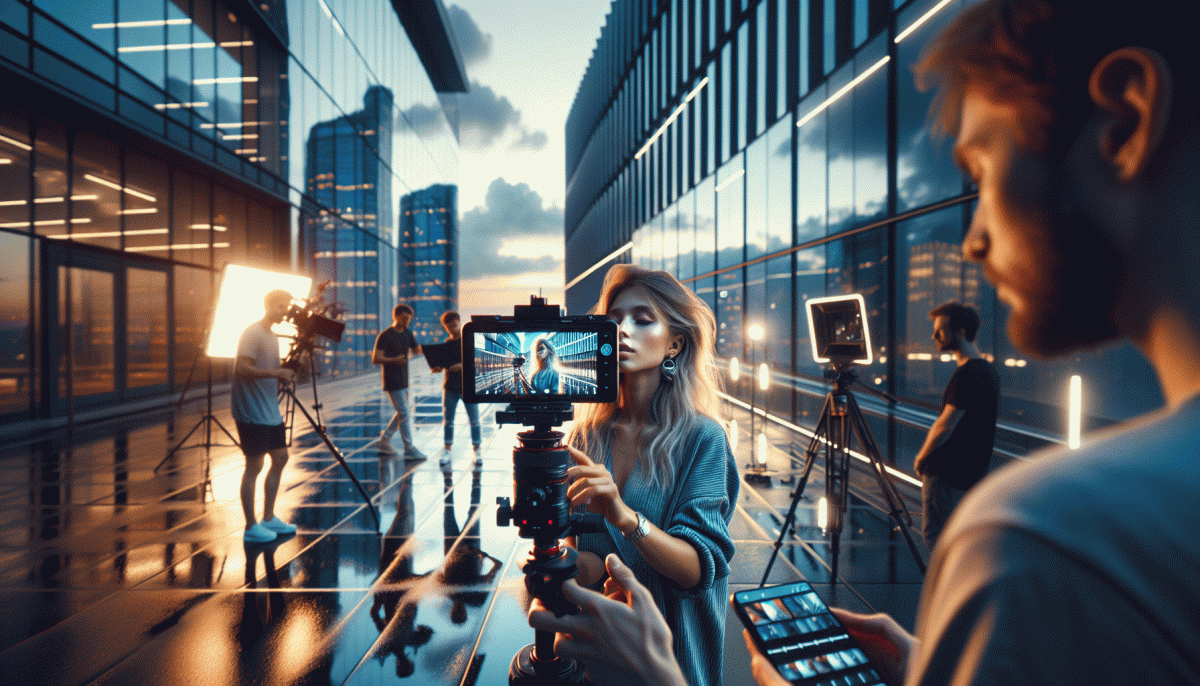
Visual Trends in 2026: What Actually Goes Viral on Social Platforms (and How to Ride the Wave)

Visual Trends 2026: What Actually Goes Viral on Social Platforms

Visual Trends in 2026: The Shockingly Simple Secrets Behind What Goes Viral on Social Platforms

Visual Trends in 2026: What Goes Viral on Social Platforms (and How to Hijack It)

Visual Trends in 2026: Viral Visual Hacks Social Platforms Cannot Resist