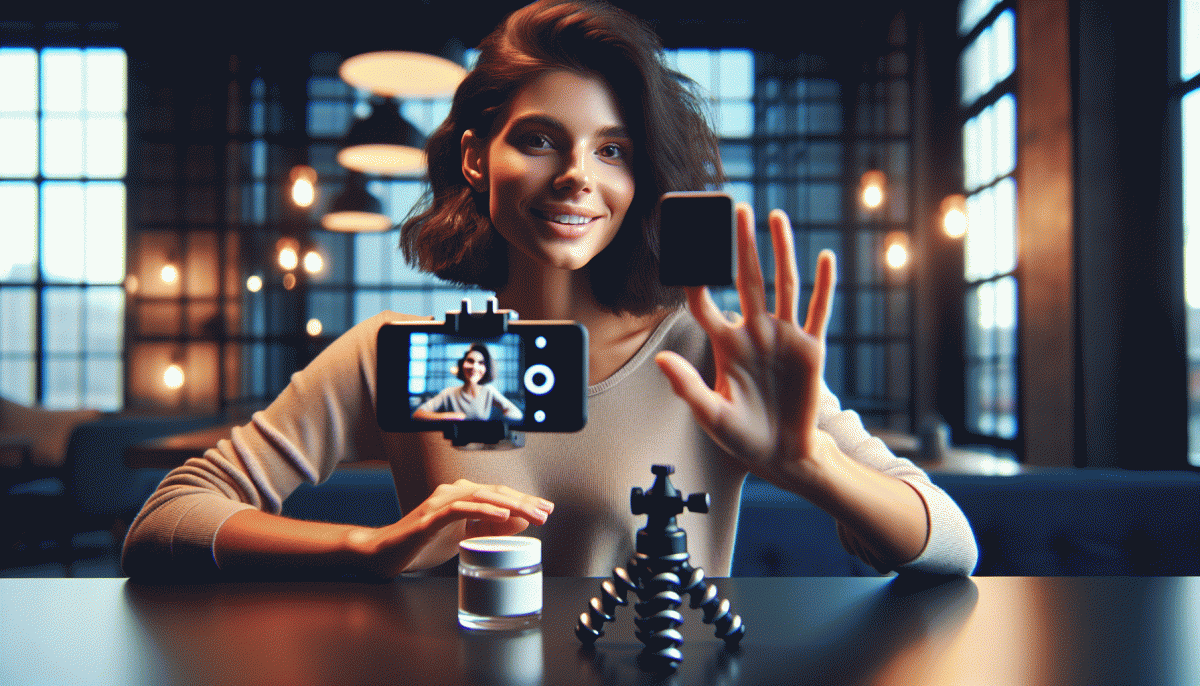
Think UGC Dies Off Instagram? Think Again—Here's Why It Still Converts Everywhere
From Feeds to Front Pages: Turn Customer Posts into High-Conversion Product Pages
UGC is not just pretty feed content—it is raw proof that sells. Start by curating high-impact posts: faces, real setups, and people actively using the product. Create a simple intake path via hashtag, DM, or upload form; tag each asset with product SKU, lighting and angle, and ask permission early so you can reuse content legally. Prioritize posts with captions that mention concrete problems solved or specific use cases.
Design product pages around those assets. Make an authentic UGC hero image the default thumbnail on mobile, add a carousel of real-life shots, and overlay a concise quote pulled from the caption. Use shoppable hotspots so a single scroll becomes a direct purchase path, and keep the UI minimal so the photo and the action button are the stars.
Copy that mirrors customer language converts. Lift a 5–10 word line from a comment as a microheadline and follow with a crisp feature to benefit sentence. Add the user name, location and a simple timestamp for context. Small badges like Verified Buyer or As Seen In add trust without sounding like an ad.
Nudge with conversion mechanics: A/B test a UGC hero versus a studio hero, test CTA copy such as "Shop Chloe Pick" versus "Add to Cart", show variant UGC for different sizes and colors, and surface common questions from comments as mini FAQs. Track add to cart rate, time on page and session recordings to see which UGC actually moves the needle.
Operationalize the system: Collect via hashtag or upload, Ask for permission, Tag assets with metadata and product links, Test layouts and Measure conversion lift. Treat customer posts as product content, not an afterthought, and you turn scroll moments into checkout ready pages that actually convert.
Inbox Influence: Remix UGC into Emails That Get Opens, Clicks, and Carts
Everyone treats the inbox like a museum of unopened dreams, but UGC is the secret curator. When you remaster candid photos, short clips, and real one-liners into snackable email elements, open rates climb—because people recognize other people. Start with a thumb-stopping subject built from a genuine line of copy: pull a sentence someone actually said and test it against a benefit-led headline.
Turn raw clips into micro-GIFs or six-second cinemagraphs that autoplay in preview panes; slice quotes into bold pullouts; reuse customer usernames as social-proof badges. For subject + preview text combos, A/B test a verbatim user quote versus a straight value promise. For images, crop to faces and add a tiny badge with real review to prime trust and reduce skepticism.
Structure the email like a short narrative: problem, proof, tiny win, one clear CTA. Use a single UGC asset at the top as hero, then sprinkle two supporting quotes inline. For cart recovery flows, insert a real-comment testimonial next to the abandoned product—sudden relevance beats generic discount every time. Segment by behavior so recent viewers see social clips and repeat buyers get behind-the-scenes UGC.
Measure micro-conversions beyond clicks: clicks-to-product, add-to-cart lifts, and step-through revenue. Treat subject lines, hero asset, and CTA copy as independent experiments and iterate weekly. Push urgency with real people—"I waited and it sold out"—but never fabricate. Make every UGC element clickable: profile, full video, or product page so curiosity converts into action.
If you need a steady stream of permissioned, high-conversion UGC to fuel those emails, consider a partner who delivers tested assets and distribution playbooks: fast and safe social media growth can supply creative-ready clips and social proof so your inbox strategy scales without sounding like an ad.
Search + Social Proof: Plug UGC into SEO Hubs and Watch Dwell Time Climb
Imagine search pages as living rooms where visitors decide to stay or leave. Stitching user content — raw reviews, pictures, quick clips — into those rooms turns them into comfortable spaces. When people recognize a voice they trust on a product page or guide, they linger. That extra dwell time is the kind of attention search engines reward.
Start by surfacing micro moments: short testimonials beneath H2s, user photos in galleries, and timestamped clips inside how-to sections. These are not decoration. They answer the exact long tail queries that bring organic visitors and give them more to click and watch. The result is longer sessions and more qualified leads moving down funnel.
Technicals matter. Wrap reviews and videos in schema markup so snippets appear in SERPs, add transcript text so crawlers index spoken content, and use descriptive alt text for every image. Lazy load heavy assets but preload the first user clip to avoid blank screens. Small optimizations compound into measurable gains.
Build a simple UGC pipeline: collect, moderate lightly, tag by intent, and embed clusters on category pages and pillar posts. Place bolded user lines near CTAs and sprinkle relatable quotes in meta descriptions where allowed. Run A/B tests to see whether a 30 second testimonial beats a 90 second demo for time on page.
Measure dwell time, scroll depth, repeat visits, and SERP changes, then iterate quickly. Treat UGC as living SEO content not one off creative. Done right, that messy, human side of your brand becomes the secret engine that keeps people reading, engaging, and converting — on search pages and every place they find you.
Beyond the Browser: UGC That Pops in Ads, Apps, Packaging, and In-Store
Think beyond the feed: short, raw customer clips are ad gold. Use a 3–6 second hero cut with product closeups, bold captions, and a clear CTA. Test vertical versus square cuts, try muted sound with captions on, and let the most authentic moment lead. You will be surprised how much trust a candid smile buys.
In apps and product pages, swap studio stills for real customer shots and micro-test short testimonials in onboarding and store listings. Rotate UGC weekly so pages feel lived-in, and add subtle badges like Verified Customer to anchor credibility. Make each asset tappable so users can jump from a screenshot to the original post and see context.
Packing is prime real estate. Feature a rotating customer image on the box, print a scannable QR that opens a curated UGC gallery, and include a tiny credit line to encourage creators. That turns packaging into a social amplifier and a reason for repeat purchase. Do not forget to secure permission before circulation.
In-store screens and experiential activations convert scrolling habit into IRL desire: live feeds, AR try-ons powered by real photos, and receipt-linked discounts for featured creators. If you want a fast way to seed that social proof across channels, try boost your Twitter account for free as a place to gather authentic posts and reactions to amplify your in-store moments.
Measure everything: A/B ad variants, dwell time on UGC-rich app pages, QR-scan lift, and conversion against non-UGC controls. Keep a repurpose calendar so one clip becomes an ad, a shelf loop, and a push. Small edits, smart placement, and creator credit keep UGC feeling modern, not tired.
Steal These Formats: Reviews, Unboxings, Before/After, and How-Tos That Sell
Think short, honest, human: these formats cut through ad fatigue because they do the heavy lifting—show results. Treat every piece as a tiny case study: one user, one pain point, one outcome, one clear next step. Keep energy up and claims verifiable.
Reviews: Ask customers for a 15–30s highlight that follows a mini-script: headline (rating + use case), quick demo, one surprising benefit, and one candid caveat. Shoot in natural lighting, capture reaction shots, and end with a repeatable one-line verdict viewers can quote.
Unboxings: Start with sound and texture—packaging crackle, ribbon pull—and move to a POV reveal. Show first impressions, assembly, and immediate first-run results. Use quick cuts for Reels/TT and a steadier pace for longform; always include the exact contents onscreen so viewers know what they get.
Before/After: Consistency is everything. Lock framing and lighting, add a timestamp overlay, and make the transformation measurable (time, % improvement, or units). Even small visible changes feel huge when sequenced cleanly; authenticity wins over polished fakery.
How-Tos: Teach one useful trick in three snackable steps. Lead with the promised benefit, list tools and time, show the process, then reveal the result. Add captions for silent viewers and a simple CTA: try it and tag the brand so you can reshare.
Repurpose like a pro: one shoot = 6s hook, 30s review, 60–90s demo, and a thumbnail image. Give creators a tiny brief (opening line, three must-have shots, close) and a micro-incentive to post. That repeatable format keeps UGC flowing and turns authentic moments into measurable conversions.
Read also

Think UGC Only Works on Instagram? Think Again: The Off Social Conversion Machine

UGC Is Not Just for Instagram: The Surprising Places It Still Converts Like Crazy

UGC Off Social Still Converts Like Crazy — Here Is How to Make It Work

We Pitted Instagram Formats Head to Head — Here Is the One That Crushes Engagement

Still Crushing Instagram Without Ads? Steal These Organic Tactics