The Zero-Cringe Playbook: How to Crush Instagram Live Every Time
The 10-Minute Preflight: Gear, lighting, and a backup plan you will actually use
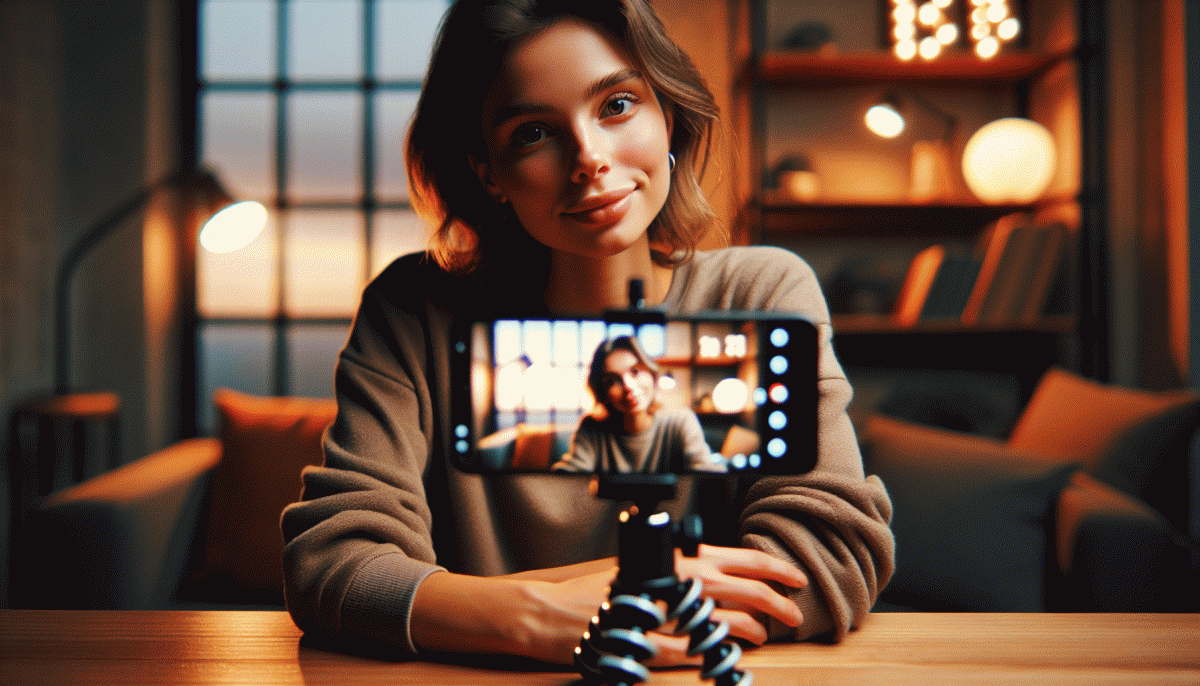
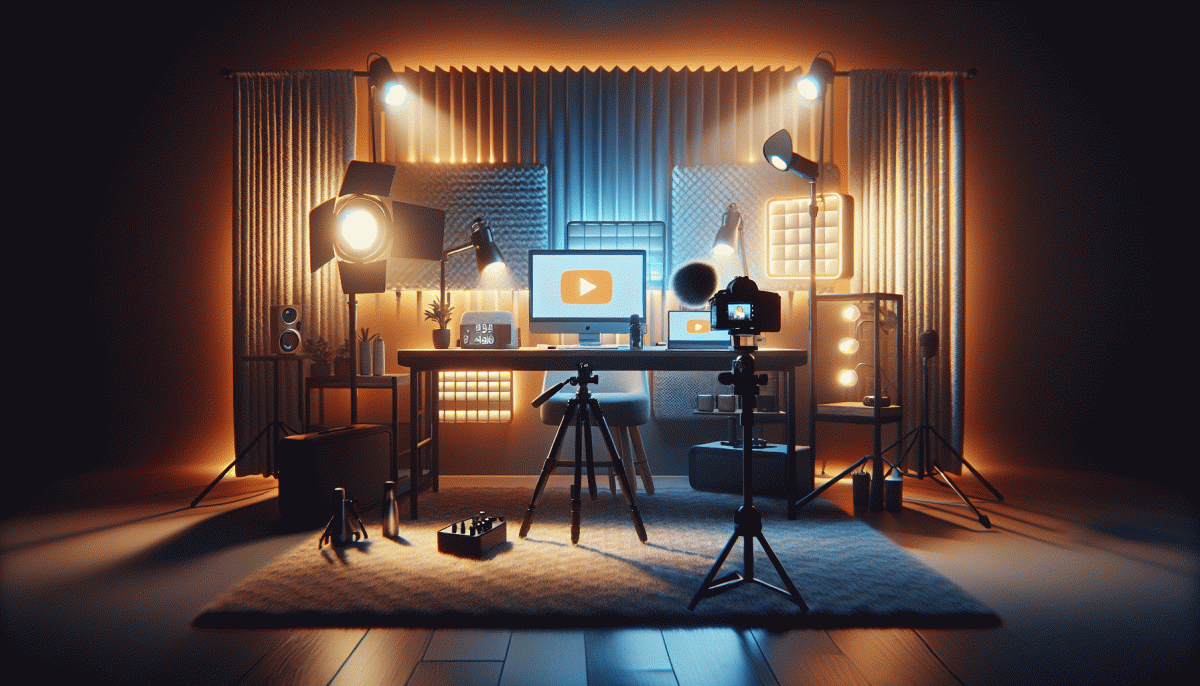
Start with a literal 10-minute countdown. First three minutes: gear. Mount your phone on a tripod and tighten clamps, swap to the main camera for better quality, plug an external mic or pair your Bluetooth mic, set resolution to 1080p/30fps and enable grid for framing. Plug in a charger, verify battery health, close battery-hungry apps, and record a 10-second test to confirm audio and video.
Next three minutes: lighting and composition. Face a soft light source or a north-facing window, avoid strong backlight, raise the rig to eye level and tilt slightly down to slim the jawline. If the space is dark, use a phone flashlight or a cheap LED panel as a fill, and bounce light with white paper. Tap the screen to lock exposure and white balance so the camera will not hunt midstream.
Minute seven and eight: redundancy and connectivity. Keep a backup phone hot and signed into your account with notifications silenced. Plug a power bank into your main device. Enable local recording while live and test microphone routing. If home WiFi is unstable, preconfigure mobile hotspot and know how to switch networks fast. Save a two-point outline in Notes so you can glance at key talking points without scrambling.
Final two minutes: quick run-through checklist. Mute unnecessary apps, open the comments panel, check framing one last time, breathe, and smile. Have a one-line backup sign-off ready so nothing awkward fills the last 20 seconds. If you want a post-stream safety net to amplify audience numbers, check a resource like safe YouTube boosting service to boost reach after the fact. Then hit Go and enjoy the show.
Hooks That Stick: Open strong and keep viewers from swiping away
First 10 seconds decide if people swipe. Open with a bold promise, a quick visual, or a curious question that aligns with the topic. Do not apologize for starting. Instead, name the payoff fast: what will they learn, feel, or gain in the next ten minutes.
Try plug and play openers: Shock and Solve: "I will show you how to double your Reels views in one tactic"; Backstage Peek: "Here is the quick setup that changed my editing speed"; Mini Challenge: "Stay for five minutes and win a free template."
Layer curiosity with micro proofs: flash a before and after image, say a surprising stat, or tease a limited moment such as a live-only resource. Use a countdown to create urgency: "Three tips, each under two minutes. Tip one starts now." This keeps momentum and rewards staying.
Hook plus interaction is dynamite. Ask a simple, fast action in the first minute: "Type YES if you can hear me," or "Drop the city you are in." Callouts pull watcher attention to the chat and raise algorithmic signals. Surface a viewer name quickly and thank them to lock attention.
End your opening with a retention loop: promise a payoff later and stitch a cliffhanger to a later segment, for example "I will reveal the worst mistake at minute twenty." Rehearse the opener until it lands natural. Small scripts that feel live win over long monologues every time.
Host Mode, Not Deer-in-Headlights: Handle chat, trolls, and awkward silence
Think of chat as cohost, not noise. Before you go live, pin three prompts: a quick rule, a first question to kick things off, and a shoutout cue to reward early commenters. Open with a thirty second welcome that names the topic, calls out the pinned prompts, and tells new viewers how to jump in. That tiny structure kills confusion fast.
Trolls love attention. Adopt a three step mantra: acknowledge, reframe, remove. Acknowledge quickly with a neutral line, reframe the energy by asking the chat a genuine question relevant to the stream, then activate moderators or platform tools to remove repeat offenders.
Pro tip: save one short canned reply so you do not stall while typing.
Awkward silence is a stage cue, not a panic trigger. Keep a stack of sixty second fillers: a behind the scenes anecdote, a rapid demo, a mini tutorial, or a spontaneous giveaway prompt. Use simple on screen text cards to reset attention and ask narrow, answerable questions like Yes or No, or Which color, A or B, to get quick engagement.
Technicals and rehearsal are your secret weapons. Assign a chat moderator, enable slow mode or comment filtering, and use a short delay if you expect spammers. Practice three smooth transitions so you can move from talking to Q and A without sounding robotic. Confidence is contagious and will make your live feel like an easy conversation.
Sell Without Selling: Seamless CTAs and product demos that feel human
People skip when they feel sold to. Start with a tiny story or a live problem so the demo looks like a helpful answer, not an ad. Open with a line about a real pain point, name it fast, then show one concrete outcome they can picture. Keep the banter light; the goal is to connect before you convert.
Structure demos in three short acts: set the scene, show the fix, show the result. Use a real phone angle or screen share, narrate what you are doing aloud, and keep each demo under 90 seconds. Ask one question to the room and respond to a comment to make it feel like a conversation rather than a monologue.
Make CTAs tiny and optional. Phrases like Try this or Want the link? perform far better than “buy now”. For example, if you are pointing people toward a reach boost, say: If you want faster traction, consider this option: buy Instagram followers fast. Place that CTA after a quick win and never frontload the ask.
Finally, instrument everything. Track which micro-asks get a reaction, repeat the wins, and iterate. The combination of short demos, conversational CTAs, and tiny commitments is the secret sauce that makes selling feel like helping.
Post-Game Glory: Repurpose, captions, and analytics to grow the next live
The live ends but the momentum does not. Treat the recording like raw gold and create a fast post game routine that turns one hour of streaming into a month of content. Think of repurposing, captions, and analytics as a single loop: extract the best moments, write magnetic captions, then learn from numbers to improve the next show.
Start with repurposing. Trim the top 3 to 6 moments into 30 to 60 second clips for feeds and stories. Export the audio alone for a podcast teaser or an audiogram. Turn a clever on air exchange into a quote card with a bold visual. Pack a longer recap for IGTV or a pinned YouTube short. Plan distribution on day 1 so nothing sits unused and every asset has a clear placement and purpose.
Captions are not an afterthought. Open with a hook that forces a pause, add a one line summary, then close with a clear action. Use timestamps for long replays so skimmers find value fast. Consider short caption templates you can reuse: Hook: One sentence curiosity trigger.
What: One line summary.
Do: One action like comment, save, or click the link in bio. Test emojis and one branded hashtag to improve discoverability.
Do not ignore analytics. Key numbers are average watch time, peak concurrent viewers, retention by minute, comments, shares, and CTA clicks. If average watch time is low, shorten the next format or move the hook to the opening 20 seconds. If shares are high, double down on conversational segments. Use session notes plus numbers to form one hypothesis for every live and test it next time.
Finish each live with a quick checklist: export clips, write three captions, schedule posts, and log two learnings from analytics. Repeat with small experiments and soon you will have a content flywheel that grows the next live before it even starts.
Read also

Instagram Live Without the Cringe: The Unfair Playbook They Don't Want You to Use

Go Live on Instagram Without Cringe: The Shockingly Simple Playbook
Go Live on Instagram Without the Cringe: Steal These Pro Tricks to Wow Viewers
You’ve Been Doing Instagram Live Wrong—Do This Before You Hit ‘Start’

What the Algorithm Really Wants from You on Instagram: The Playbook It Won't Post