
The One Thing That Explodes Your YouTube Clicks (No, It's Not Luck)
Why thumbnails beat titles: the first-glance psychology you can hack
On YouTube the split-second decision to click happens in your thumbnail, not your title. Our brains parse images almost instantly — color, face, motion cues — while reading requires intent. That's why master creators obsess over thumbnails: the first glance must communicate a promise before curiosity meets the keyboard.
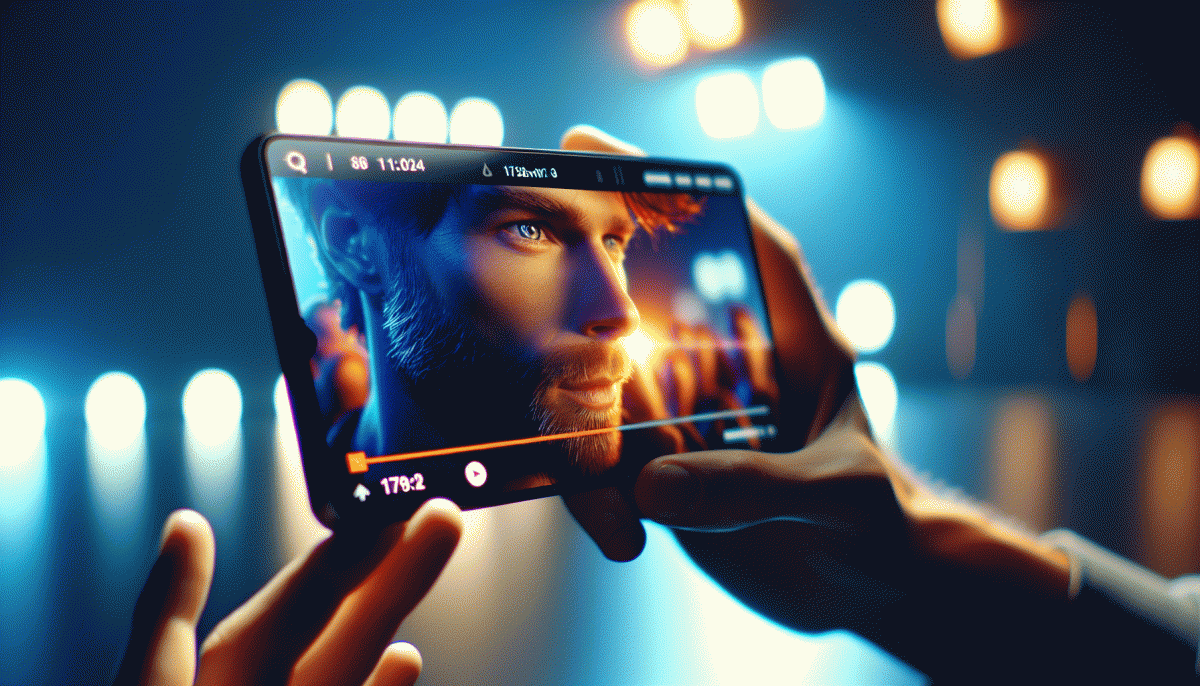
Humans are wired for faces and contrast. Close-up eyes, exaggerated mouth shapes, and a strong silhouette read from the periphery; titles sit in the slower language centers. On mobile, where screens are tiny and attention is scarcer, a bold visual beats a clever headline every single time.
Practical hacks: pick one focal element, amplify contrast, add 3–4 words max in bold type, and crop tight. If there's a person, push the expression to the edge of believability; if it's an object, isolate it on a simple background. Small text equals zero readability — don't make viewers work to decode your hook.
Treat thumbnails like experiments. Swap two variations, change only one variable, and watch CTR move. Keep a template for brand recognition but rotate emotions, color swatches, or text placement to learn what actually hooks your audience instead of guessing.
Before you upload, run a quick sanity check: can someone identify the subject from a phone lock screen? If yes, export crisp and upload. Titles are still important — they confirm the promise your image makes — but when you nail the thumbnail first, clicks follow like clockwork.
Steal these thumbnail hooks that trigger instant clicks
Think of a thumbnail as a tiny billboard, not an afterthought. The best ones don't explain — they provoke a quick, almost involuntary question: "What happened next?" Focus on a single emotional trigger per image and amplify it with contrast, readable text, and a tight crop so viewers can parse the promise at a glance.
- Curiosity: A half-revealed action or question that makes the brain crave closure.
- Shock: A surprising object, expression, or number that breaks expectation without misleading.
- Proof: A measurable before/after or a clear visual result that signals value before the click.
Mock up three variations: one curiosity, one shock, one proof. Run them as mini-experiments and watch which hook delivers the best clicks + retention. If you're testing reach as well as creative, accelerate your data with a targeted promo like YouTube boost so you don't have to wait weeks to know what works.
Quick checklist before you export: 1) bold face or object, 2) two to three words max of high-contrast text, 3) exaggerated expression or prop, 4) consistent color palette so your audience recognizes you. Swap underperformers every 48–72 hours and treat thumbnails like ad copy you can optimize — that's how clicks stop being lucky and start being engineered.
Color, contrast, face: the 10-second tweak that spikes CTR
Ten seconds is all you need to turn a scrolling thumb into a stopping thumb. Treat the thumbnail like a billboard: one dominant color, clear contrast, and an unmistakable face. The feed moves fast, so make the message readable in a glance and impossible to ignore.
Color does heavy lifting. Pick a single punchy hue that stands apart from the platform chrome and stick to it across a series to build visual muscle memory. Push saturation slightly on the accent, cool or warm the background away from skin tones, and avoid tiny multi color clutter that makes the image read as noise at small sizes.
Contrast gives letters and edges their shout. Use a subtle vignette or a clean background blur to isolate the subject, add a thin light or dark outline to enforce silhouette, and nudge midtone contrast so features stay legible on dim screens. Remember that thumbnails are tiny art; defined shapes beat pretty gradients every time.
Face is the emotional shortcut. Crop tighter so eyes and mouth dominate the frame, choose an expression that telegraphs the video feeling, and use gaze or pointing as an arrow toward your headline or graphic. Faces that tell a story at first glance drive curiosity and humanize the click.
Concrete 10 second recipe: bump main hue saturation by about 15 percent, desaturate background by 10 percent, apply a 2 to 3 pixel stroke to separate subject, brighten eyes slightly, sharpen at low radius. Export and run three thumbnail variants. Compare CTR across the first 48 hours and iterate on what actually moves the needle.
Want a shortcut to scale results fast? See services that fast track exposure at buy YouTube boosting service and pair the thumbnail tweak with smarter distribution for quicker learning.
The 3-word rule for on-image text (and when to break it)
Think of on-image text as a billboard seen for a heartbeat while someone scrolls. Three words force discipline: they remain readable on tiny phone screens, demand larger, punchier type, and give the eye one compact idea to latch onto. Use that scarcity to tease curiosity rather than summarize the whole video.
How to pick those three words? Aim for an action word, a bold benefit, and a compact context. Swap out filler like "how to" for a verb: "Fix", "Beat", "Make". Examples: "Beat Imposter Syndrome" or "Speed Clean Kitchen". If semantics get crowded, choose the strongest two words and support meaning with an icon or a face expression.
Know when to break the rule. Exceptions include a single, widely recognized brand name, an essential acronym, or episode numbers viewers scan for. Also allow a fourth token when a short number or emoji adds critical clarity. When in doubt, view the scaled thumbnail on an actual phone: if legibility or meaning collapses, simplify.
- Hook: Lead with a verb that implies an outcome.
- Size: Use thick, high-contrast type so the three words still pop at tiny sizes.
- Test: A/B a conservative three-word thumbnail against a broken-rule version and measure CTR.
Treat three words as your default hypothesis: start there, run quick experiments, then break the rule only when data or context demands it. Need a faster way to validate thumbnails at scale? boost YouTube and iterate without the heavy lifting.
A/B testing thumbnails on YouTube: your fastest path to a winner
A/B testing thumbnails is the shortest, highest-leverage experiment you can run to move the needle on click-through rate. Instead of guessing which image 'feels' right, you put hypotheses to work: brighter background vs dark, close-up face vs product, big text vs no text. It's cheap, fast, and painfully honest — the audience votes within days. Win the thumbnail and you unlock more views without changing your content.
Set your test up like a scientist, not a gambler. Pick one variable per test, define a clear hypothesis, and decide which metric matters most — usually CTR first, then average view duration as your sanity check. Let the test run until results stabilize (avoid celebrating spikes after a single day). If you split traffic or run sequential tests, document timelines so you don't confuse seasonality with a real win.
Practical moves: create three strong variants that differ visibly on mobile thumbnails, keep title and description identical, and use YouTube's native experiments or tools like TubeBuddy/vidIQ to split exposure. Prioritize contrast, facial expressions, readable text at small sizes, and a single focal point. Don't overcomplicate with six tiny tweaks — big visual differences give clearer signals. Capture results in a simple spreadsheet: variant, CTR, avg view duration, and notes.
When a winner emerges, deploy it across the campaign and treat it as a new baseline to iterate from. Combine thumbnail wins with small title tweaks for compound lifts, and keep a swipe file of winning layouts to speed future tests. Most creators think virality is luck; A/B testing makes it repeatable. Try one focused thumbnail experiment this week and let the data tell you what actually gets people to click.
Read also

The One Thing That Drives Clicks on YouTube (Spoiler: It's Not Your Video)

The One Thing That Drives Clicks on YouTube (Hint: Your Thumbnail Rules the Game)
The One Thing That Drives Clicks on YouTube (You're Probably Ignoring It)

The One Thing That Drives Clicks on YouTube (No, Not the Algorithm)

The One Thing That Drives Clicks on LinkedIn (You're Probably Ignoring It)