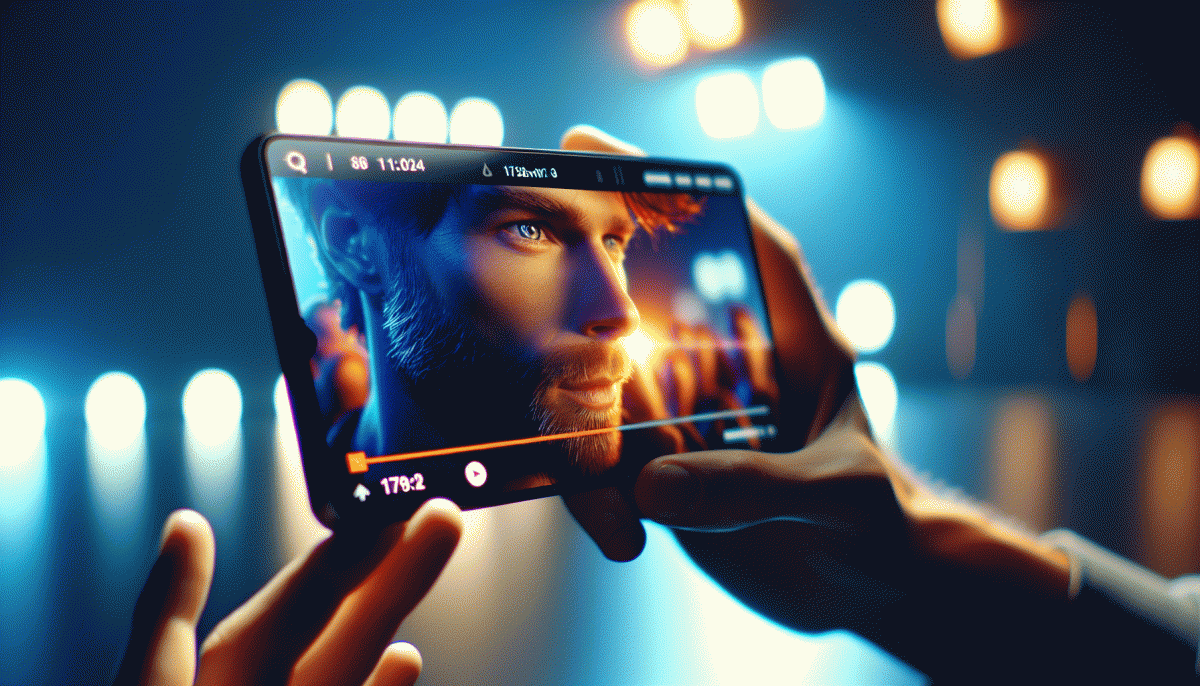
The One Thing That Drives Clicks on YouTube (You're Probably Ignoring It)
Spoiler: It's Your Thumbnail—Here's Why People Click
Think of your thumbnail as a tiny billboard in a sea of noise. In three seconds viewers decide whether to tap, so the image has to shout a story at thumb size: who, what, and why care. If the frame is fuzzy, crowded, or bland it loses the battle before the video even starts.
People click when an image solves a curiosity itch or promises an emotional payoff. That is why Contrast grabs the eye, Emotion creates connection, and the Curiosity gap makes them want to know more. Faces with clear expressions, bold color separation, and a single readable focal point are psychological shortcuts the brain uses when skimming.
Make thumbnails work by simplifying: use one large face or object, readable text no smaller than a thumbnail, and high contrast between subject and background. Favor bright, on-brand colors and strong edge separation so the image reads on dark mode and small screens. Keep a consistent visual style so your content becomes instantly recognizable.
Run a tight experiment: swap thumbnails on two similar videos and watch CTR plus audience retention in the first 15 seconds. If CTR climbs and viewers stick around, you found a winner. Treat thumbnails like mini ads—test, iterate, and keep the creative lean and loud.
Make Title + Thumbnail Tell One Irresistible Story
Think of your title and thumbnail as a tiny movie poster: together they sell one micro-moment. Pick a single conflict or promise and make every pixel and word point to that payoff. When image and text tell the same, irresistible story, curiosity converts into clicks. If they contradict one another, viewers hesitate and scroll. Design for an arm's-length glance — readable instantly, persuasive in three seconds.
Start by naming the emotional hook: surprise, relief, envy, humor, or “how-to” satisfaction. Build a compact narrative: setup (object or face), twist (expression or prop), payoff (benefit hinted in the title). Keep thumbnail text to 2–4 bold words over clean negative space, use one bright accent color, and favor close-ups with extreme expressions when people are the story. High contrast and simple composition make your story legible on small screens.
Write a title that completes the thumbnail sentence. If the image shows shock, the title answers why: I Tried X — My Jaw Dropped. If you tease a transformation, promise the result: From 0 to 1,000 Subscribers in 30 Days. Use brackets or time cues like [Case Study] or (3-Min Fix) to add clarity. Be specific — details reduce friction. Skip vague hype; specificity raises trust and CTR.
Then measure. A/B test thumbnails and title variants or use YouTube experiments, and watch CTR alongside watch time. If CTR spikes but retention tanks, you shifted the promise too far from the content. Quick pre-upload checklist: one-line story, 2–4 thumbnail words, focal face or prop, high-contrast palette, and a title that finishes the visual promise. One cohesive story beats flashy noise every time.
The 3-Second Blink Test: Would You Tap or Skip?
In a noisy feed your thumbnail has about the length of a fast blink to make its case. That micro-second handshake is where curiosity either lights up or your viewer flicks away. Treat those first three seconds as a tiny audition: grab attention with contrast, tell a mini-story with one clear subject, and make the emotional cue — surprise, joy, shock, intrigue — readable even on a tiny phone screen.
Design decisions matter. Use a close-up face with eyes looking toward the frame to create a directional pull, keep text to a bold two- or three-word punch that fills roughly a third of the image, and pick a color combo that pops against YouTube's dark UI. Big, expressive faces + one promise + high contrast beats cluttered scenes every time. And yes, that goofy prop you love? If it doesn't read at thumb-size, swap it out.
Messaging should balance promise with curiosity. Don't spoon-feed the whole story (that kills the click); instead tease the outcome: what will change for the viewer if they tap? Avoid sensational clickbait that breaks trust — consistent, honest intrigue builds a higher long-term CTR than repeated bait-and-switches. Small typographic tweaks and tighter crops often move the needle more than total redesigns, so iterate fast.
Try this quick routine: make three thumbnails — conservative, bold, and weird — run them for a few days, and let CTR decide. Track watch time after clicks; a high CTR with low retention signals a mismatch. Aim for incremental lifts (even 5% matters) and keep a swipe file of winners to borrow from later. Nail the blink test and the rest of the funnel will have something to work with.
Steal These Thumbnail Hooks: Faces, Contrast, Curiosity
Eyes win. On a busy YouTube feed a human face with a clear expression pulls the eye faster than any logo or fancy font. Use a close-up, exaggerated emotion, and direct or off-camera gaze to create visual direction. Crop tight, boost clarity, and make sure the expression still reads at tiny sizes—big feeling equals big pause.
Contrast makes that face pop. High contrast between subject and background, bold color blocking, or a bright foreground against deep shadow increases legibility on small screens. Try a complementary background hue, add a thin outer stroke to separate hair and shoulders, and raise midtone contrast so faces do not get swallowed by the scene.
Curiosity is the tiny hook that turns a glance into a click. Tease a question, show a partial object, or pair the face with a short caption of three to five words. Leave one gap the viewer wants closed: a blurred item, an off-screen look, or a cropped mystery that begs resolution rather than giving the punchline away.
Combine them like a recipe: face + contrast + curiosity. Make a reusable template, test two thumbnails side by side, and preview at 200px before uploading. Keep text minimal, sharpen edges, and export at high quality so compression does not kill your detail. Try this on your next upload and track CTR—small design choices drive the clicks you are likely ignoring.
CTR Killers to Nuke: Tiny Text, Clutter, Meh Colors
Small unreadable type is like a secret handshake — beautiful but useless. If viewers cannot read your hook at a glance, they will not click. Use a tight, punchy 3–4 word headline, bold sans serif, and at least 40–60% of the thumbnail's readable area. Big type wins on phones; tiny type disappears in a scroll on tiny screens.
Clutter confuses. Drop noisy backgrounds, extra icons, and second-rate stock props. One focal subject, one expression, one short phrase — that is the rule. Add a thin stroke or subtle shadow to separate text from busy pixels, but do not overlayer five effects. If it feels crowded on a 200px tall preview, it is too busy and will bury your hook.
Colors can whisper or scream. Choose a high-contrast combo that separates foreground from background, then anchor it with a consistent accent color for your channel so viewers learn to recognize you. Saturate deliberately: desaturated tones tend to blend into feeds. Test thumbnails in dark and light modes and tweak until the hero element pops at thumb-sized scale and the CTR starts to move.
If you want quicker leverage, pair better thumbnails with a small promotional push — organic traction scales when the first wave actually converts. For easy, legitimate boosts try get instant real YouTube subscribers, then run A/B thumbnail tests to see which cuts through. No spam, no shortcuts — just momentum you can measure.
Read also

The One Thing That Drives Clicks on LinkedIn (You're Probably Ignoring It)

The One Thing That Drives Clicks on LinkedIn (And You're Probably Ignoring It)

The One Thing That Drives Clicks on YouTube (Spoiler: It's Not Your Video)

The One Thing That Drives Clicks on YouTube (No, Not the Algorithm)

The One Thing That Drives Clicks on YouTube (Hint: Your Thumbnail Rules the Game)