
The One Thing That Drives Clicks on YouTube — Master This and Watch CTR Soar
Stop the scroll fast — the 3 second eye test
You have roughly three seconds to make a stranger stop scrolling. That micro-window is not about cleverness; it is about clarity. If a viewer cannot immediately read the subject, see a face, or get a mood from the tiny thumbnail, they will flick past. Treat the thumbnail like a billboard seen at speed: bold shapes, high contrast, and a single readable promise.
Start with composition: large, center subject; super-tight crop on faces; eyes looking at camera or pointing into frame; minimal clutter. Add a pop color that separates your thumbnail from the feed and keep text to one short punchy word or a two-word phrase in a heavy, high-contrast font. Avoid tiny logos, busy backgrounds, or long sentences — they become noise at mobile sizes.
Then optimize the motion frame and title together. Pick a thumbnail that matches the title tone so expectations align; mismatches kill CTR and retention. If your content has action, use a frozen action frame with clear lines and direction. Test two variations: one with a face and one without. Use bold words in the title that finish the thought the thumbnail begins.
Run the 3-second eye test like this: squint at the thumbnail on your phone, cover half the screen, then ask a colleague if they know what the video promises. If they cannot answer in three seconds, iterate. Swap colors, crop tighter, simplify copy, and track CTR after each change. Small, frequent tweaks compound — nail that first glance and watch clicks climb.
Faces, emotion, and gigantic words — the thumbnail trio that wins
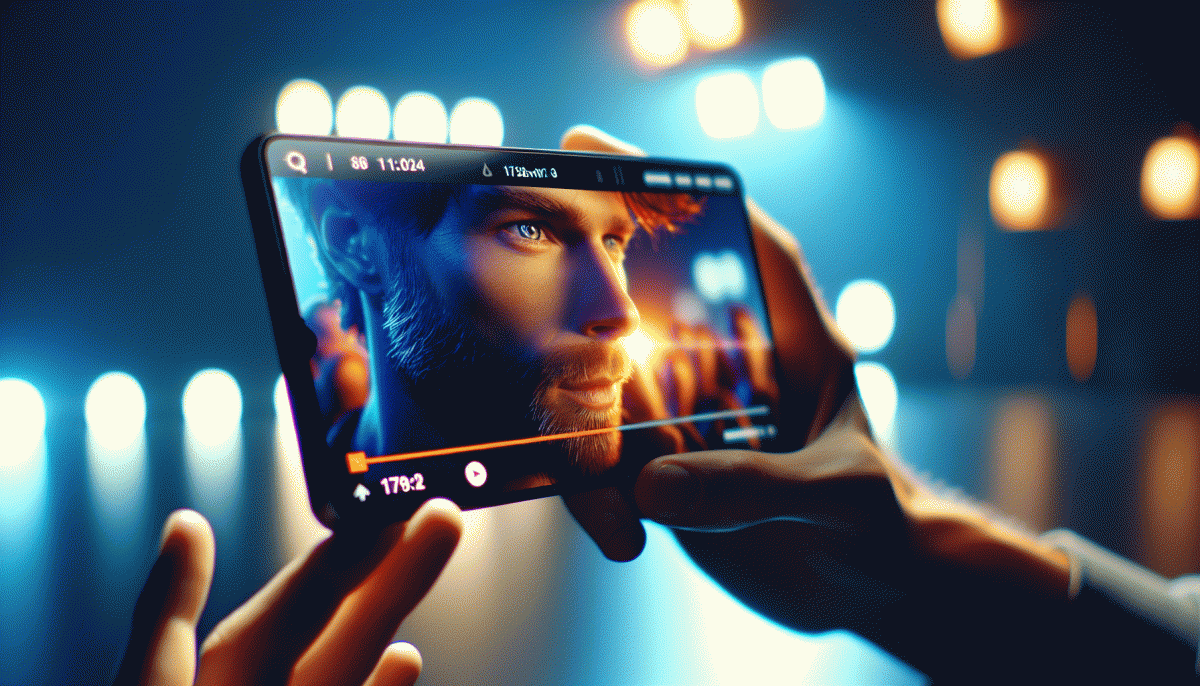
The fastest way to force a double take is the trio working in unison: a face that reads like a headline, an emotion you can feel through pixels, and giant words that answer the viewer's question in one glance. Faces are hardwired to grab attention, emotion shortcuts decision making, and clear copy removes doubt. Use a close up where the eyes or an expressive mouth dominate the frame and let that emotion sell the click.
Design rules that actually help: let the face occupy about half the thumbnail so expressions remain legible on mobile, favor direct eye contact or a clear gaze direction, and pair that gaze with a bold 2–4 word hook. Choose thick, heavy sans serif type, add a dark outline or drop shadow for separation, and pick one saturated accent color so text pops against any background.
Think tiny-screen reality: preview thumbnails at small sizes and ask, Can a viewer read this in one or two seconds? If not, simplify. Remove background clutter, increase text weight, crop tighter on the face, and leave breathing room so elements dont fight. Match the emotion to the headline to create a curiosity gap that makes people want the answer inside the video.
Treat thumbnails like ad creative: build three template variations, run short A/B tests, and optimize for CTR first then for watch time. Keep a swipe file of winning expressions, color combos, and headline words, iterate quickly, and measure uplift by cohort. Small, deliberate tweaks to expression, crop, or typography often deliver the biggest CTR gains, so let thumbnails do the heavy lifting.
Color that pops — contrast and composition that scream click me
Thumbnails live at a glance — a tiny rectangle that must scream "click". The secret is contrast plus composition: a high-contrast subject on a simpler background, a single accent color that the eye tracks, and negative space that prevents visual chaos. This combination creates an instant focal point even at 200px wide.
Use color like a headline writer uses an exclamation: sparingly and with purpose. Pick a dominant hue for the subject and an accent that is opposite or triadic on the color wheel; use saturation to push the pop. Add a thin outline or soft glow to separate skin or product from busy backgrounds — readability wins.
Make text bold and minimal: three words or fewer, heavy weight, and high contrast against the underlying image. Isolate a facial expression or product close-up and frame it with a vignette or diagonal composition to guide the eye. If you want fast external traffic to validate which colors convert, try the best Twitter boosting service.
Measure everything: test two color palettes across the same thumbnail layout and compare CTR after 1,000 impressions. Use heatmaps inside your editor or eyeball where viewers look first — faces and bright items pull gaze. Then double down on variants that move the needle and drop the rest like dead weight.
Quick cheat-sheet: cyan + orange screams adventure, purple + yellow feels premium, and red should be used for urgency not filler. Stay consistent across a series so viewers learn your visual language, then surprise them with one bold deviation. Small changes in contrast equal big jumps in click behavior.
Title plus thumbnail — a promise pair that builds irresistible curiosity
Think of the title and thumbnail as a tiny theatrical duet: the title whispers a promise and the thumbnail nods with proof. When they work together, viewers experience a curiosity short-circuit — a little itch that can only be scratched by clicking. Nail that duet and CTR stops being a hope and becomes predictable.
Here's the psychology: curiosity loves a gap. Your title should hint at a surprising outcome or question; the thumbnail should suggest the payoff without giving it away. Too literal and interest dies. Too vague and viewers won't see a reason to risk a click. The trick is to promise enough to spark a question, then visually signal that the video contains the answer.
Try this three-point micro-checklist before you publish:
- Hook: 3–7 words that tease a result or mystery.
- Proof: a bold thumbnail element (face, object, number) that makes the title believable.
- Benefit: imply what viewers gain if they click — learn, laugh, save time.
Be ruthless about testing: swap one word in the title or tweak thumbnail contrast and run 48–72 hour A/Bs. Test at least three title-thumbnail combos, analyze CTR and watch patterns emerge. Iterate fast, keep branding consistent, and don't bury the curiosity — amplify it. Clicks follow craft.
Test, tweak, win — quick A B experiments that boost CTR
Think like a chef with a tiny kitchen: small swaps, fast tasting, repeat. Set up mini experiments that isolate a single variable so you actually learn which change moved the needle. Keep the test cheap — two thumbnail variants, one title tweak, or two different hooks — and treat each run as a hypothesis check, not a permanent decision.
Use a clear measurement plan: pick CTR as the north star, decide a minimum sample (for example 1,500–3,000 impressions) and a maximum runtime (five to seven days). Upload both variants at the same time or switch after a burn-in, then compare performance by percent lift. If one variant wins by a comfortable margin, roll it out and log the result. If results are close, iterate with a new angle instead of flipping coins.
Here are three quick experiments to start today:
- Thumbnail: Swap colors, zoom faces, or add a bold promise in the corner to test visual contrast and readability at small sizes.
- Title: Try an emotional word versus a curiosity hook, or add a bracketed format like [Beginner Mistake] to measure clarity versus intrigue.
- Hook: Change the first three seconds: cut to action, tease the outcome, or add a surprising fact to see which keeps people long enough to click.
Document everything in a simple spreadsheet so patterns emerge: which color palettes, words, and shots consistently win. Then scale winners into future videos and keep the tempo high — quick cycles beat perfect plans every time. Test, tweak, and celebrate small wins.
Read also

The One Thing That Drives Clicks on YouTube (Spoiler: It's Not Your Video)
The One Thing That Drives Clicks on YouTube (You're Probably Ignoring It)

The One Thing That Drives Clicks on YouTube (No, Not the Algorithm)

The One Thing That Drives Clicks on YouTube (Hint: Your Thumbnail Rules the Game)

The One Thing That Drives Clicks on LinkedIn (You're Probably Ignoring It)