The One Thing That Drives Clicks on YouTube (And Why You Are Not Using It Yet)
Curiosity is the Click Magnet: Package a Promise, Not a Plot
Clicks are a vote of curiosity: people don't want the full story, they want a better tomorrow in thirty seconds. Instead of outlining the plot, package a promise — a clear, tiny outcome the viewer can imagine getting if they hit play. That "micro-promise" is your hook: it teases benefit, sets expectation, and creates an emotional itch that only the video can scratch.
Make that promise concrete. Swap vague blurbs for specific stakes and sensory verbs: "stop wasting time", "get 3x more views", "feel less anxious in 3 days." Numbers, timeframes, and a surprising contrast ("before vs after") convert curiosity into click intent. Visual language in titles and thumbnails helps the brain simulate the result, which is why a measurable benefit beats a mysterious storyline every time.
Pair your promise with a thumbnail that shows outcome, not process. Don't show the long, messy middle — show the bright 'after' or a dramatic moment that implies transformation. Change "My Workout" to "How I Gained 10 lbs of Muscle in 8 Weeks" and your video stops being a diary and becomes a short contract: play me, and you'll learn how.
Finally, treat curiosity like a hypothesis: test two promises, measure retention and click-through, then double down on the winner. Be bold but honest — underdeliver and trust evaporates; overdeliver and subscribers stick around. The easiest way to drive more clicks is to stop summarizing events and start selling the outcome with a wink.
Thumbnail First: Big Face, Bold Words, Zero Clutter
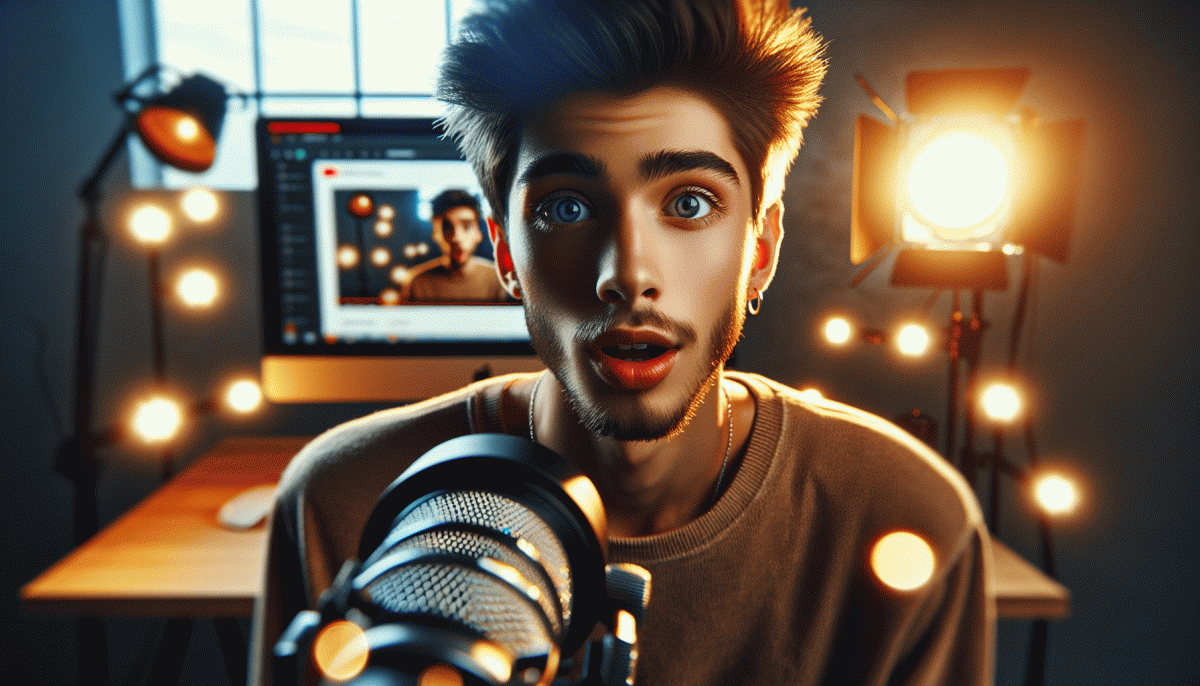
Think like a scroller: tiny screen, milliseconds to decide. A thumbnail with a close up face and an obvious emotion wins attention because humans are wired for faces. Make the head large, eyes toward the camera, and expression readable even at thumb size. Crop so the face fills most of the frame and remove anything that competes for focus. The simpler the visual punch, the higher the click probability.
Words must shout, not whisper. Use three words max and choose a single strong verb or noun plus one modifier. Pick a heavy sans font, add a short outline or shadow for contrast, and keep the type size gigantic. Remember that most views come from mobile, so if the text is not legible on a one-inch slice, it fails.
Zero clutter is not a slogan, it is a rule. Replace noisy backgrounds with high-contrast color blocks, blur or darken everything behind the subject, and skip tiny secondary elements like badges or long captions. Aim for a single focal path: face, short text, high contrast. Use bold color accents to separate face and text so they read at a glance.
Turn this into a repeatable system: create one thumbnail template, batch-export at YouTube size, and preview at actual mobile scale before upload. A quick A/B of two expressions or two word choices will teach more than theory. Make one high-impact thumbnail now and you will start to see how much attention a clean, big-face, bold-words image actually earns.
Title Alchemy: Swap Bland for Bold in 8 Words or Less
Think of titles as micro-slogans: you have eight words or less to promise a payoff, provoke curiosity, or trigger emotion. Short forces clarity — so swap vague phrases like "great tips" for sharp verbs and outcomes. Lead with the benefit, sprinkle one surprise, and cut cushioning words. Think like a reader scanning thumbnails: your title must pair with the image and confirm a promise.
Use ready micro-formulas to speed alchemy: "How to <benefit> in <time>", "<Number> Ways to <result>", "Stop <pain> — Try <solution>". Examples: "How to Double Views in 7 Days", "3 Tiny Edits That Boost Watchtime", "Stop Wasting Intros — Hook in 5 Seconds". Keep each version under 8 words and test which emotion wins — curiosity, urgency, or gain. Swap abstract nouns for tangible specifics — numbers, timeframes, or objects beat vague adjectives.
A quick editing checklist: pick a power verb (Boost, Fix, Beat), add a quantifiable outcome when possible, swap nouns for vivid specifics, remove filler words, and introduce a gentle mystery (who, why, or how). Bold words that imply speed or simplicity. If a title feels safe, punch it with contrast — what readers are losing versus what they could gain. Choose verbs that suggest motion; "transform" feels bigger than "change".
Ship 3 tight variants per video, run them for a week, and watch CTR like a scientist. Small title lifts compound into much bigger view counts. Set a baseline CTR and pick a small win threshold like +10%. If a clickbait trap would disappoint viewers, choose honesty with bite. Practice this 8-word alchemy and the headlines will start doing the heavy lifting for your content.
A/B Test Like a Speedrunner: Rapid Iterations, Real Gains
Think of A/B testing like a speedrun: shave seconds off repeated runs until you beat the leaderboard. On YouTube, tiny thumbnail tweaks, title word swaps, or a different opening moment compound into outsized click gains. The real edge comes from speed and volume — many small, fast bets instead of one slow, big gamble.
Begin by isolating a single variable. Test a thumbnail brightness change, a title punctuation swap, or an altered first 10 seconds of pacing. Write a clear hypothesis such as "bolder color will lift CTR by 10 percent," choose a brief test window, and pick primary metrics: clicks, click through rate, and average view duration. Keep sample sizes realistic and stop tests that show clear winners or losers early.
- Thumbnail: Try contrast, focal point, or facial expression swaps to force a second look.
- Hook: Move the best line into the first 3 seconds to slow drop off and increase clicks.
- ⚙️ CTA: Test different wording and timing for on video prompts to nudge watch time and engagement.
Run cycles of 24 to 72 hours for trending videos and longer for slow burners. Launch 3 to 5 variants, keep the winner, and immediately replace losers with new experiments. Automate tracking where possible and create simple templates for thumbnails and titles so iterations are fast and repeatable.
If you want a controlled visibility boost to seed early tests, consider external options to jumpstart reach: guaranteed Twitch boosting. Use such boosts sparingly and always compare performance against organic baselines to avoid skewed conclusions.
Log every test, the result, and the learning in a single spreadsheet. Over weeks the patterns will emerge: colors, words, and pacing that consistently win. Celebrate those micro wins, iterate rapidly, and watch those incremental clicks stack into real growth.
Borrow Brains: Remix Winning Angles Without Copying
Think of top creators as distributed R&D labs. You are not stealing when you borrow the brain behind an angle; you are studying cause and effect. Break a viral clip into the promise, the surprise, and the delivery. Translate those mechanics into your voice and niche so the click feels earned, not cloned.
Next, run tiny experiments: pick one winning hook, swap the topic to something your audience cares about, and repackage the visual beats. Want starter formats to analyze fast? Check the best mrpopular boost site for clear examples and repeatable structures.
- Hook: Trim to the single sentence that sparks curiosity and lead with it.
- Frame: Change perspective or stakes to make the same idea fresh.
- Edit: Speed up cuts, swap music, or add a reveal to increase retention.
Keep a swipe file with timestamps and a one line hypothesis for each clip: why did it work? That discipline forces you to change one variable at a time—hook wording, thumbnail art, edit rhythm—so your tests teach you which element actually moves CTR and retention.
Remix ethically: give credit where fitting, avoid copying unique branding, and add a viewpoint only you can deliver. Ship three remixes this week, measure CTR plus average view duration, and double down on the one that reliably converts curiosity into watch time.
Read also

The One Thing That Drives Clicks on YouTube (Spoiler: It's Not Your Video)
The One Thing That Drives Clicks on YouTube (You're Probably Ignoring It)

The One Thing That Drives Clicks on YouTube (No, Not the Algorithm)

The One Thing That Drives Clicks on YouTube (Hint: Your Thumbnail Rules the Game)

The One Thing That Drives Clicks on LinkedIn (You're Probably Ignoring It)