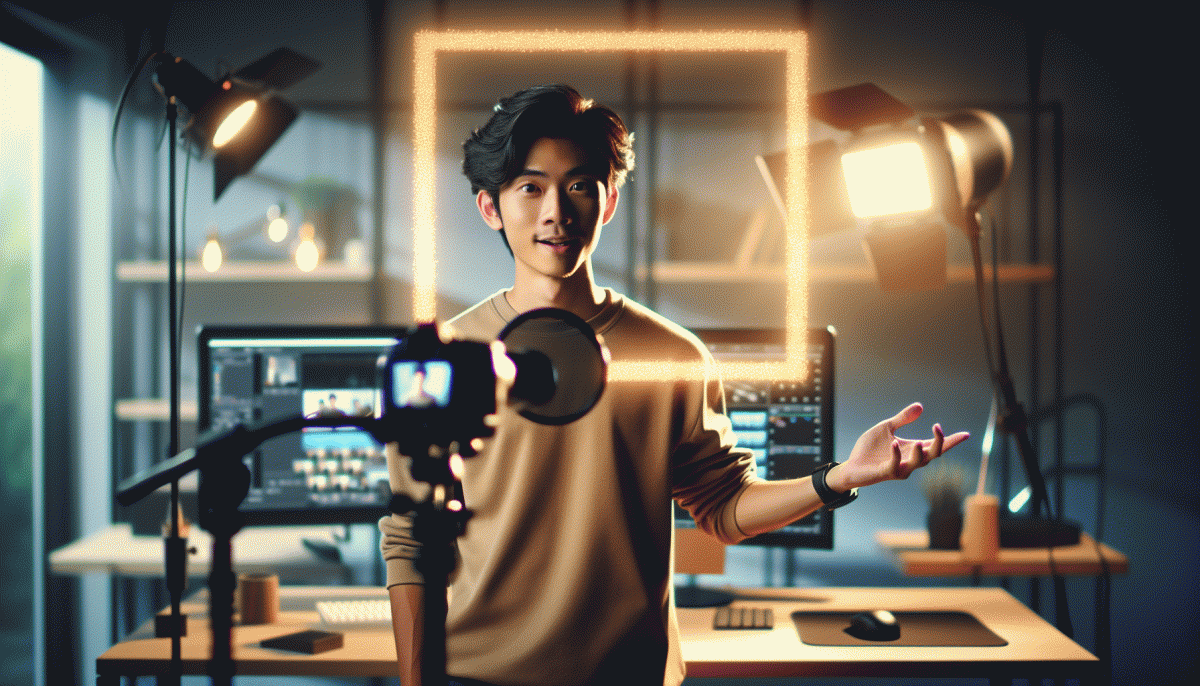
The One Thing That Blows Up Clicks on YouTube (You’ll Kick Yourself for Ignoring It)
Why Thumbnails Beat Algorithms Every. Single. Time.
People decide in a blink which video to open, and that blink is owned by the thumbnail. Algorithms can surface your content, but they cannot rescue a thumbnail that reads like a blurry postcard. A clean face, a punchy color contrast, and one big readable word beat algorithmic boosts because they trigger curiosity and emotion before the play button even warms up.
Think of the thumbnail as the shop window and the algorithm as the street it sits on. Optimize the window and more people will stop to look, which then feeds the algorithm the engagement signals it loves. If you need templates or a fast way to test dozens of designs, try a reliable smm provider to scale previews and gather real data instead of guessing.
- Composition: Lead with a face or a clear subject, keep negative space so the eye rests on the focal point.
- Contrast: Use bold colors and shadows so the thumbnail pops at 10% on mobile feeds.
- Text: One short word, large font, high contrast; use emotion not explanation.
Run simple A/B tests: swap color, swap text, measure CTR. Treat thumbnails like experiments, not art projects. When you stop guessing and start testing, clicks climb fast — and the algorithm will happily follow.
The 3-Second ‘Scroll-Stopper’ Formula You Can Steal Today
On YouTube the difference between a scroll and a click is measured in heartbeats and milliseconds. The secret that actually moves the needle is not longer video scripts or fancy cameras; it is the tiny, electric moment in the first three seconds that makes someone stop mid-scroll. Treat those three seconds like prime real estate and you will start to see clicks behave like they have a mind of their own.
The 3-second formula is absurdly simple and immediately actionable: a startling visual, a one-line title promise, and an instant emotional hook. Each part must shout a single idea so the brain can process it before it scrolls past. Here is a compact checklist you can steal and apply to your next thumbnail and opening frame.
- Visual: Use big contrast and a single focal object — a face, an object, or an extreme crop. No clutter. Colors that pop and decisive composition win.
- Title: Two to five words that promise an outcome or spark curiosity. Put the benefit, not the background story.
- Hook: First-frame audio or text that creates a tiny surprise or tension: a number, a problem, or a bold claim to be resolved in the video.
Do the quick plays: test a face vs. product close-up, swap red for teal, try a 3-word title and pair it with a one-sentence opening line that raises a question. Track CTR, iterate, and treat the three seconds like a lab. When you win that moment, YouTube will start doing the heavy lifting and your clicks will follow.
Color, Contrast, Face: The Click Magnet Trifecta
Think of thumbnails as tiny billboards in a scrolling blur. A saturated splash of color grabs the eye, contrast carves out the subject, and a clear human face provides the emotional hook that turns a glance into a click. When those three elements cooperate, viewers don't have to think — they just tap.
Color-wise, commit to one dominant hue and one accent. Warm tones speed attention; cool tones calm it. Pair opposites like teal/orange or purple/yellow so your subject jumps forward. Avoid washed-out gradients and busy patterns that collapse at mobile size — bold, flat shapes and a single bright accent read best.
For contrast, prioritize value separation: bright foreground, darker background, and a protective stroke or subtle drop shadow to prevent compression blur. Keep text heavy, spacing generous, and margins tight so each element remains readable at thumbnail scale. Little tweaks in contrast often outperform fancy graphics.
Faces sell. Zoom in on eyes and mouth, choose an expressive pose, and emphasize gaze or raised brows to tell a micro-story. Final sanity check: shrink the image to phone width — if it still reads, you're done. Quick checklist: Pop color, High contrast, Human face.
Write Titles That Tease, Not Please (Without Being Clickbait-y)
Think of a title as a tiny promise plus a tiny mystery: it tells viewers what they get and why they should click now. The sweet spot is teasing an outcome without solving the puzzle in the headline — curiosity that compels, not trickery that backfires. That balance is what actually moves CTR.
Use an open loop tied to a concrete result. For example, instead of 'My Editing Tips,' try 'Edit 3x Faster Without Losing Quality' — you promise a measurable benefit and leave the 'how' as the magnet. Keep the claim believable; if it sounds too good to be true, viewers will skip or rage-quit.
Proven headline formulas: Result + Timeframe: 'Double Views in 7 Days'; Problem + Fix: 'Why Your Videos Stall (Do This One Thing)'; Number + Benefit: '5 Tiny Tweaks That Boost Retention'. Swap the numbers, specific nouns, or the verb to fit your niche and voice. Honesty preserves your watch time, which is the currency behind clicks.
SEO and audience signals matter: front-load the primary keyword, add an audience tag like 'for Beginners' or 'for Creators,' and aim for roughly 50–65 characters so the main idea shows on mobile. Avoid empty superlatives and clickbait hooks like 'You won't believe' unless the content legitimately delivers the surprise.
Pair title and thumbnail like a duet: let the image show the emotion or result and let the title explain the reason to click. Don't repeat the exact words; use the title to complete the thumbnail's tease. Prefer active verbs, one concrete number, and a single emotional cue instead of piling on adjectives.
Fast experiment plan: write three titles, change only one word per variant, run a 48–72 hour test with YouTube experiments or your tool of choice, and keep the winner. If CTR is low, tweak the first three words; if retention drops, dial back any overpromise. Small headline wins compound into big channel growth.
A/B Test Like a Mad Scientist: Tools, Timelines, Wins
Think like a lunatic scientist and treat thumbnails, titles and first-10-seconds like volatile chemicals: change one thing, watch the reaction, and record everything. The goal isn't vanity metrics — it's a clear lift in click rate that actually translates into watch time. Start small: swap two thumbnails or two headline variants and keep everything else identical so traffic sources and timing don't skew the result.
Tools make the madness manageable. Use YouTube Studio's experiments if you have access, run TubeBuddy's A/B test for automated comparisons, and pair those with VidIQ for heatmap and audience insights. When you can't run a formal split, do controlled manual swaps at matched times of day and compare like-for-like windows. Always log impressions, CTR, average view duration and retention at the 30s and 1-minute marks.
If the hard part is getting enough sample size quickly, consider a smart nudge to accelerate learnings — for example, a targeted promotion such as Twitch profile boost can help funnel test traffic so you reach significance sooner without waiting months for organic volume.
Timelines: for high-traffic videos 7–10 days can reveal a winner; for low-traffic channels expect 2–4 weeks. A true win is not just higher CTR but sustained watch time and better subscriber conversion. When a variant wins, scale it: update cards, repurpose the thumbnail for related videos, and bake the learnings into your next batch of thumbnails so the next experiment starts from a smarter baseline.
Read also
The One Thing That Drives Clicks on YouTube (You're Probably Ignoring It)

The One Thing That Drives Clicks on YouTube (Spoiler: It's Not Your Video)

The One Thing That Drives Clicks on LinkedIn (You're Probably Ignoring It)

The One Thing That Drives Clicks on YouTube (No, Not the Algorithm)

The One Thing That Drives Clicks on LinkedIn (And You're Probably Ignoring It)