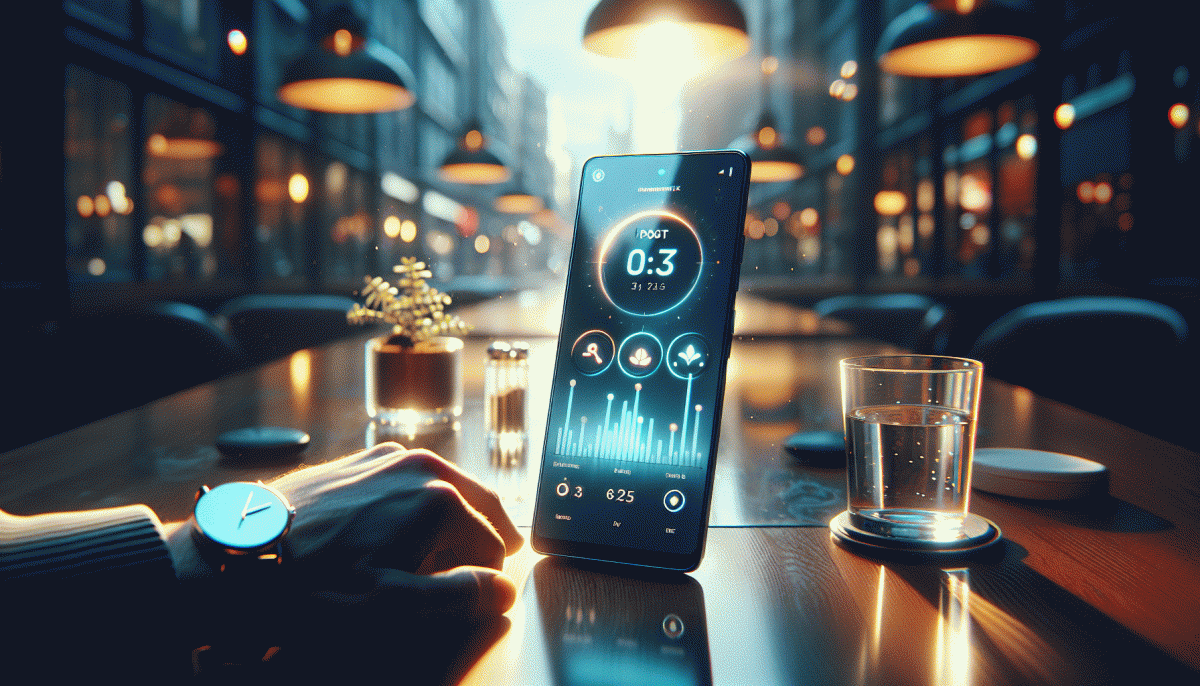
The Crazy-Simple Timing Trick That Skyrockets Your Instagram Reach
Why 8:37 PM Beats "Anytime": What the Algorithm Really Sees
Think of the Instagram algorithm as a picky DJ: it promotes tracks that make the room dance right away. Hitting a precise micro-peak like 8:37 PM creates a concentrated burst of activity — folks finishing dinner, checking their phones, and not yet buried in late-night scrolling. That reliable little spike sends a strong signal that your post is engaging during the platform's golden early window, which multiplies reach.
Under the hood, feed ranking leans on velocity (likes/comments per minute), recency, and meaningful interactions. If a post gathers genuine taps in the first 10–15 minutes it's far more likely to be surfaced to wider audiences. 8:37 PM often sits inside a universal engagement pocket where notification batching is lighter, Stories/Reels haven't fully overwhelmed feeds, and attention is concentrated — a clean environment for that early velocity to register.
Make it actionable: schedule the post for 8:37 (the specific minute matters), write an opener that invites a quick tap or reply, and line up two superfans or teammates to engage immediately. Pin a clarifying first comment, drop a Story 5–7 minutes beforehand to nudge habitual viewers, and resist cross-posting the exact same content across platforms at the same second. Measure the first 15-minute performance and iterate across a week to confirm the pattern.
This isn't superstition, it's attention engineering. Treat 8:37 PM as a testable hypothesis that creates tidy early momentum the algorithm rewards. Try it for one content pillar, track saves, shares and reach, then tweak by time zone or audience subgroup. Small timing precision plus consistent value often yields outsized growth with surprisingly little extra effort.
Your Audience's Clock > Your Calendar: Find Their Peak Minutes
Timing is not about matching a time on your calendar, it is about catching the tiny window when your people are active, scrolling, and ready to tap. Those peak minutes are like a stage cue: a post dropped at the exact second can ride the initial engagement surge and amplify into the algorithm spotlight. Think precision over frequency; a few well-timed minutes beat a dozen random drops.
Start with a simple mapping routine: collect Insights for a week, then treat each day as a fingerprint of active minutes. Run micro tests across the busiest two hours by posting every 15 minutes and measuring which 10-minute slots pull the highest early engagement. Repeat and refine until a pattern emerges. Try these quick experiments:
- Test: Post at 0, 15, 30, 45 minutes for three days to map immediate spikes.
- ⚙️ Iterate: Shift winners by 5 minutes to find sub‑windows where views double.
- Scale: Batch content for top minute blocks and amplify with Stories and first‑hour engagement.
Execution is surgical: schedule for the exact minute, prime your audience with a Story 5 minutes earlier, and be present to like and reply in the first 10 minutes. The algorithm rewards rapid interaction, so those initial responses turn a small peak into sustained reach. Commit to a 7‑day micro experiment, follow the data, and let your audience clock take over your calendar. The payoff is a cleaner content calendar and a real bump in reach that feels almost accidental.
Weekdays vs Weekends: The Surprising Winner for Engagement
Most creators assume weekends are the engagement jackpot, but the smarter play is to meet attention where it actually lives: short, focused weekday windows. During commutes, lunch breaks and the midafternoon lull people are scrolling with intent, ready to double tap or save if you hit the right rhythm. Treat weekends like bonus space for longform stories and reels that reward leisurely browsing.
Here is a simple rule to run in AB tests this week — small bets, big payoff. Try posting one piece on Tuesday morning, one on Thursday afternoon, and one on Saturday night. Compare saves, shares and replies to see where engagement quality peaks. Use this quick checklist when you experiment:
- Midweek: Aim for 9 AM to 11 AM or 1 PM to 3 PM, when attention is steady.
- Weekend: Use relaxed formats like long reels and carousels for passive scrolling.
- Hook: Lead with a problem or punchline in the first 2 seconds to force a stop.
If you want to amplify the winner fast, consider targeted boosts that push your best weekday posts to more feeds — for example buy Instagram reach cheap to scale what works. Then double down: repeat formats that get saves and comments, and shift posting cadence toward the times that actually spark conversation.
Reels, Stories, Posts: Different Formats, Different Prime Times
Think of each format as a different party: Reels are the dance floor, Stories are the cozy sofa, and Posts are the gallery wall. That means prime time is not one-size-fits-all. Knowing where your followers hang out during the day lets you schedule like a social ninja and multiply reach without creating more content.
Reels win when people have time to lean in: early morning commutes (07:00–09:00), lunch breaks (12:00–14:00), and evenings (18:00–22:00). Weekend afternoons also spike. Hook viewers in the first 2–3 seconds, use trending audio, and post when your core audience is active. Early engagement signals Instagram to push your Reel farther, which creates a real reach multiplier.
Stories are snackable and frequent. Drop them into morning routines, mid-day breaks, and late-afternoon lulls; viewers tap through fast, so mix quick updates, polls, and behind-the-scenes clips. Use Highlights to extend life, add captions for sound-off viewers, and avoid posting ten identical frames in a row — variety keeps taps coming.
Static posts and carousels crave deliberate timing: weekdays at lunch and weekday evenings usually outperform late-night drops. Aim for save-worthy value — tips, checklists, and step-by-step carousels — and pair with captions that invite a save or comment. For tools that help you schedule and test timing, check fast and safe social media growth.
Treat timing like a science experiment: test three slots per format for 21 days, track reach and retention metrics, then double down on winners. Batch-create content, reuse winning hooks across formats, and let data rather than guesswork dictate your clock. Small timing tweaks often yield the biggest lift.
Set It, Test It, Nail It: Automation and A/B Timing Without the Guesswork
Think of timing like seasoning: a well placed pinch can turn a forgettable post into a thumbstop moment. Stop firing content into the void and start running tiny, repeatable experiments that reveal when your people actually show up and react.
Run clean A/B windows: post the same creative at two different times for a week, then compare reach, saves, shares, and replies — not just likes. Track impressions per minute and engagement latency so you can see whether your audience is early-morning skimmers or late-night chatters.
Automation is the secret sauce. Use a scheduler to queue both variants, rotate captions and thumbnails, and collect results without babysitting. If you want a quick baseline boost while you test timing, try get Twitter followers instantly and let field-tested lift raise your floor as you fine tune posting windows.
When a window wins, double down: batch content for those minutes, lock in templates that perform, and re-run micro A/Bs monthly. Small, consistent experiments compound way faster than sporadic hunches, and automation keeps the whole process delightfully low effort.
Read also

Stop Guessing: The Instagram Posting Times That Explode Your Reach

Stop Guessing: The Posting Timing on Instagram That Triggers Explosive Reach

What the Instagram Algorithm Really Wants From You (So Your Reach Finally Blows Up)

The One Posting Timing Secret on Instagram You're Probably Ignoring (And It's Costing You Reach)

Stories vs Reels vs Shorts on Instagram: The One Move That Explodes Reach
