
Stop Going Live on Instagram the Hard Way: Steal These No-Cringe Pro Moves
Hit Go Live With a Game Plan: Formats That Never Flop
Stop improvising and pick a format before you hit that red button. Decide on one clear outcome — teach, sell, entertain, or build community — then map a simple run of show: quick hook, two main segments, live interaction, and a tight CTA. A format is not a script, it is a scaffold that keeps energy high and cringe low.
For teaching and demos, structure around a tiny promise: what participants will learn in the next 10 minutes. Break the lesson into three visible steps, show each step live, then do a 60–90 second recap. Use captions, on-screen callouts, and a “try this now” moment to make viewers feel like they achieved something before the stream ends.
AMAs and interviews win when the host prepares a short pregame and a fast funnel for audience questions. Open with two prepped talking points to avoid dead air, alternate between guest answers and one audience question every 5 minutes, and close with a rapid-fire takeaway segment that distills the best lines into shareable soundbites.
If reach is the goal, plan promotion like a mini campaign: teaser clips, a scheduled reminder, and one strategic crosspost. For a quick growth nudge consider services that jumpstart visibility with targeted placement, for example cheap YouTube boosting service, then focus your live content on retention so new viewers stick around.
Finish every live with three actionable next steps for the audience, one memorable line to repeat, and an edit plan for repurposing. Do that consistently and your streams stop feeling scary and start feeling like a reliable traffic engine.
Look and Sound Pro: A 90-Second Setup for Lighting, Audio, and Angles
No time for gear drama? This 90 second routine fixes the three obvious things viewers notice first, so your stream feels polished without extra equipment or sweat. Treat these steps like a preflight check: run them fast, then go live with confidence.
Start with light because it sets mood and skin tone. Face a big window or a soft lamp, keep the main source about 45 degrees above eye line, and use a white wall or poster as a bounce to cut harsh shadows. If sunlight is too contrasty, diffuse with a thin cloth or move a few feet into shade for even, flattering illumination.
Next, make audio boringly good. Clip a cheap lapel mic near your collar or put the phone close to your face and use earbuds. Kill app notifications, close noisy tabs, and do a five second playback test: speak two lines and listen back. If the room rings, shift into a smaller, furnished corner or hang a blanket behind you to tame echo.
- Light: Face soft light, use bounce, avoid backlight.
- Audio: Mic near collar, mute alerts, quick playback check.
- Angle: Eye level, slight three quarter turn, leave headroom.
Set a 90 second timer, run the flow twice, and keep these three checks on a sticky note beside the camera. The tiny ritual makes you look intentional, saves improvisation panic, and lets your personality, not tech problems, take center stage.
Ban Awkward Silences: Openers, Hooks, and Transitions That Keep Energy High
Start with a micro-commitment: a tiny task that costs viewers nothing but gives you instant momentum. Try a one-line promise ("I'll show you how to get one extra DM a day") or a tiny bet ("If this tip helps, type '?' in chat"). Those two things banish the silence because people reflexively respond — and a moving chat gives you the energy to keep talking.
Use a timed hook to stretch attention: announce a payoff at a timestamp ("Stick around until minute 7 for a free template") or run a mini-countdown ("3 quick tools in 90 seconds — go!"). Back your hook with a visible signal — hold up a prop, drop a caption, or pin a starter question — and the visual cue pulls people in when words alone don't.
Transition like a pro with a simple three-part formula: acknowledge ("Love that question!"), preview ("Next, I'll show a hack that saves 10 minutes"), deliver. Drop a micro-task between beats — ask viewers to comment one word — and you'll convert silence into tiny commitments. If you want to shortcut discovery and boost the audience you start those micro-conversations with, buy followers as a pragmatic growth lever.
Quick 4-step opener to rehearse: Greet fast, Promise a clear payoff, Hook with a tiny task, Transition with the acknowledge-preview-deliver loop. Practice that 15-second sequence until it's muscle memory — it replaces awkward gaps with forward motion and gives your live the confident rhythm of a pro.
Own the Chat, Not the Trolls: Prompts, Pinning, and On-the-Fly Moderation
Treat your live chat like a curated room, not a free-for-all. Open with a one-line guide that sets the vibe, gives a simple way to jump in, and promises value for good questions. Seed the first minute with friendly replies to encourage replies, and use humor or a wildcard fact to break the ice so people want to stay and add to the conversation.
Use concise, repeatable prompts and a pinned comment to keep participants focused. Pin the rules and the first prompt so every latecomer sees them instantly. Try this pocket toolkit:
- Prompt: Start with "Where are you watching from and one emoji to describe your day?" — then answer the first three replies to model engagement.
- Pin: Pin a one-sentence guide: "Ask, react, repeat — no hate allowed. Questions get priority." Change it midstream when you move topics.
- ⚙️ Rules: Short moderation rules: no slurs, no spam, or you will be removed. State consequences so moderation is not a surprise.
When a troll appears, move fast: hide or remove the comment, restrict the user for a trial period, and drop a canned response that redirects attention to the main topic. Assign one person to moderate and one to engage — one shields, the other fuels conversation. Practice a 30-second script for common scenarios and keep three canned replies ready in Notes so you can paste without thinking. The goal is to make positive participation effortless and make negativity feel like a bad idea.
Turn One Live Into Weeks of Content: Clipping, Captions, and Smart Repurposing
Treat every live as a content goldmine rather than a one-off event. Before you stop streaming, mark timestamps for the top moments: punchlines, aha moments, short tutorials, and great audience replies. Give yourself a clipping brief — five 15–60 second highlight clips that each solve one problem or spark one emotion — and you already have a mini-series.
When clipping, lead with the hook. First 3 seconds decide whether viewers stay. Crop vertically for Reels and TikTok, keep a version for landscape, and export clean audio files for podcasts and audiograms. Caption each clip, add a blunt CTA at the end, and batch export sizes so you can upload multiple formats without reediting later.
Turn spoken lines into text assets. Run a quick transcription, tidy it, and pull quotable sentences for caption cards and carousel slides. Use subtitle files for accessibility and for auto-caption features. Transform Q&A segments into FAQ posts, and stitch clips into a longer tutorial or teaser for your newsletter — repurposing multiplies reach with almost zero extra energy.
Schedule like a hacker: two clips one week, an evergreen carousel the next, stories with behind the scenes every day, and one longform version monthly. Build a template sheet that maps timestamps to asset types so clipping becomes mechanical. Do this three times and you will stop treating live streams as pressure and start treating them as a sustainable content engine.
Read also
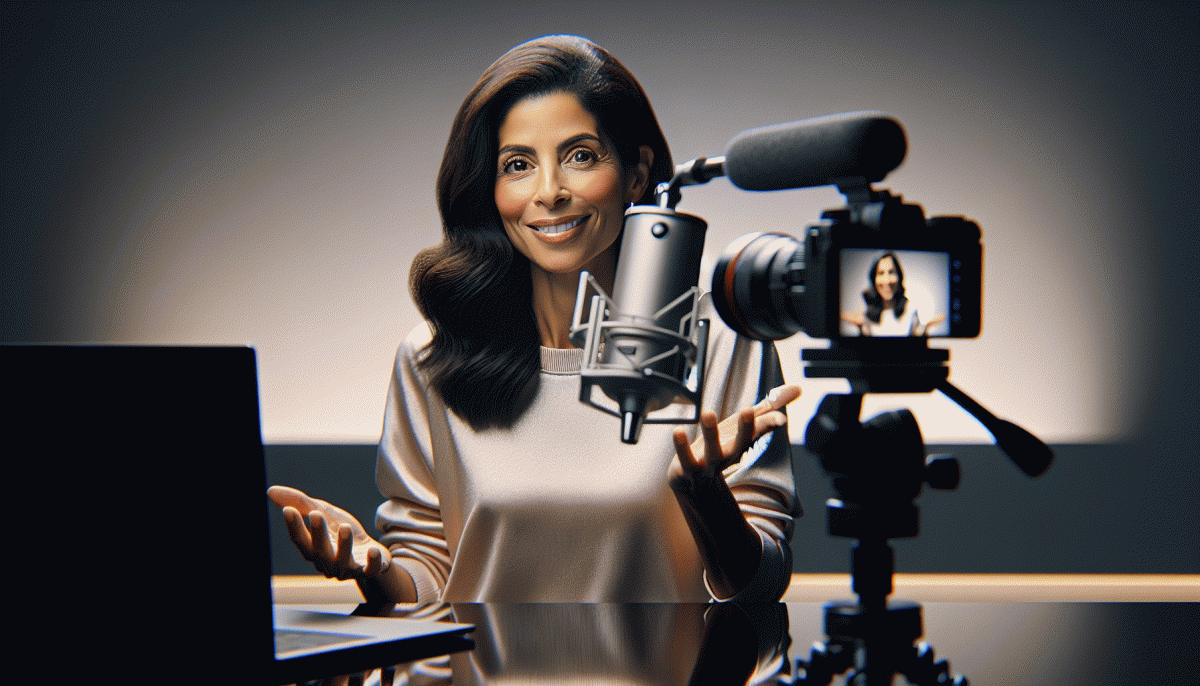
Go Live on Instagram Without the Cringe: Steal These Pro Tricks to Wow Viewers

Campaign Burnout? Steal These No Rebuild Moves to Wake Your Metrics Up
Still Crushing Instagram Without Ads? Steal These Organic Tactics

Instagram Live Without the Cringe: The Unfair Playbook They Don't Want You to Use

Steal These Instagram 2026 Secrets: What Works Now (and What to Ditch)