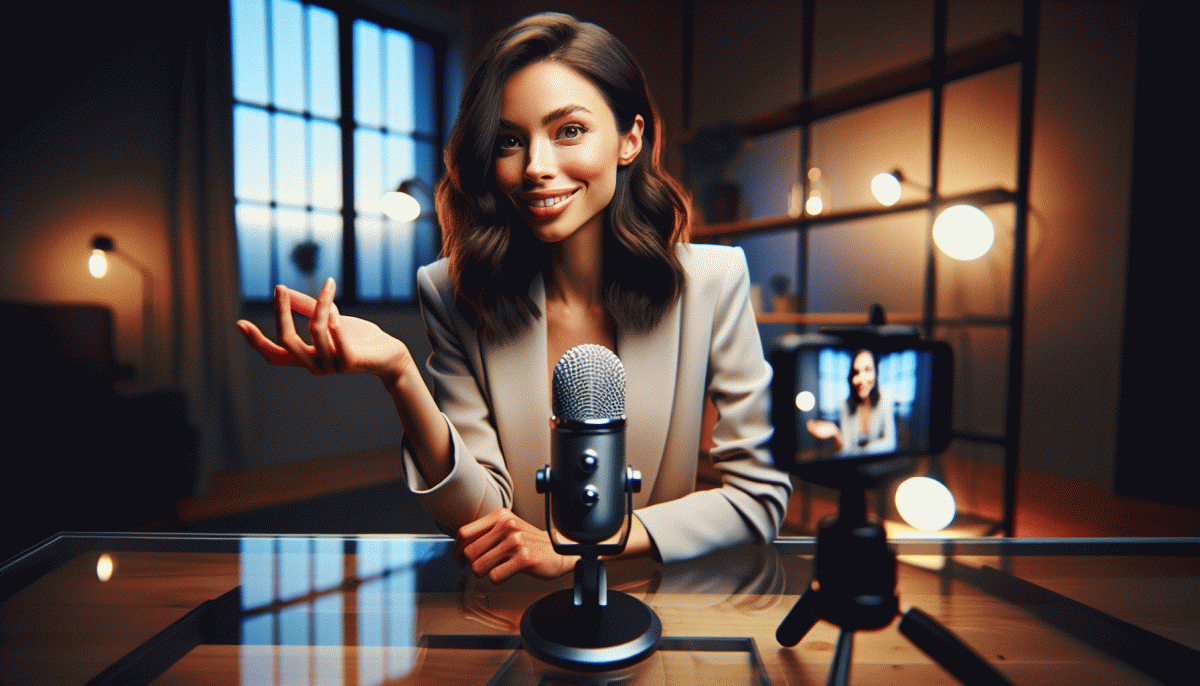
Stop Going Live Like a Rookie: Crush Instagram Live (Without the Cringe)
Pre game checklist: gear, framing, and a backup plan
Think of a Live as a tiny, high stakes production: the first 10 seconds set the vibe and the last 10 seconds decide if people stick around. A pre game checklist is not about being robotic; it is about creating space to be natural. Run the simple stuff before you go on air so energy and ideas, not technical panic, are what show up.
Gear matters, but it does not have to be expensive. Use a decent external mic or lav for clear sound, clean the lens on your phone or camera, and mount it at eye level on a stable tripod. Turn on Do Not Disturb, close background apps, and free up storage. Keep a power bank and spare cable nearby and do a 30 second audio and video test with your cohost or a friend before you hit the button.
Framing and stagecraft are the secret sauce: place your eyes about one third down from the top of the frame, leave a little headroom, and keep the background tidy. Use soft light facing you and avoid bright windows behind your head. Quick checklist to pin on the camera:
- ⚙️ Gear: Mic, charged device, tripod, cables checked and labeled.
- Framing: Eye level, rule of thirds, tidy background, soft front light.
- Backup: Spare device, hotspot ready, local recording enabled.
Plan for failure like a pro. If internet drops, switch to a recorded segment, invite a cohost to keep chat engaged, or move to a lower bitrate with a phone hotspot. Have a one paragraph script for restarts and a pinned comment that tells viewers what is happening. A calm, prepared host turns glitches into authenticity rather than cringe.
The first 60 seconds: hooks that stop the scroll
The clock starts the moment people tap in. Kill filler and small talk. Open with a micro promise, a mini surprise, or an immediate benefit that answers Why stay. Move from zero to value in ten seconds: smile, say the result, and flash one fast proof.
Scripts that cut through begin with a number, a pain point, or a curiosity gap. Stealables: Want to double your comments next week? Watch this one tweak. Or: I bombed my first 50 lives and the third habit fixed everything. Keep it short, specific, and rude to boredom.
- Teaser: Promise a free tip or reveal that arrives later in the stream to keep people waiting.
- Shock: Drop a quick stat or personal failure that creates disbelief and compels a reaction.
- Benefit: Tell viewers the exact result they can achieve in minutes or days if they stick around.
Delivery beats perfection. Camera at eye level, brighter light, and a small motion like a lean or quick zoom to reset attention. Caption the hook so muted scrollers still get it. Pin one clear call to action and repeat it after the first minute.
Practice a tight 60 second opener until it is muscle memory. Record, trim, and test which line keeps people. Swap boring openers for promises with proof and your retention will climb. Look calmer, hook harder, and watch the live room fill.
Make it cinematic: lighting, audio, and angles on a budget
Cinematic does not mean expensive. Use three simple lights: a bright lamp as your key, diffused with a white pillowcase to soften shadows; a reflector made from aluminum foil or a white poster board for fill; and a small desk lamp behind you as a hair light to separate subject from background. Position the key at 45 degrees off axis and about two feet up for flattering catchlights.
Audio kills more streams than poor lighting, so fix it first. Clip a cheap lavalier to the collar or plug in earbuds with a mic, and test levels before going live. If you do not have a mic, move closer to the phone and cut room echo with pillows or a blanket. Always mute noisy notifications and fans and run a quick recording to check clarity.
Angles create mood. Keep the camera at or slightly above eye level for flattering results and tilt down a few degrees instead of shooting up. Use the rule of thirds to avoid dead center faces, and experiment with small movements instead of heavy zoom. Stack books or use a cup as a tripod to get steady framing.
Background, color temperature, and depth sell the scene. Match bulbs so skin tones stay natural, add a rim light for separation, and put a soft light back there to give depth. If you want bokeh, increase distance between you and the background and use portrait mode or the telephoto lens when possible. Remove clutter so focus stays on you.
Before you go live, run a ten minute dress rehearsal to check battery, storage, framing, and audio; make a short checklist and stick to it. When you are ready to amplify reach try Instagram boosting service for quick visibility and then focus on delivering content that matches your new cinematic look.
Own the chat: engagement prompts, trolls, and dead air fixes
Think of the chat as your co-host: do not wait for it to speak. Start with three seeded prompts you will drop in the first five minutes—one opinion poll, one fill-in-the-blank, and one emoji reaction request. Pin one prompt so even latecomers know where to jump in and you get predictable momentum.
Keep prompts tiny and repeatable: ask viewers to share the best tip they learned this week, caption a quick image, or choose between two options by dropping an emoji. Use micro-tasks that take five seconds to answer; long answers kill flow. Call out names when someone gives a good reply to amplify engagement.
Trolls will test boundaries. Set a clear chat rule at the top and enforce it with calm humor first, then swift moderation. A witty one-liner can defuse, but have a moderator and canned timeout/ban messages ready so you never fumble enforcement live. If a troll persists, spotlight their behavior briefly and move on—attention is the real reward.
Dead air happens. Build a 10-minute backup bank: a two-minute demo, a quick FAQ read, a mini-game, a behind-the-scenes anecdote, and a fresh prompt. Rotate visuals and background audio between segments so there is always something happening while you recover your stride.
Quick recipe to own the chat: pre-schedule three prompts, pin one question, assign a moderator, and carry five standby segments. Do this and chat will feel less chaotic and more like a clubhouse that users want to hang out in. Go host like you mean it.
Sign off like a boss: CTA frameworks and post live follow ups
How you end a live shapes what people do next. Close like a boss by combining a quick recap, a clear next step, and a tiny urgency cue. A simple verbal formula works every time: Value → Action → Time. Say what they just learned, tell them exactly what to do, and give a reason to act now — three lines, zero cringe.
Use short, scripted CTAs so you do not fumble at the finish. Try: "If this helped, save this replay and DM me REPLAY"; "Want a worksheet? Link in bio, only 50 available"; "Vote now for next week by dropping a fire emoji in chat." These are templates you can record and rehearse so the sign-off becomes muscle memory, not improv anxiety.
Then follow up immediately. Clip the top 30 seconds, post it as a Reel, and pin a comment on the livestream with the replay link. Send a quick, personal DM to the top 5 engagers thanking them and asking one question — that sparks replies and builds relationships faster than a generic blast.
If you want to amplify the replay reach, a small, targeted boost can kickstart the algorithm — for example consider a safe micro-boost like buy Instagram views instantly today to get early momentum. Combine that with a story rundown and a saved highlight titled "Live Replay."
Finish every stream with a two-item checklist: one-line recap and one clear CTA, then publish a repurposed clip within 1 hour. Practice this sign-off three times before you go live and you will stop sounding like a rookie — you will sound inevitable.
Read also
Go Live on Instagram Without the Cringe: Steal These Pro Tricks to Wow Viewers

Instagram Live Without the Cringe: The Unfair Playbook They Don't Want You to Use

Go Live on Instagram Without Cringe: The Shockingly Simple Playbook
Live on Instagram Without Embarrassment: Pro Secrets That Actually Work
You’ve Been Doing Instagram Live Wrong—Do This Before You Hit ‘Start’