Steal This No-Cringe Playbook: Live Content Done Right on Instagram (Without Embarrassment)
Prep Like a Pro: The 15-Minute Run-of-Show That Saves You From Awkward Silences
Think of this 15 minute run of show as stage directions for one person and one phone. Start with a micro rehearsal and a technical check: camera angle, audio level, background, and battery. Block three minutes for setup before you go live so you can enter with confidence, not panic.
0:00–1:30: Hook and promise. Make the value clear and fast.
1:30–7:00: Core content. Deliver two concise points or a single demo with visual beats.
7:00–11:00: Engagement sprint. Ask a poll, read two comments, name a viewer.
11:00–13:30: Quick recap.
13:30–15:00: Call to action and graceful exit.
Prepare three transition lines and one canned silence filler, like a short anecdote or quick question to the chat. If tech fails, switch to Stories and tell viewers when you will be back. Use captions and a pinned comment with next steps so energy never drops and people know how to act.
Before each live, rehearse one time, load a screenshot of the run of show into phone notes, and set a visible timer. Save this template and reuse it until the flow feels natural. Small routines remove cringe. Be human, actionable, and leave viewers with a clear next step.
Hook in 10 Seconds: Openers That Stop the Scroll and Spike Live Viewers
The first three seconds decide whether someone leans in or swipes past. Start with a micro promise, a noisy visual, or an eyebrow raising fact that creates curiosity without cringe. Try lines like "I will fix this in 60 seconds", "This one trick cleaned up my feed", or "Stop scrolling if you want more DMs". Keep it specific, urgent, and slightly unexpected.
Use a tight formula: problem + tiny demo + payoff. For example: "Your caption is losing followers" then show one line fix then say "Do this and watch the count move". If you want safe quick wins and scalable boosts try Instagram boosting as an experiment rather than a promise.
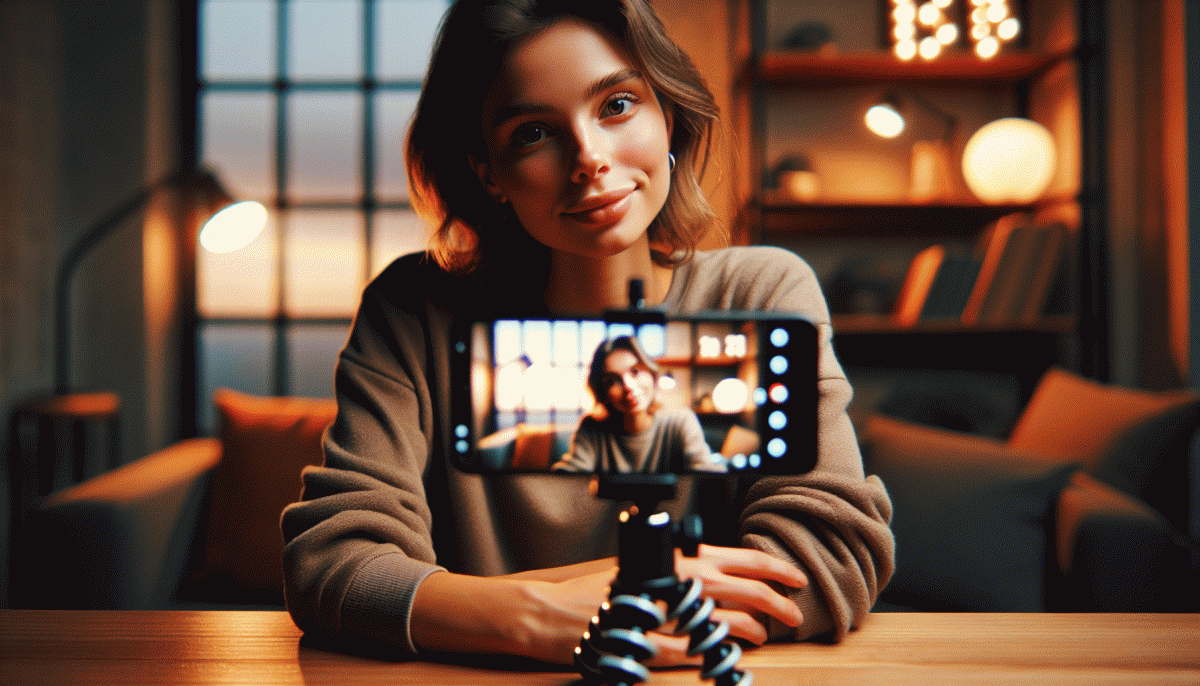
Deliver like a pro: camera at eye level, a three second smile or smirk, and immediate visual proof. Cut any filler at the top; silence is better than a rambling hello. Use hands, overlays, or a zoom to punctuate the reveal. Then give a micro call to action such as "Type 1 if you want the template" to turn passive viewers into engaged replies.
Practice three openers and rotate them across lives to measure spikes. Track live viewers at 10, 30, and 60 seconds to see which opener holds attention. If an opener fails, swap the promise or swap the visual, not the whole idea. Steal the structure, not the words, then iterate until your openings reliably stop the scroll without landing in the cringey zone.
Chat Like a Host, Not a Deer in Headlights: Easy Engagement Prompts
You do not need to be slick or scripted to run an Instagram live that feels like a hangout, not an interrogation. The trick is to use tiny, repeatable invitations that make people want to reply. Keep your voice warm, your pace human, and swap complex monologues for three-second nudges that draw someone into the conversation.
Here are three prompts you can drop in the first five minutes to warm the chat up and keep it alive:
- Warm-up: Ask viewers to caption a photo or scene in one word to break the ice and create instant participation.
- Choice: Give two options and ask people to type A or B so they feel involved and voting is effortless.
- Share: Invite one quick tip or a voteable opinion and promise to read two answers live to reward engagement.
Turn each prompt into a tiny script: say the purpose, give the cue, and then acknowledge answers by name. Pin a winning reply, repeat a favorite comment, and thank contributors with a short callout. Measure which prompt gets the most replies, iterate, and keep the energy playful so conversation becomes a habit, not a performance.
Tech That Won't Betray You: Bulletproof Audio, Lighting, and Backup Plans
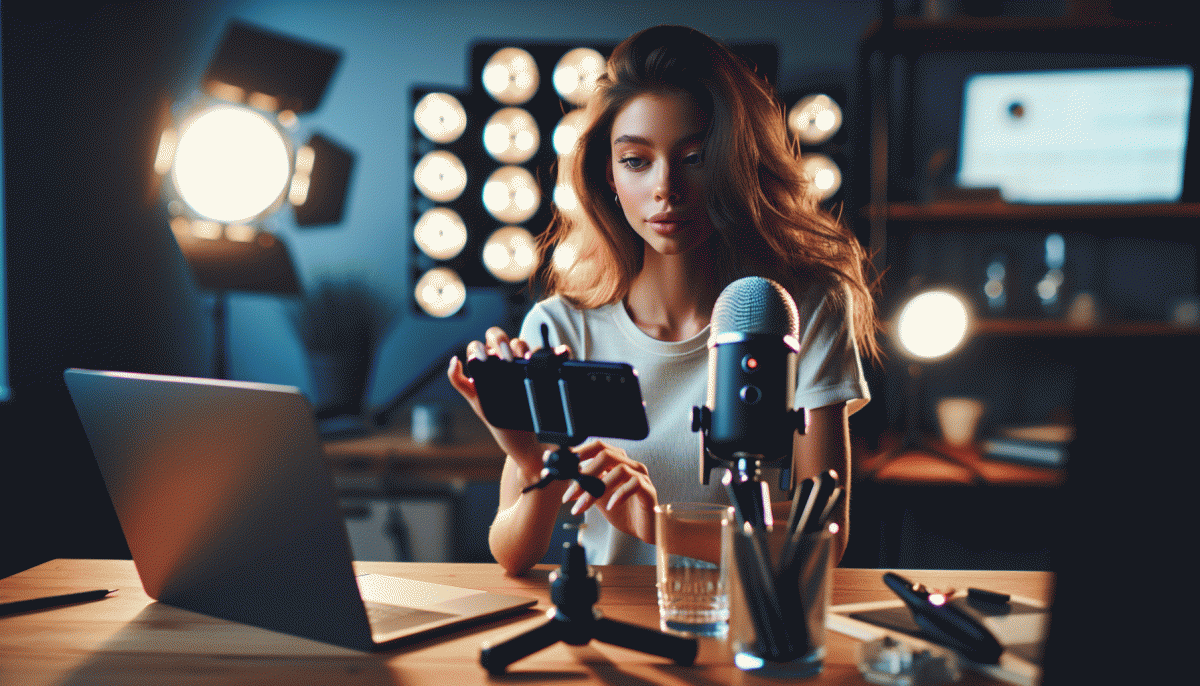
Think of your live setup as a personality: charming, dependable, and not likely to embarrass you in front of strangers. Start with sound, because if your viewers can't hear you, they're gone before your lighting even warms up. A USB condenser is fine for solo streams, but if your space has echo or street noise, a dynamic mic or a lavalier clipped close to your collar will save you. Always monitor on headphones so glitches don't surprise you on air.
Lighting shapes how real you look; bad light makes even great content feel amateur. Aim for a soft key light at 45 degrees, a subtle fill to soften shadows, and a hair/back light for separation. LED panels with adjustable color temperature let you match daylight or tungsten, and diffusion (softboxes or a simple cloth) keeps faces flattering. If you're on a budget, bounce light off a white surface rather than blasting harsh direct light.
Keep a bulletproof kit that survives chaos: mic, light, cables, and a redundancy plan. Pack small, fast swaps so you can fix on the fly.
- Mic: Prefer close-proximity dynamics or lavs for noisy spaces; USB for simplicity.
- Light: Portable LED panels with diffusion and adjustable K for consistent skin tones.
- Backup: Spare batteries, a local recorder, and a charged phone hotspot ready to piggyback your stream.
Label and stash spares so mid-show fixes don't look like an improv class.
Finally, rehearse a two-minute power outage drill: switch to backup power, flip to a local recording, or ask viewers for a mute-and-hold while you reboot. Make checklists — pre-show, mid-show, post-show — and run them like a pilot before takeoff. Do a quick sound/lighting test 10 minutes before every live, and you'll trade anxiety for polish without the cringe.
Turn Live into Sales: Repurpose, Clip, and CTA Your Way to ROI
Think of a live session like a backyard jam session: the full set is magic, but the earworm hooks are what people replay. Capture the full stream but also mark timestamps for standout moments—product demos, customer reactions, the one-liner that makes followers DM you. Export the raw file, then chop it into snackable pieces: a 15–30s reel for discovery, a 60s clip for a feed post, and 15s story tiles that tease the replay. Keep captions tight and write one clear micro-CTA per clip so viewers know the next tiny step.
Turn those clips into a distribution plan that actually sells. Trim a demo into a 20s “how it works” reel, create a 30s testimonial montage for ads, and make a 1-minute FAQ clip to pin as a highlight. Add product tags, an explicit line like ”Tap to shop”, and a single irresistible offer. If you need a hand scaling and scheduling these assets, consider a 'social media marketing agency' approach to batch production and placement—outsourcing the grind keeps your content fresh and your calendar sane.
Don’t be shy about follow-up funnels: use DM replies, link-in-bio landing pages, and story links to capture intent. Retarget live viewers with the highest-performing clip as an ad, or send exclusive discount codes to everyone who stayed past a certain minute. Test one CTA at a time (discount vs. urgency vs. free shipping) and measure the lift in click-throughs and conversions so your next live is smarter and more profitable.
Finally, make it repeatable: triage raw footage within 24 hours, batch edit into templates, schedule posts across 48–72 hours, and flag winners for ads. Track views, CTR, and actual sales per clip; then rinse and repeat. The secret isn’t theatrics—it’s a ruthless repurposing workflow that turns live energy into steady ROI without embarrassment.
Read also
Go Live on Instagram Without the Cringe: Steal These Pro Tricks to Wow Viewers

Instagram Live Without the Cringe: The Unfair Playbook They Don't Want You to Use
Go Live on Instagram Without Cringe: The Shockingly Simple Playbook
Live on Instagram Without Embarrassment: Pro Secrets That Actually Work

Steal This $5/Day Ad Playbook: Grow Fast Without Torching Your Budget