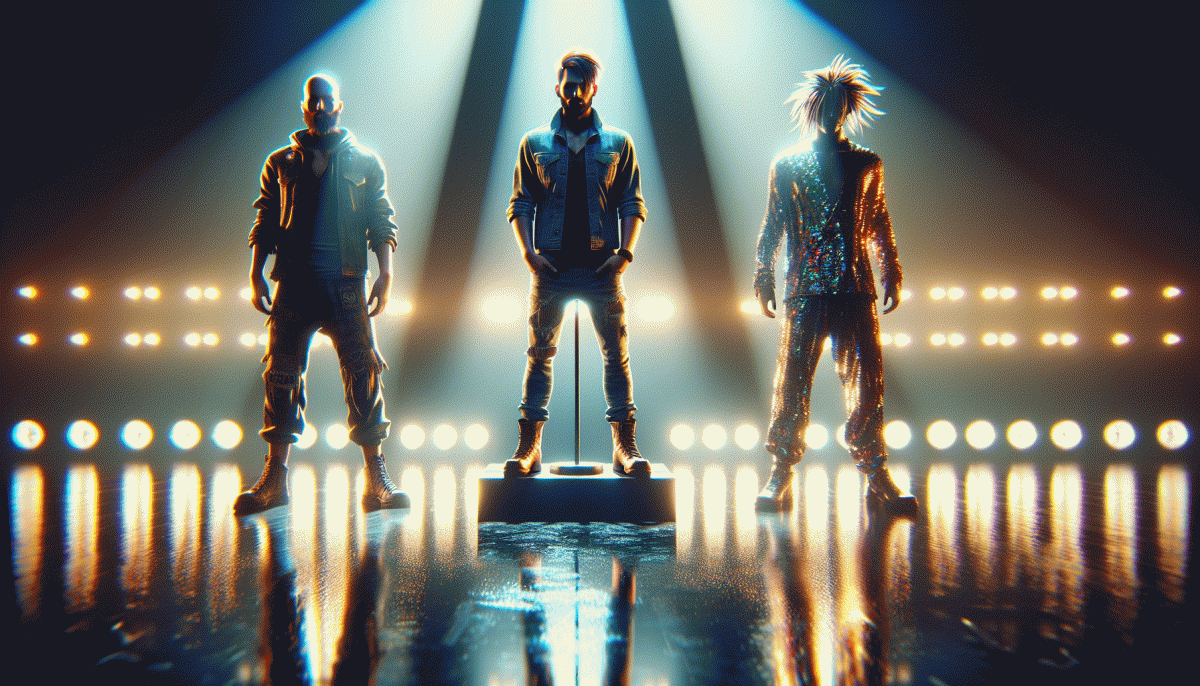
Raw vs Flashy vs Weird: We Ran the Showdown and the Winner Will Surprise You
Raw and real: the no filter route that builds instant trust
Showing the rough edges is a design choice. Unfiltered video, candid B‑roll, and captions that do not overclaim create a fast lane to credibility. When a brand looks like a person instead of a polished ad, audiences relax, relate, and stick around to see what comes next.
Make this practical: pick one daily micro story, film with minimal retakes, and reply to the first twenty comments to start a conversation. If reach is the bottleneck but you will not sacrifice honesty, amplify your best raw posts with cheap Facebook boosting service so real reactions get the spotlight instead of staged applause.
- Authenticity: Real flaws invite trust faster than flawless scripts.
- Speed: Raw formats are quicker to produce, letting you test ideas fast.
- Engagement: Unfiltered moments spark comments and shares because they feel personal.
Run a two week experiment, measure retention and message volume, then double down on the bits that earn genuine responses. Raw is not chaos; it is a repeatable playbook for building long term fans who believe in you.
Flashy and polished: cinematic sparkle with conversion caveats
Shiny production values are like cinematic glitter: they catch eyes, trigger double taps, and make your brand look expensive. Tight color grading, soundtrack cues, and that perpetually slow motion hair flip create an aura of authority and aspiration. That visual polish can lift perceived value fast, especially when your audience scrolls with one thumb and very little patience.
Here is the catch: sparkle does not automatically equal sales. Overproduced spots can feel staged, slow to load, and too diffuse for a fast conversion funnel. To avoid the trap, design your polished asset around a clear behavioral goal. Cut the opener to three seconds, bake the CTA into the visual narrative, and make sure captions and brand cues survive mute mode. Performance demands clarity as much as glamour.
Think like a scientist, not a stylist. Run simple A/B tests that keep the messaging constant and vary only production level. Measure attention time, clickthrough rate, and cost per conversion rather than vanity impressions. If the glossy cut costs more but reduces CPA, keep it. If it increases engagement but not purchases, dial back and remix: keep the texture, lose the fluff.
In practice, use high polish for launches, hero campaigns, and aspirational audiences; use stripped back, candid formats for direct response and cold traffic. The fastest wins come from mixing both: a cinematic hero to build desire and short raw clips to seal the deal. Test rapidly, iterate often, and treat cinematic sparkle as a conversion tool, not just decoration.
Delightfully weird: pattern breaking hooks that stop the scroll
The fastest way to arrest a thumb is to do the wrong thing on purpose: open with a line that feels like a mis‑sent DM, drop a surreal prop into a normal scene, or begin with a small contradiction. Those tiny expectation violations create cognitive friction that turns a reflexive scroll into a focused stare. Weird hooks are not chaos; they are engineered curiosity.
Make them repeatable. Run a three second audit and ask if the first frame communicates without sound. Replace the predictable verb in your opener with an odd action, add an impossible detail, or start with a tiny line that needs explaining. Try a micro story with three beats and no filler. Track watch through, saves, and replies, then double down on the element people rewind to decode.
Use simple formulas to avoid aimless weirdness.
Contradiction: "This ruined my morning and I loved it." Surreal specificity: "I own three chairs that complain at 2AM." Format judo: vertical video inside a square collage. Pair any line with a visual anchor that exaggerates the text. Keep tone conversational so strangeness feels human, not performative.
If the goal is reach as well as weird, run four small experiments a week and promote winners with a light budget. Small distribution nudges let pattern breakers find the audience that appreciates them. Ready to push the weird and get noticed? Try buy fast Instagram followers as a targeted boost, but keep iterating because virality rewards craft more than gimmicks.
When each wins: style by audience, channel, and funnel stage
Pick the right personality by aligning creative with who you want to move, where you will meet them, and what stage they are in. Raw wins when people need trust and context; flashy wins when attention and desire are the goal; weird wins when memorability and shareability matter. Think of this as a matchmaking exercise, not a beauty contest.
For audiences that care about authenticity and long term relationship—community members, skeptics, subscription customers—use raw. Best channels: Instagram Stories, Telegram groups, WhatsApp updates, and Twitter threads where candid voice reads as credibility. Funnel fit: top-to-mid funnel to build trust and fuel email or DM-based conversion. Action: show screwups, demos, founder notes.
When you need eyeballs fast or must sell with desire, choose flashy. Best channels: Instagram Reels, Facebook ads, Likee, and paid placements on Spotify that let high production values justify a premium. Funnel fit: top funnel to create demand and mid-funnel retargeting to nudge purchases. Action: invest in a hook, a loud visual, and a single bold CTA.
Weird is for tribes and virality: Gen Z, niche fandoms, creative communities on Behance, TenChat, Likee, and certain corners of Twitter. Funnel fit: pure awareness and shareability; weird makes your brand a conversation starter rather than a direct checkout prompt. Action: prototype absurd concepts and lean into timing and remix culture.
Practical plan: run three parallel experiments—raw for trust building with a signup goal, flashy for paid acquisition with a CPA target, weird for share growth and social lift. Measure by channel: engagement and saves for raw, CTR and conversions for flashy, shares and new followers for weird. Swap winners into your creative rotation and scale what moves the needle.
Steal this: a hybrid creative recipe you can test this week
Think of this as a kitchen-sink creative lab: grab the heart-on-sleeve honesty of raw, the high-polish dazzle of flashy, and the eyebrow-raising oddity of weird — then blend them in measured doses. The point isn't to confuse your audience, it's to create a texture they can't scroll past: human, cinematic, and slightly bewildering all at once.
Your week-long experiment is a three-act structure you can shoot in a single day. Act 1 (0–3s): raw hook — a candid line, breath, or mistake that says 'real'. Act 2 (4–25s): flashy middle — a bold color change, snappy graphic, or SFX bump to reward attention. Act 3 (last 2–5s): weird kicker — a tiny surreal twist, caption flip, or unexpected POV swap that makes people rewatch and share.
- Raw: Open with imperfection: shaky frame, laugh, or cold-take. Signals trust faster than scripted polish ever will.
- Flashy: Introduce one cinematic trick—color pop, speed ramp, or lens flare—right after the hook to lock eyes.
- Weird: End with a tiny illogical beat: a caption that contradicts the visuals, a prop that doesn't belong, or a vocal hiccup.
Run it as an A/B against a straight raw and a straight flashy version for 7–10 days. Track one primary KPI (views, CTR, saves), then iterate: swap music, tweak caption, or trim 0.5s from the hook. If the hybrid wins, double down with three follow-ups that keep the same opener and vary the middle/weird beats. Adjust per platform: thumbnails for long-form, captions for autoplay-first apps, vertical framing for mobile feeds. Report back — we love a good case study.
Read also

Raw, Flashy, or Weird? The One Style That Crushes Conversions Might Surprise You

Raw vs. Flashy vs. Weird: The Showdown Your Brand Didn’t Know It Needed
Raw vs. Flashy vs. Weird: We Ran the Showdown—Guess Which Style Actually Wins?

SEO in 2026: Dead or Dominating? The Answer Will Surprise You
Raw vs Flashy vs Weird: The Creative Cage Match No One Saw Coming